Category: Heel pain

  • Healthy Feet, Independent Life: Specialized Foot Care for Seniors in La Jolla

    Absolutely, Phil. Here’s the revised blog with the additional La Jolla independent living communities—Pacific Regent La Jolla, Atria La Jolla, and Bayshire Torrey Pines—included for a more comprehensive and locally targeted message:


    Title: 

    As we age, maintaining mobility becomes essential for independence, confidence, and quality of life. At Advanced Foot and Ankle Center of San Diego, we proudly offer expert foot and ankle care to seniors living in independent retirement communities throughout La Jolla, helping you stay on your feet—comfortably and safely.

    Whether you’re living at White Sands La Jolla, Casa de Mañana, Vi at La Jolla Village, Belmont Village Senior Living, Pacific Regent La Jolla, Atria La Jolla, or Bayshire Torrey Pines, our board-certified specialists are here to support your foot health with compassion, experience, and the most advanced treatment options available.


    Why Foot Care Matters More as We Age

    Our feet carry us for a lifetime, but over time, common conditions like arthritis, bunions, hammertoes, corns, calluses, neuropathy, and fungal infections can make walking painful and risky. Diabetes, circulatory issues, and balance changes further increase the chance of complications from untreated foot problems.

    Routine podiatric care can help prevent small issues from becoming serious mobility threats. That’s why our clinic emphasizes regular checkups, safe toenail trimming, skin care, and treatment of foot pain, all tailored to the unique needs of older adults.


    Services We Offer

    At the Advanced Foot and Ankle Center of San Diego, we provide a full spectrum of services, including:

    • Diabetic foot exams and wound prevention
    • Toenail care for thickened, fungal, or ingrown nails
    • Callus and corn management
    • Arthritis and joint pain treatment
    • Fall risk assessment and balance support
    • Custom orthotics and offloading shoes
    • Minimally invasive procedures when needed
    • Home care recommendations to keep you active and safe

    Our office is centrally located and easily accessible for La Jolla seniors. We’re also happy to coordinate with your primary care provider or family members to ensure continuity of care.


    Proudly Serving La Jolla’s Senior Communities

    We regularly care for patients from:

    • White Sands La Jolla – a premier oceanfront senior living community
    • Casa de Mañana – known for its charming historic setting and active lifestyle
    • Vi at La Jolla Village – luxury retirement living near UCSD
    • Belmont Village La Jolla – offering exceptional hospitality and care
    • Pacific Regent La Jolla – a vibrant high-rise independent living community
    • Atria La Jolla – known for its warm atmosphere and personalized care
    • Bayshire Torrey Pines – offering comfortable, supportive senior living in a serene setting

    If you live in any of these communities—or are a loved one helping someone who does—know that our practice welcomes new patients and offers individualized, respectful care that prioritizes comfort and safety.


    You Deserve Expert Foot Care

    Led by Dr. Philip Wrotslavsky, a double board-certified foot and ankle surgeon with advanced training in limb salvage and reconstruction, our team understands how to keep seniors active, independent, and pain-free. With over 20 years of experience caring for older adults, we recognize that good foot care is good health care.

    Don’t wait until pain or infection forces you to stop doing what you love. Contact Advanced Foot and Ankle Center of San Diego today to schedule an appointment and step into a more comfortable tomorrow.
     

  • Common Injuries in Young Dancers: Ballet & Rhythmic Gymnastics

    Common Injuries in Young Dancers: Ballet & Rhythmic Gymnastics

    Common Injuries in Young Dancers: Ballet & Rhythmic Gymnastics

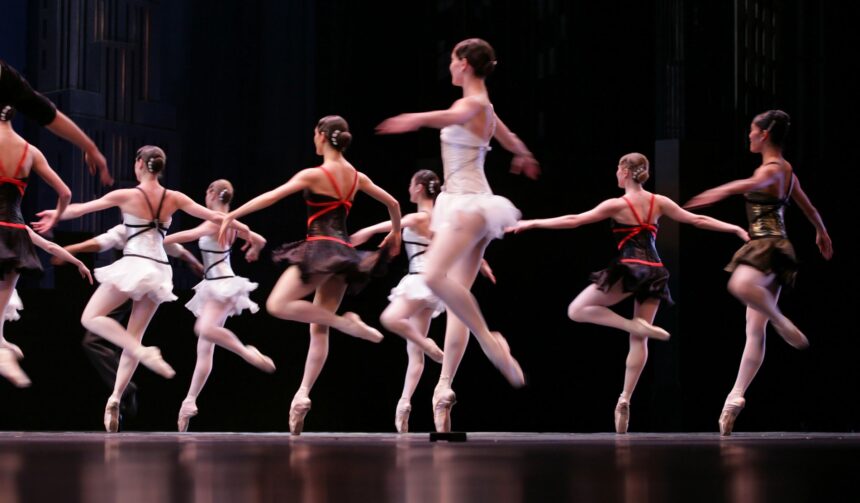
    With over 20 years of experience treating dancers, Dr Philip Wrotslavsky DPM FACFAS founder of the Advanced Foot and Ankle Center of San Diego understands the unique physical demands placed on young ballet dancers and rhythmic gymnasts. These athletes push their bodies to achieve extraordinary movements, often leading to overuse injuries if not properly managed.

    By focusing on accurate diagnosis, personalized treatment plans, and proactive injury prevention, Advanced Foot and Ankle Center of San Diego has successfully helped countless young dancers recover and return to performing at their best. Below are three of the most common injuries seen in young dancers, along with effective treatment and prevention strategies.

    1. Ankle Sprains and Instability

    Why It Happens

    Ankle sprains occur when the ligaments supporting the ankle are overstretched or torn. This frequently happens when a dancer lands incorrectly from a jump, rolls through an unstable pointe position, or missteps on demi-pointe. Recurrent sprains can lead to chronic instability, increasing the risk of long-term damage.

    Treatment & Prevention

    • Early Intervention – Immediate treatment reduces swelling and prevents further injury. Initial management includes immobilization, compression, and ice therapy.
    • Strength & Stability Training – Customized rehabilitation programs focus on strengthening the foot and ankle muscles to restore stability and prevent future injuries.
    • Proprioception Exercises – Balance and coordination drills, such as single-leg exercises and controlled landings, improve neuromuscular control and reduce the risk of re-injury.
    • Taping & Bracing – For dancers prone to recurrent sprains, temporary bracing or taping techniques may be recommended during performances or intense training periods.

    2. Stress Fractures

    Why It Happens

    Stress fractures are tiny cracks in the bone caused by repetitive impact and overuse. In dancers, they often occur in the metatarsals (foot bones) and tibia (shin bone). Overtraining, improper flooring, and nutritional deficiencies can contribute to the development of stress fractures.

    Treatment & Prevention

    • Accurate Diagnosis – Clinical assessment and imaging, such as X-rays or MRIs, are used to confirm stress fractures and determine their severity.
    • Activity Modification – While rest is crucial, maintaining strength through modified training is essential to avoid muscle atrophy.
    • Nutritional Guidance – Ensuring adequate calcium, vitamin D, and overall nutrition supports optimal bone health and prevents future fractures.
    • Gradual Return to Dance – A structured return-to-dance program focuses on progressive load-bearing activities to prevent re-injury and rebuild endurance.

    3. Achilles Tendinitis

    Why It Happens

    Achilles tendinitis results from repetitive strain on the Achilles tendon, often due to excessive pointe work, overuse, or improper biomechanics. Without proper treatment, the condition can progress to a chronic issue, leading to prolonged recovery times.

    Treatment & Prevention

    • Eccentric Strengthening – Heel-lowering exercises are incorporated to rebuild tendon strength while reducing inflammation.
    • Biomechanical Assessment & Correction – A thorough evaluation of technique, foot alignment, and muscle imbalances helps address movement patterns that may be overloading the tendon.
    • Soft Tissue Therapy – Manual therapy, massage, and modalities such as shockwave therapy can improve circulation and accelerate healing.
    • Gradual Load Progression – A structured rehabilitation program ensures a safe return to training, gradually reintroducing jumping and pointe work.

    Conclusion

    For over 20 years, Dr. Wrotslavsky has provided expert care for dancers, ensuring they receive specialized treatment tailored to their unique needs. By prioritizing proper technique, strength training, and early intervention, young dancers can minimize their risk of injury and continue to perform at their highest level.

    Pain should never be ignored. Addressing injuries early leads to better outcomes and a stronger, more resilient dancer. If heel pain, ankle instability, or tendon issues are affecting performance, seeking professional care can make all the difference in a dancer’s long-term health and success.

  • 3D Scanners and Custom Orthotics

    Traditionally custom orthotics were made using a plaster slipper cast technique. This involved using wet plaster to mold the shape of a person’s foot and then using the mold (slipper cast) to create a replica of the patient’s foot which was then used to make the orthotic. As time went on, the Foam Box technique became more popular which involved a practitioner positioning the foot in a particular way and then pushing the patient’s foot into a foam box which would create an imprint of the patient’s foot. Both techniques are used by orthotists and podiatrists today however, 3D scanning has started to become more and more popular.

    Benefits of 3D Scanning

    While 3D scanning and printing are newer technologies, further development has allowed it to become more widespread in the creation of orthotics. As this is a relatively new method, research is limited and there is no consensus when comparing the various methods. Anecdotally, 3D scanning is significantly quicker, more efficient, and less prone to error. The scans we take can capture the most subtle differences in the architecture of a patient’s foot down to the location of superficial veins on their feet. There is a significant decrease in delay in ordering the orthotics, and risk of misplacing an order or having it lost in transition is minimal. It is also more environmentally friendly as everything is digital which allows us to greatly reduces our carbon footprint. All while maintaining the same accurate measurements.

    Figure 1: A Feet Scan
    Figure 2: An Example of Custom Modified Orthotics Using our ARIZE 3D Scanner

    The Process:

    The ARIZE 3D Scanner allows us to take the most accurate digital scan of the feet and ankles and design your orthotics with you. With the accompanying program, we can add a myriad of customization options that will assist in compensating for deformities and relieving pain down to the millimeter and degree. During your visit we can show you what your orthotic device will look like and answer any questions you might have about what different additions will do for you. The scans are then sent to the manufacturer and your devices are 3D printed and delivered back to the office within 1-2 weeks.

    This has become a powerful tool in our practice that allows us to provide premium orthotics that greatly benefits our patients. Of course, orthotics are only good as the physical and biomechanical exam that precedes them. If you are having foot pain such as heel pain, arch pain , ankle sprains and pain in the ball of the foot that will benefit from orthotics, please don’t hesitate to make an appointment!


    Written by Dr. Gavin Tsuchida

    Dr. Tsuchida recently moved to San Diego from New York and is enjoying the beach and hiking when he’s not providing thoughtful, personalized care for his patients.

  • Achilles Insertional Tendonitis Retrocalcaneal Heel Spur

    Achilles Insertional Tendonitis Retrocalcaneal Heel Spur

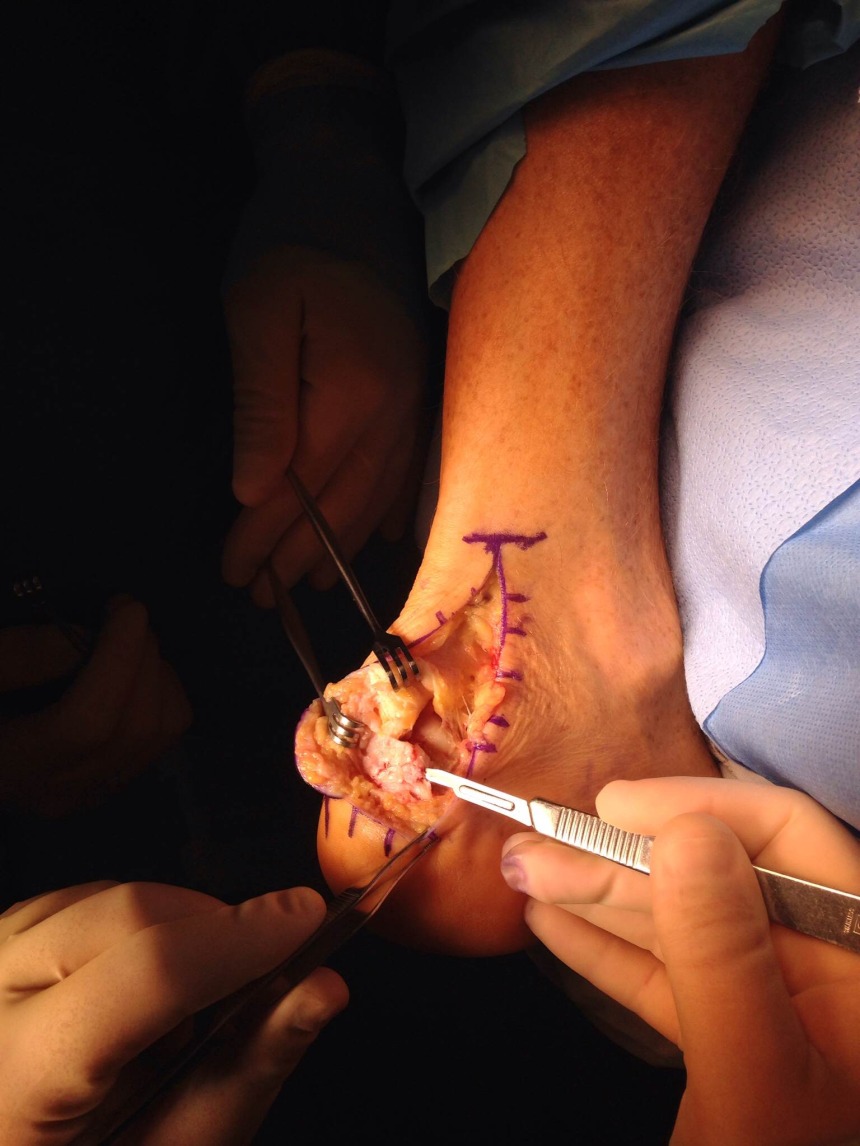
    Achilles Insertional Tendonitis Retrocalcaneal Heel Spur           Suffering with heel pain is not a way to live. Suffering with heel pain in the back of the heel that does not allow you to wear shoes with out the painful rubbing in the back of your shoe can be unbearable. The issue can present itself as a bump in the back of the heel that can feel like a burning sensation in the back of the heel. One may have a severe amount of pain when getting up in the morning. Your first steps can hurt a lot. X rays will confirm the presence of a spur in the back of the heel bone (otherwise known as the calcaneus). MRI will confirm if there are partial tears to the achilles tendon. There are meany treatments for this condition, it is referred to in the sports medicine field as Achilles insertional tendonitis with a  Retrocalcaneal Heel Spur. Physical therapy can sometimes be a help and is worth a try. Steroid injections can be helpful as well. The goal with those therapies is to reduce the inflammation. If there are tears or a spur and the physical therapy does not help then there is a great surgical option. I have a significant amount of experience in surgical care of this condition. Patients are very satisfied when they have the area repaired. As with any surgery one can give no guarantees of outcomes. However most of the time the patients are very satisfied . The video above shows the surgery being performed by Dr Philip Wrotslavsky director of the Advanced Foot And Ankle Center Of San Diego. You will see the heel spur being removed with the achilles being repaired.


    Achilles Insertional Tendonitis Retrocalcaneal Heel Spur

    Posterior heel spur

    Achilles Insertional Tendonitis Retrocalcaneal Heel Spur

    insertional Achilles tendonitis

    Achilles Insertional Tendonitis Retrocalcaneal Heel Spur

    heel spur