Category: Achilles

  • Restoring Mobility: Correcting Post-Stroke Ankle Contractures for Patients Who Want to Walk Again

    Restoring Mobility: Correcting Post-Stroke Ankle Contractures for Patients Who Want to Walk Again

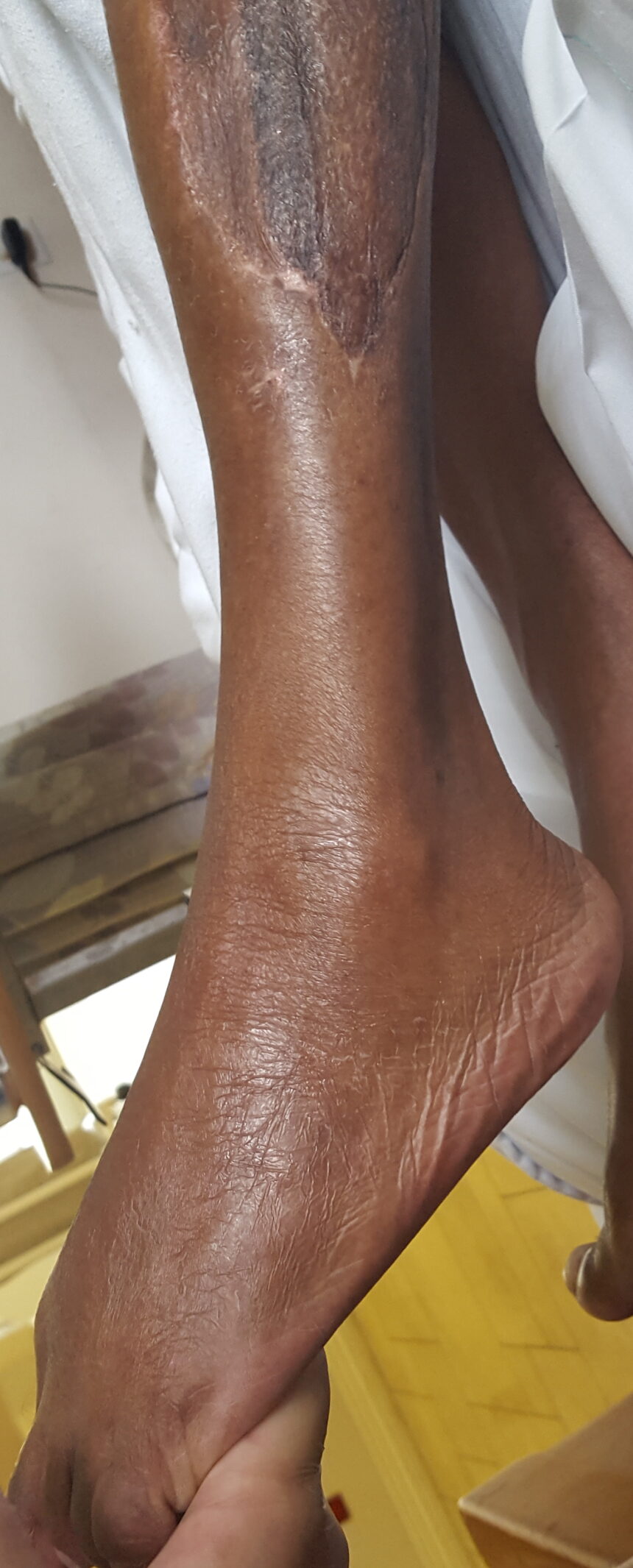
    For many post-stroke patients, regaining the ability to walk is one of their most important goals. However, severe ankle contractures—where the foot becomes stuck in a downward-pointing position (equinus deformity)—can make walking nearly impossible. This condition forces patients to walk on their toes, leads to instability, and in many cases, confines them to a wheelchair. Unfortunately, many are told that their only options are bracing, aggressive physical therapy, or even amputation.

    However, there is a highly specialized surgical approach that can gradually correct this deformity and restore the foot to a functional walking position. Dr. Philip Wrotslavsky, a  board-certified foot and ankle surgeon, is one of the very few specialists in the world that is performing gradual deformity correction for post-stroke ankle contractures. His advanced techniques have successfully helped patients regain their mobility and independence.

    Why Does the Ankle Become Contracted After a Stroke?

    After a stroke, many patients experience spasticity—a condition where muscles become excessively tight and difficult to stretch. Over time, the calf muscles and Achilles tendon tighten, pulling the foot into a downward position. This can make it nearly impossible to place the heel on the ground when walking, leading to:

    • Toe-walking or instability
    • Severe gait abnormalities
    • Painful pressure sores from bracing or improper foot positioning
    • Increased risk of falls and further injury
    • Loss of mobility and reliance on wheelchairs or walkers

      equinus ankle
      equinus ankle

    Advanced Surgical Correction: Gradual Deformity Correction

    Dr. Wrotslavsky specializes in gradual deformity correction, a highly advanced and precise technique that allows the contracted ankle to be straightened over time rather than through a single, high-risk surgery. This method has significant advantages over traditional procedures, such as tendon releases or aggressive Achilles lengthening, which often lead to incomplete correction, instability, or weakness.

    How Does Gradual Deformity Correction Work?

    1. Specialized External Fixation – A minimally invasive external fixator is applied to the lower leg and foot, allowing for controlled correction of the ankle position over time.
    2. Slow, Safe Adjustment – The device is gradually adjusted to stretch the tight muscles and soft tissues, repositioning the foot while preserving strength and function.
    3. Custom Rehabilitation Plan – Once the correction is achieved, a personalized rehabilitation program helps retrain the muscles and nerves for walking.

    Why Dr. Philip Wrotslavsky?

    Dr. Wrotslavsky is one of the very few surgeons in the world with the expertise to perform this complex correction. His extensive experience includes:

    • Board certification in foot and ankle surgery
    • Chief fellowship training at the prestigious International Center for Limb Lengthening, specializing in deformity correction and limb salvage
    • Over 18 years of private surgical practice and 24 years of operating room experience
    • Internationally recognized lecturer and author of peer-reviewed medical journal articles on deformity correction and limb salvage
    • Patients travel from across the country to seek his expertise in correcting post-stroke ankle contractures and restoring mobility

    Offering Hope to Those Who Want to Walk Again

    Many post-stroke patients have been told they have no options for walking again with a normal foot position. That is simply not true. With the right expertise and treatment approach, it is possible to straighten the foot and restore the ability to walk, as long as the patient is determined to walk again.

    At the Advanced Foot and Ankle Center of San Diego, Dr. Wrotslavsky provides second opinions to evaluate all possible treatment options—including solutions that many patients and even other doctors are unaware of.

    If you or a loved one is struggling with an ankle contracture after a stroke and wants to explore options for walking again, contact our office today to learn how Dr. Wrotslavsky’s expertise in gradual deformity correction can help.
  • Common Injuries in Young Dancers: Ballet & Rhythmic Gymnastics

    Common Injuries in Young Dancers: Ballet & Rhythmic Gymnastics

    Common Injuries in Young Dancers: Ballet & Rhythmic Gymnastics

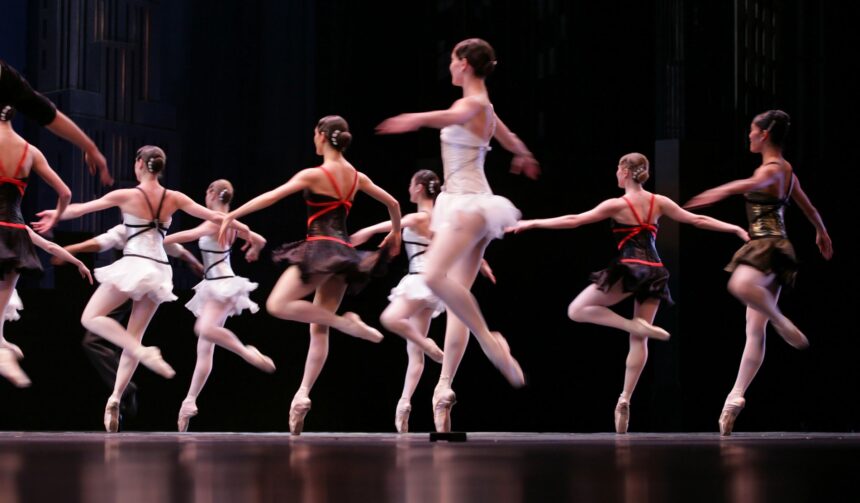
    With over 20 years of experience treating dancers, Dr Philip Wrotslavsky DPM FACFAS founder of the Advanced Foot and Ankle Center of San Diego understands the unique physical demands placed on young ballet dancers and rhythmic gymnasts. These athletes push their bodies to achieve extraordinary movements, often leading to overuse injuries if not properly managed.

    By focusing on accurate diagnosis, personalized treatment plans, and proactive injury prevention, Advanced Foot and Ankle Center of San Diego has successfully helped countless young dancers recover and return to performing at their best. Below are three of the most common injuries seen in young dancers, along with effective treatment and prevention strategies.

    1. Ankle Sprains and Instability

    Why It Happens

    Ankle sprains occur when the ligaments supporting the ankle are overstretched or torn. This frequently happens when a dancer lands incorrectly from a jump, rolls through an unstable pointe position, or missteps on demi-pointe. Recurrent sprains can lead to chronic instability, increasing the risk of long-term damage.

    Treatment & Prevention

    • Early Intervention – Immediate treatment reduces swelling and prevents further injury. Initial management includes immobilization, compression, and ice therapy.
    • Strength & Stability Training – Customized rehabilitation programs focus on strengthening the foot and ankle muscles to restore stability and prevent future injuries.
    • Proprioception Exercises – Balance and coordination drills, such as single-leg exercises and controlled landings, improve neuromuscular control and reduce the risk of re-injury.
    • Taping & Bracing – For dancers prone to recurrent sprains, temporary bracing or taping techniques may be recommended during performances or intense training periods.

    2. Stress Fractures

    Why It Happens

    Stress fractures are tiny cracks in the bone caused by repetitive impact and overuse. In dancers, they often occur in the metatarsals (foot bones) and tibia (shin bone). Overtraining, improper flooring, and nutritional deficiencies can contribute to the development of stress fractures.

    Treatment & Prevention

    • Accurate Diagnosis – Clinical assessment and imaging, such as X-rays or MRIs, are used to confirm stress fractures and determine their severity.
    • Activity Modification – While rest is crucial, maintaining strength through modified training is essential to avoid muscle atrophy.
    • Nutritional Guidance – Ensuring adequate calcium, vitamin D, and overall nutrition supports optimal bone health and prevents future fractures.
    • Gradual Return to Dance – A structured return-to-dance program focuses on progressive load-bearing activities to prevent re-injury and rebuild endurance.

    3. Achilles Tendinitis

    Why It Happens

    Achilles tendinitis results from repetitive strain on the Achilles tendon, often due to excessive pointe work, overuse, or improper biomechanics. Without proper treatment, the condition can progress to a chronic issue, leading to prolonged recovery times.

    Treatment & Prevention

    • Eccentric Strengthening – Heel-lowering exercises are incorporated to rebuild tendon strength while reducing inflammation.
    • Biomechanical Assessment & Correction – A thorough evaluation of technique, foot alignment, and muscle imbalances helps address movement patterns that may be overloading the tendon.
    • Soft Tissue Therapy – Manual therapy, massage, and modalities such as shockwave therapy can improve circulation and accelerate healing.
    • Gradual Load Progression – A structured rehabilitation program ensures a safe return to training, gradually reintroducing jumping and pointe work.

    Conclusion

    For over 20 years, Dr. Wrotslavsky has provided expert care for dancers, ensuring they receive specialized treatment tailored to their unique needs. By prioritizing proper technique, strength training, and early intervention, young dancers can minimize their risk of injury and continue to perform at their highest level.

    Pain should never be ignored. Addressing injuries early leads to better outcomes and a stronger, more resilient dancer. If heel pain, ankle instability, or tendon issues are affecting performance, seeking professional care can make all the difference in a dancer’s long-term health and success.

  • Achilles Tendon Rupture Repair

    Achilles Tendon Rupture Repair

    Achilles Tendon Rupture Repair

    Achilles Tendon Rupture Repair

    POP, you feel it in the back of your ankle. It can feel as if someone slugged you with a bat in the back of the heel. You fall down and can barley walk on the foot. Overnight the ankle and heel get swollen and purple. When walking you barley have any muscle strength to move your ankle up and down You end up getting evaluated and diagnosed with an Achilles tendon rupture. What next. The Achilles tendon is the strongest tendon in the body. It is the tendon responsible for pushing the foot down. For example walking up and down stairs and even getting up from a chair are crucial to have a working Achilles. There is evidence that shows to cast these injuries and let the tendon re attach by itself. However what you do not read about is the re-rupture rate after this method of healing. It has been reported that after casting torn Achilles tendons they can re rupture 20% of the time. Surgically repaired tendons show as low as 1% re rupture. Just a few weeks ago I had a patient that was casted elsewhere and not even 9 months later there was a full re rupture, he was so disappointing because he was immobilized for closed to 3 months with the old method.

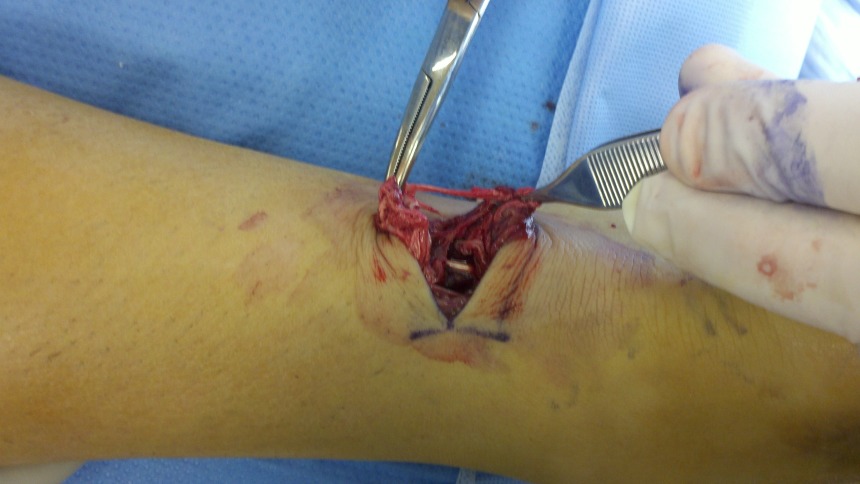
    The good news is that there is a new approach to Achilles surgeries, that has overtaken the old method with long incisions and lots of scarring.  This minimally invasive approach uses a calibrated jig that we pass the sutures through the skin and it locks down the Achilles and draws the 2 ripped sides together. This heals in a beautiful fashion with minimal scarring and faster return to activities. Having performed numerous Achilles repairs using both approaches, I can confidently say my patients are very happy with this approach and all have healed withing 4-6 weeks. With a 0% re rupture rate.

    Don’t leave your Achilles repair surgery up to chance, make sure you know your options as a patient that there are minimal invasive approaches to repair the tendon. And make sure your surgeon has performed many of them. Feel free to come in for an evaluation to see if this is the right procedure for you

    Dr Wrotslavsky is Board certified by the American Board of Foot and Ankle Surgery and completed a orthopedic fellowship in limb lengthening and reconstruction. He practices Foot and ankle surgery in San Diego with focus on sports medicine injuries , bunions , hammertoes, heel pain and Amputation prevention surgeries.

    Achilles Tendon Rupture Repair

  • Achilles Insertional Tendonitis Retrocalcaneal Heel Spur

    Achilles Insertional Tendonitis Retrocalcaneal Heel Spur

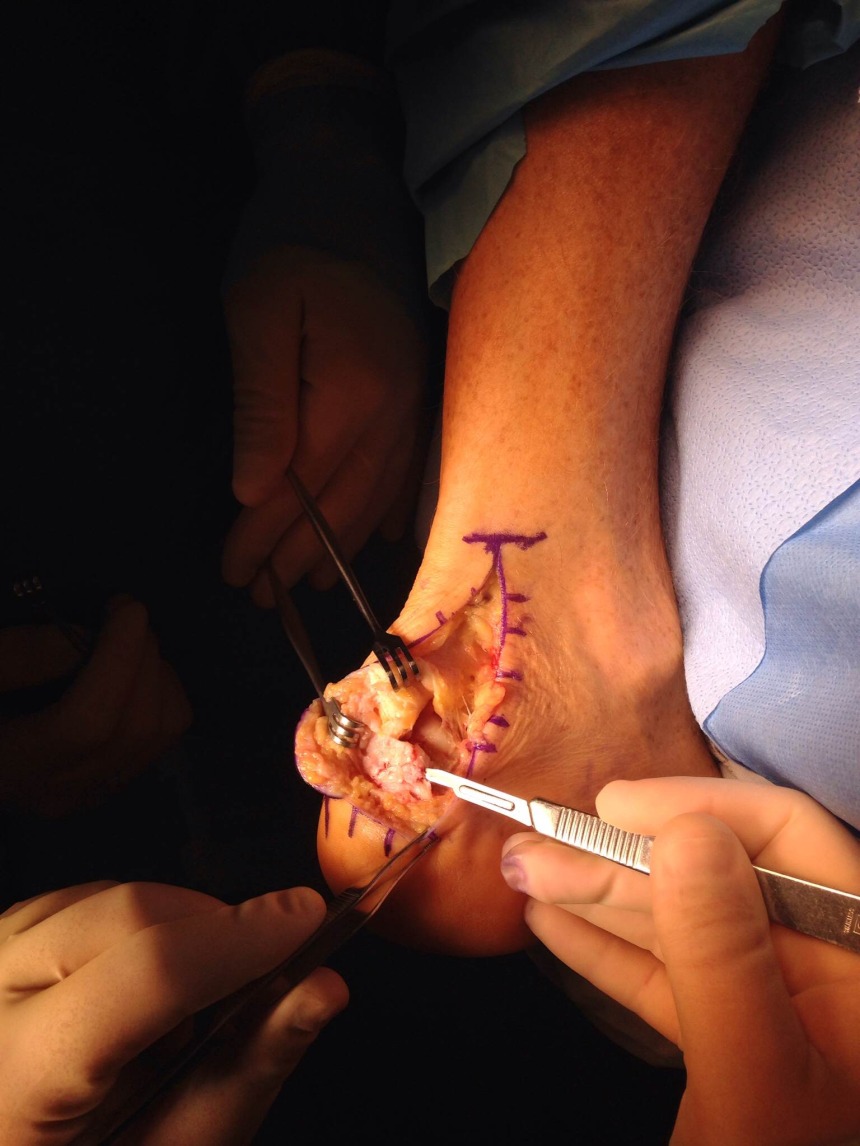
    Achilles Insertional Tendonitis Retrocalcaneal Heel Spur           Suffering with heel pain is not a way to live. Suffering with heel pain in the back of the heel that does not allow you to wear shoes with out the painful rubbing in the back of your shoe can be unbearable. The issue can present itself as a bump in the back of the heel that can feel like a burning sensation in the back of the heel. One may have a severe amount of pain when getting up in the morning. Your first steps can hurt a lot. X rays will confirm the presence of a spur in the back of the heel bone (otherwise known as the calcaneus). MRI will confirm if there are partial tears to the achilles tendon. There are meany treatments for this condition, it is referred to in the sports medicine field as Achilles insertional tendonitis with a  Retrocalcaneal Heel Spur. Physical therapy can sometimes be a help and is worth a try. Steroid injections can be helpful as well. The goal with those therapies is to reduce the inflammation. If there are tears or a spur and the physical therapy does not help then there is a great surgical option. I have a significant amount of experience in surgical care of this condition. Patients are very satisfied when they have the area repaired. As with any surgery one can give no guarantees of outcomes. However most of the time the patients are very satisfied . The video above shows the surgery being performed by Dr Philip Wrotslavsky director of the Advanced Foot And Ankle Center Of San Diego. You will see the heel spur being removed with the achilles being repaired.


    Achilles Insertional Tendonitis Retrocalcaneal Heel Spur

    Posterior heel spur

    Achilles Insertional Tendonitis Retrocalcaneal Heel Spur

    insertional Achilles tendonitis

    Achilles Insertional Tendonitis Retrocalcaneal Heel Spur

    heel spur