Advanced Foot and Ankle Center of San Diego

Blog

  • Diabetic Charcot Foot repair

    Diabetic Charcot Foot repair

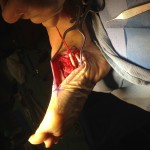
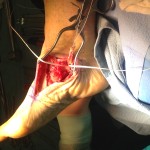
    Diabetic Charcot Foot can be a devastating disease. It is many times misdiagnosed as an infection. I had a patient that was treated for an infection and he showed up to my office for a second opinion and with an x ray is was an obvious Diabetic Charcot Foot. The foot was dislocated and in a deformed position. His arteries were at risk due to compression of the bones on his circulation. He was reccomended an amputation at his knee level. We were able to save the foot and leg, it is still connected to his body. See below for a picture of his charcot foot dislocation.

    Diabetic Charcot Foot repair
    charcot foot dislocation
    Charcot foot Super construct

    As you can see the picture on the left is a dislocated foot and the one on the right is the reconstructed charcot foot. Diabetic Charcot Foot repair requires  much skill and training, One must make sure that their surgeon has performed many of these cases as there can be a lot of issues that come up during the treatment that an experienced surgeon needs to know how to handle. It is important that your surgeon is board certified by the American Board of Foot and Ankle Surgery. Also fellowship training in this area is important as it gives the surgeon the ability to recognize complications and hurdles that show up along the way. This particular patient needed an external fixator to bring the foot out to length. That took about 3 months once that was completed the second surgery took place where the hardware was inserted to maintain the position.

    Diabetic Charcot Foot repair

    Treatment of the charcot foot is a very long process and may take a year until one is back in their shoes. Much patience is needed during this process. The alternative many times is an amputation .

    I have a significant amount of experience in saving the diabetic charcot foot from getting amputated. I am about to publish data showing that this unique groundbreaking method of surgery that I perform is an accurate safe reproducible method in saving the charcot foot from amputation.

    Please contact me with any questions  regarding Diabetic Charcot Foot repair

  • Flatfoot surgery

    Flatfoot surgery

    flatfoot surgery

    When Choosing a doctor to treat flatfoot it is important to make sure to try many non surgical treatments prior to choosing surgery. However sometimes non surgical treatments such as physical therapy , orthotics and different types of shoes fail in giving relief to your pain. Then you need to decide can you live with the pain as it currently stands and possibly get worse. Or do you want to try something invasive like surgery. Flatfoot surgery in the correct hands can be very rewarding for the patient. One needs to make sure that their surgeon is board certified by the American Board of Foot and Ankle Surgeons ( I am double certified by them in 2 types of foot and ankle surgery and reconstruction) I am also orthopedic fellowship trained in limb reconstruction. These are important in being able to choose the correct procedure and optimize you for the best possible results. Analysis of your foot and its deformity is done at our office with digital x rays that enable me to measure the exact angle of the deformity. One must realize that there are no guarantees with surgery and we can not make any promises.

    flatfoot surgery

    When is comes to flatfoot surgery there are 3 different ways to correct the deformity. And from those 3 ways there are hundreds of combinations and subsets. If you put ten surgeons in a room you will probably get fifteen ways that they would offer to correct it. Not that one is more correct than the other but there are many correct approaches as long as you stay within accepted guidelines and norms. The first way is called soft tissue balancing. This includes tendon tightening, transfers and lengthening. As well as capsular and ligament repair . The next way is called osteotomies , which means cutting the bones and moving them to different and more optimal positions. The last is called fusions. Where the surgeon fuses (locks ) 2 bones together in a corrected position. One can use various combinations of the three to attain the proper shape ind functioning foot.

    flatfoot surgery

    Remember always try a non surgical treatment such as a custom molded orthotic prior to doing surgery . Please contact me with any questions.


  • Bunion Surgery testimonial

    Bunion Surgery testimonial

    Bunion Surgery testimonial

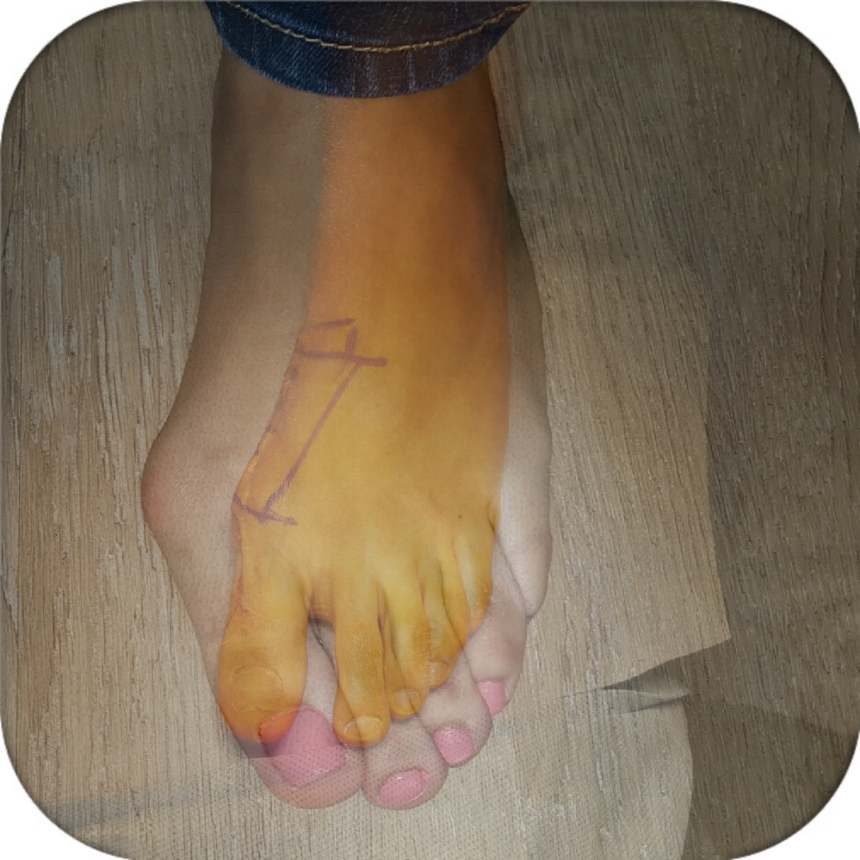
    Bunion surgery can be a scary commitment , who really wants surgery. Especially if you have to be off your feet for a few weeks. Maria who is a patient of mine wrote this to me. ” Dear Dr Wrotslavsky thank you so much for fixing my bunions. Prior to surgery i could not fit into any shoes. Now I can walk in all of my shoes pain free without my big toe rubbing on the side of the shoe. I was quite nervous prior to having the surgery ( who isn’t ?) but i am so glad i did it. The pain was not as bad as i expected. That shot you gave me before i woke up kept my foot pain free for 3 days. WOW. Thank you once again for fixing my bunion, your the best foot surgeon. PS , I told all my friends and they are coming to see you.”

    bunion surgery testimonial
    bunion surgery Dr Wortslavsky

    Above is a picture of an overlap of her foot prior to the bunion surgery and after the bunion surgery.


    Bunion Surgery testimonial

    Bunion surgery is not for everyone. It usually requires cutting of capsule , tendon ligaments and bone to re align the toe into the proper position. This should be done by someone who is well trained. I am double board certified in Foot and Ankle surgery by the American Board Of Foot and Ankle Surgeons. As well I did a 1 year extra orthopedic fellowship in limb lengthening and limb reconstruction. Always ask your surgeon for their credentials and how often they do that type of surgery. There are many new and advanced techniques that allow for much smaller incisions and allow for putting full weight on the foot much sooner than it used to be.  Bunion surgery must be approached with full understanding of the biomechanics of the joints of the foot as well as the artistic ability to make changes to the deformity with aesthetic outcomes.

    Feel free to contact me if you have any questions if you are a proper candidate for bunion surgery.


  • wound debridement advancements

    wound debridement advancements

    wound debridement advancements

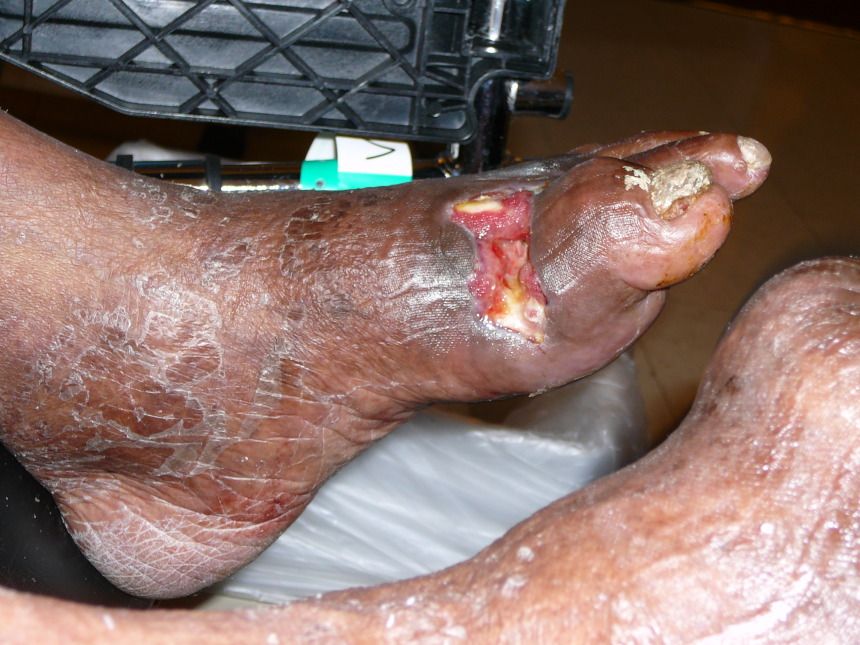
    Wound care of the foot and ankle today has come a long ways from years back of wet to dry dressings. With the growth of wound care centers and limb preservation programs we are able to heal wounds quicker than ever before. As well the need for amputations of toes , feet and legs are going down with proper treatment. One of the methods to heal wounds is debridement. This is just on part of the treatment and not the only thing that will heal a wound. One must remember that good blood flow and a environment free of infection and a deformity free foot are also important. healing wounds takes a multiple specialty approach that includes podiatry infectious disease specialists and vascular specialists.

    wound debridement advancement

    Wound debridement is the removal of non viable tissue from the bed of the wound. Many wounds that are slow to heal have overgrowth of tissue in it that slows down and prevents new skin to cover the wound. I compare it to a garden , how do you get a garden to grow grass you need to

    Heel wound with gangrene
    Heel wound with gangrene

    image

    remove the weeds (debride the wound) water the grass (good vasculature and good circulation) and make sure there are no aphids and fungi growing ( remove bioburden such as infection).


    wound debridement advancements

    How does one remove the bad tissue from wounds?  Years ago the doctor would put a wet dressing on it and then it would dry and when it dried out the doctor would tear it off and along came with it the bad tissue. That was called a wet to dry dressing. We have moved away from that to much better techniques. Yes there is the classic method of using a scalpel , which works great. However the drawback to the scalpel method is that it inevitably removed healthy tissue along with it. Today there are 2 excellent water systems that remove the dead tissue one is the versajet

    The other is called Misonix

    this is myself performing a debridement with misonix

    Misonix tissue debridement


    These methods give an accurate way of removing dead tissue while maintaining the live tissue.

    One other method for which i have had tremendous success is the use of Santyl ointment http://www.santyl.com/  this is an ointment that removed the bad tissue and KEEPS the healthy tissue via enzymatic debridement. It uses collagenase to remove the unwanted tissue  and promote the growth of new skin tissue. So if you are going week after week to a wound care center for a foot wound or a diabetic foot wound or even a wound on your foot and leg from an injury of a surgery incision that has not healed  make sure to learn about these methods and see if they are right for you.

    Wound testimonial from a patient of Dr Wrotslavsky  (reprinted with patient permission)  ” Dear Dr Wrotslavsky, Thank you for caring for me and closing my wound. I was going to a wound care center for 6 months and my wound was not getting smaller. You were able to diagnose the underlying issue and took me straight to the operating room and cleaned it up. You then put a skin graft on it and now my wound is closed. I am so happy to be back in shoes , thank you”  Joan M.  La Jolla San diego.


  • Salvage of the failed total ankle replacement

    Salvage of the failed total ankle replacement

    Salvage of the failed total ankle replacement

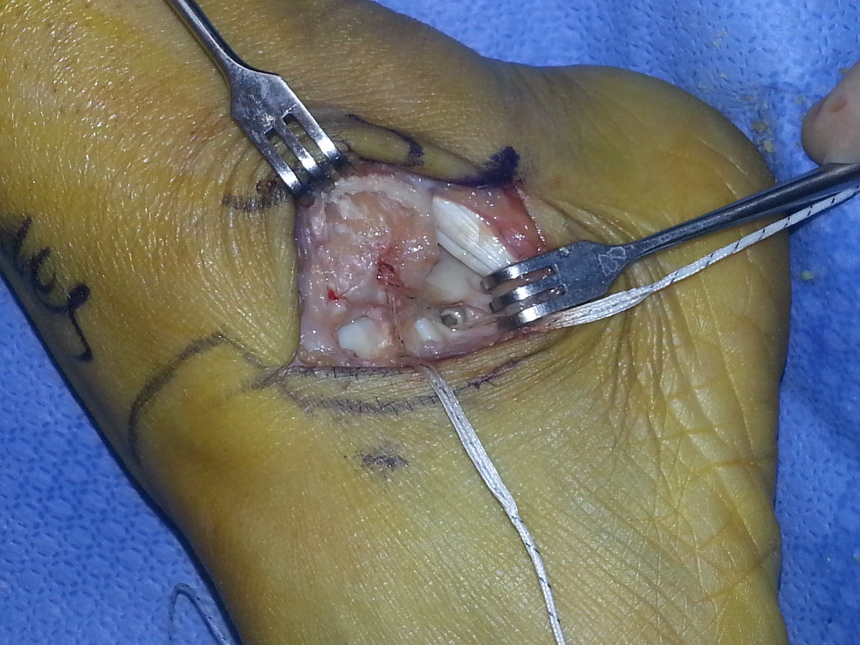
    So you had a total ankle replacement , Things were going well. But then you felt crunching in the joint and the ankle feels unstable. Or you had an infection after the surgery and the ankle just doesn’t feel right. I have had patients come into my office with ankle replacements from other STAR Ankle Implantsurgeons with the ankle replacement flipped upside down. No, your surgeon did not do anything wrong. Unfortunately ankle replacements can have complications. Infection and hardware loosening and displacement are not uncommon. The real issue is , is your surgeon equipped to do the salvage of the total ankle replacement  or the revisional surgery. There are many considerations that need to take place, is there infection , is there deformity, how much shortening will there be? Those and many other considerations and some very specific expertise and skills are necessary to salvage your ankle joint. I have has many patients come into my office and they were told by other surgeons as a second opinion to amputate the leg. That is too drastic. Now there are many techniques to replace the implant with certain bone cuts that can save the ankle. There have been studies showing fusion of the subtalar joint or a tibial osteotomy depending on the deformity or where there is laxity can make the difference in salvaging the failed ankle replacement.

    Even when the ankle replacement is beyond saving fusions are not the end of the world. There are many fusion techniques that can be done and maintain equal leg lengths. There is also the ability to fuse the ankle and then perform lengthening over a nail or distraction osteogenesis to maintain equal leg length. There are also some ways to revise the implant with a different type of implant.

    Dont settle for an ankle replacement failure by living with it , or getting your leg amputated. make sure you have a proper workup to either fuse the ankle or revise the implant. One last note its vital to make sure you don’t have an infection in the ankle because the replacement revision will need even more expertise.

    Anna a patient of mine wrote to me ” Dr Phil, thank you so much for taking care of my ankle, I am walking again without a walker . You changed my life”


  • Ankle Ligament Surgery Repair Testimonial

    Ankle Ligament Surgery Repair Testimonial

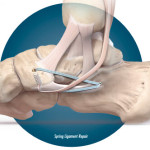
    ankle ligament tornAnkle ligament Surgery repair success story Testimonial

    Joseph M came to my office last year with an old ankle injury. He used to be an avid runner ankle ligament tendon recon2and loved it. He would run 3 marathons a year. Until one day he stepped off a curb and felt a pop in the ankle. Joseph went on through his day and thought the pain would resolve. He got home and the ankle was swollen and purple. It took a few months till it felt right, however when he played basketball or tried running he said it just did not feel right. It felt unstable. After a while it was constantly  getting sprained again. He always needed to run and walk with an ankle brace and it was frustrating for him.

    Joseph came to my office. A thorough physical exam was performed including X rays and an MRI. He exhibited classic signs of lateral ankle instability. He had a positive anterior draw sign. On his stress inversion X ray the ankle mortise opened up and on MRI it showed a torn anterior talo fibular ligament and a torn calcaneo fibular ligament.  Joseph was given a few options and tried some physical therapy. While that helped some he still didn’t feel the stability he wanted in his ankle

    Ankle ligament Surgery repair success story Testimonial

    Joseph chose to undergo an ankle ligament repair surgery. There are multiple ways to repair torn ankle ligaments. Joseph underwent a tendon grafting procedure where a tendon was anchored into the talus , fibula and calcaneus bone via a biotenodesis technique.  He was off the ankle on crutches and had a full recover 3 months later .

    It is now 2 years later and Joseph came in to tell me ” My ankle has never felt this good, I have not sprained it since the surgery”. ” My ankle feels so stable and strong, Thank you Dr Wrotslavsky”

    If you have an ankle that feels unstable or you are constantly spraining and straining your ankle, come in for an evaluation.


    ankle ligament repair
    ankle ligament repair

  • Ankle Arthroscopy testimonial

    Ankle Arthroscopy testimonial

    Jose is a patient of ours that was suffering from ankle pain for many years. He loved to play Basketball and ride his Felt road bike on the weekends. He had an ankle sprain 10 years ago and was told it’s not bad. But it never got better it always felt like a deep pain in his ankle and never felt right. He did not have instability. Now he is 30 years old and wants to be more active and just can’t survive on the court for more than 15 minutes without getting pain in his ankle.

    cartilage defect
    cartilage defect

    He came to my office and after a thorough physical exam and a digital gait exam and a digital x ray. We found the culprit on X ray, it was an osteochondral defect. The next move was an MRI. The ankle MRI showed a medial talar dome defect of 9mm in diameters which was unstable. Jose told me ” I have been to many doctors but you were the first to be able to figure out what was wrong with my ankle. Jose’s journey to a healthy ankle was just beginning.

    Ankle Arthroscopy testimonial

    Jose underwent an ankle arthroscopy. The procedure is done in an outpatient setting , meaning you go home that day. You are bought into the operating room and given a sedative to relax you. Then the anesthesiologist puts you to sleep. We use a special distraction technique to pull the ankle apart gently while letting the camera into the joint. In Jose’e case we put the camera in the joint and identified the defect in the cartilage. The bad cartilage was removed with special instruments and a donor cartilage graft was put in its place. we use two to three tiny poke hole incisions and they get one or two sutures a piece. After some physical therapy and a few weeks of letting the cartilage integrate Jose was back to light activities. Three months later he was able to do some moderate activities. and then one month after that he was back on the court .

    Jose wrote to me in an email ” Dear Dr Wrotslavsky Thank you for helping me in getting my ankle better. This is the first time in years I am pain free in my ankle. Just the other day i was able to play basketball for an hour without any pain , I am grateful for your work. “

  • Toe Fracture

    Toe fracture

    It’s three in the morning, and you need to go to the bathroom. You get up out of bed and didn’t bother turning in the lights. As you’re walking all groggy, “bam” a searing pain starts shooting through your toe. You stubbed your toe and Oh does that hurt, you think it’s nothing and the throbbing kicks in. You pop a Tylenol or motrin for the pain and after an hour you fall back asleep. Next morning you wake up and your toe is still sore. You’re about to put on your socks and notice it’s swollen and purple. Now you’re nervous ” did I break my toe” you ask yourself. You try putting on those nice shoes you were saving for today’s interview and the foot with the bum toe barely can fit into them. “Does that toe look crooked”  you wonder. You’re day ended up being a disaster, with the amount of pain you are in. You decide to make an appointment with a podiatrist to have it examined. You were lucky, that Dr. Wrotslavsky had an opening the next day at the Advanced Foot And Ankle Center Of San Diego. At your visit Dr. Philip Wrotslavsky examines the toe. Next you have an x ray and a toe fracture is confirmed as your diagnosis. This is a common occurrence. Many times the fracture is stable without deformity or dislocation. In those cases the simple solution is to tape the to the adjacent toe for a few weeks and it should heal fine. I do not suggest doing this without first having an x ray. I have a diabetics who thought they would do it themselves and ended up getting gangrene because they taped it to tight or they got an infection.

    Last week,  Kaitlyn came to my office and she had the same incident as described above but in her case the tie was very crooked and she could not even get into a shoe. An x ray confirmed a fracture of the toe, but in her case the bone shifted into the wrong position and had an angular deformity.

    fracture fifth toe
    fracture fifth toe

    I went on to numb up the toe with some lidocaine. Once that took I use a technique called closed reduction, and put the toe back in the proper position. Most toe fractures will take six to ten weeks to heal. The swelling can stay also for that amount of time. One must be careful regarding exercising with a broken toe, as that can cause it to deviate out of position. I have seen many a crooked toe and hammertoe’s from improperly treated toe fractures.

    So don’t leave your tie fracture to chance, make sure you see a board certified podiatrist to care for these injuries


  • Podiatry expert witness

    Podiatry expert witness

    Expert witness testimony for podiatry and foot and ankle legal cases are important whether you are the plaintiff or the defendant.  One of the big misconceptions is that expert review is limited to malpractice situations. I have courtroom experience and deposition experience in many more situations that call for a foot and ankle expert, not only malpractice. Personal injury and workmans comp cases many times require an expert witness for foot and ankle purposes , for which I have much experience. I have experience in elder abuse cases for skilled nursing facilities both plaintiff and defense.

    When choosing and expert witness make sure the doctor is board certified and fellowship trained. I have reviewed many cases and am constantly amazed by the lack of expertise the other side has brought to the table. Being board certified and fellowship trained in limb reconstruction I have the ability to recognize the source of injury and either able to connect it to the incident or refute the claim being made that such an incident caused the injury that is being claimed.

    Foot and ankle / Podiatry Expert Witness

    Reviewing the case and justifying or defending a claim as a podiatry expert witness is the first step to help you legally. However there are many other needs such as report writing. Writing a good report is important in being able to construct a good defense or complaint. Also cost reports are a specialty of mine, I have much experience in putting a numerical value to the cost of injury and cost of surgery and recovery.

    Depositions. Deposition experience is a key to the case. I have done countless depositions and that is where you will see the expertise that will justify your case. Whether it be a personal injury or Elder abuse or even malpractice case. Personal injury foot and ankle cases need an expert that can differentiate between bone , nerve , vascular , skin and tendon issues. Too many times too much focus is put on a broken bone when there is nerve damage as well.

    Courtroom appearance. Your expert should be eloquent and connect with the jury . Not too verbose and speak in a language the jury understands. Of course it does not need to mentioned , never speak down to the jury. One thing I have seen from other experts as an error is that they are so busy with their practice they come unprepared to the court case. An expert witness should no think they can wing it.

    So if you need defense or plaintiff expert advice for a podiatry Foot and ankle legal case, make sure to choose a board certified in foot and ankle surgery ( by the American Board of Foot And Ankle Surgery https://www.abfas.org/  ) and as well as being Fellowship trained. Lastly someone with deposition and courtroom experience and that has experience writing reports and cost reports.

    Philip Wrotslavsky is Board certified by the American Board of Foot And Ankle Surgery https://www.abfas.org/ , he is orthopedic fellowship trained in limb lengthening and limg reconstruction. and has experience in courtroom experience and depositions and cost report writing. To request a case review he can be emailed at drphilipw@sdfootdoc.com  888-451-3770


  • Sesamoid fracture

    Sesamoid fracture dancer testimonial

    Jill, who is a professional dancer came into my office 2 months ago and was in severe pain. The ball of her foot was killing her , particularly by the big toe. She was performing leaps and landed hard on her ball of her foot and felt an enormous amount of pain. She was first seen by another doctor , and was recommended a surgery to remove the sesamoid. That sounded fishy to her and wanted to try a non surgical approach.

    She was seen at our office, an examination was performed. After performing a gait analysis along with digital x rays, her diagnosis was clear, she had a fracture of one of her sesamoids. The Sesamoids are two pea shaped bones that are under the big toe by the ball of the foot. There is a tendon that is attached to them called the flexor hallucis brevis. Injury of the sesamoid bones can happen from direct impact, such as coming down hard on them. That is common in dancers and runners. Or sesamoid fractures can stem from repetitive microtrauma that results in either an inflammation called sesamoiditis or a fracture that is not felt.

    Back to our story with Jill, her sesamoid fracture was a direct injury that she felt during a dance routine. There are many treatments for this painful injury, however removing the sesamoid bone should be saved as a last resort. I am not saying it’s the wrong thing to do, but there are other treatments that can be tried first.

    Sometimes the sesamoid fracture on x ray is really am old fracture, or even there are times when you’re born with a split sesamoid otherwise known as a bipartite sesamoid. In this case it may be a sesamoiditis and not a fracture. Many times a steroid injection with a good pair of custom molded orthotics will do the trick and resolve the pain. Sometimes a few and in a fracture boot is necessary. If its a fracture surgery is very rarely necessary, unless there is a dislocation such as a severe turf toe injury. When there is a sesamoid fracture immobilization and staying off the foot is important to allow our to heal. We use the freedom leg device to help people get around while staying off the foot. Sometimes a bone stimulator will help heal the fracture, because sesamoid are hard to heal due to poor blood supply. I have had good results with PRP injections and amniotic fluid injections, those help bring the cells to heal up the area. Sometimes the bones don’t heal, that’s not the end of the world. If its not painful, then monitoring it and special shoe inserts/ custom molded orthotics are good for this. If it doesn’t heal and you have tried multiple treatments and you are still in pain then surgery can be a good solution for you. I remove the offending bone and 95%of the time problem is resolved.