Advanced Foot and Ankle Center of San Diego

Category: Sports Medicine

  • Healthy Feet, Independent Life: Specialized Foot Care for Seniors in La Jolla

    Absolutely, Phil. Here’s the revised blog with the additional La Jolla independent living communities—Pacific Regent La Jolla, Atria La Jolla, and Bayshire Torrey Pines—included for a more comprehensive and locally targeted message:


    Title: 

    As we age, maintaining mobility becomes essential for independence, confidence, and quality of life. At Advanced Foot and Ankle Center of San Diego, we proudly offer expert foot and ankle care to seniors living in independent retirement communities throughout La Jolla, helping you stay on your feet—comfortably and safely.

    Whether you’re living at White Sands La Jolla, Casa de Mañana, Vi at La Jolla Village, Belmont Village Senior Living, Pacific Regent La Jolla, Atria La Jolla, or Bayshire Torrey Pines, our board-certified specialists are here to support your foot health with compassion, experience, and the most advanced treatment options available.


    Why Foot Care Matters More as We Age

    Our feet carry us for a lifetime, but over time, common conditions like arthritis, bunions, hammertoes, corns, calluses, neuropathy, and fungal infections can make walking painful and risky. Diabetes, circulatory issues, and balance changes further increase the chance of complications from untreated foot problems.

    Routine podiatric care can help prevent small issues from becoming serious mobility threats. That’s why our clinic emphasizes regular checkups, safe toenail trimming, skin care, and treatment of foot pain, all tailored to the unique needs of older adults.


    Services We Offer

    At the Advanced Foot and Ankle Center of San Diego, we provide a full spectrum of services, including:

    • Diabetic foot exams and wound prevention
    • Toenail care for thickened, fungal, or ingrown nails
    • Callus and corn management
    • Arthritis and joint pain treatment
    • Fall risk assessment and balance support
    • Custom orthotics and offloading shoes
    • Minimally invasive procedures when needed
    • Home care recommendations to keep you active and safe

    Our office is centrally located and easily accessible for La Jolla seniors. We’re also happy to coordinate with your primary care provider or family members to ensure continuity of care.


    Proudly Serving La Jolla’s Senior Communities

    We regularly care for patients from:

    • White Sands La Jolla – a premier oceanfront senior living community
    • Casa de Mañana – known for its charming historic setting and active lifestyle
    • Vi at La Jolla Village – luxury retirement living near UCSD
    • Belmont Village La Jolla – offering exceptional hospitality and care
    • Pacific Regent La Jolla – a vibrant high-rise independent living community
    • Atria La Jolla – known for its warm atmosphere and personalized care
    • Bayshire Torrey Pines – offering comfortable, supportive senior living in a serene setting

    If you live in any of these communities—or are a loved one helping someone who does—know that our practice welcomes new patients and offers individualized, respectful care that prioritizes comfort and safety.


    You Deserve Expert Foot Care

    Led by Dr. Philip Wrotslavsky, a double board-certified foot and ankle surgeon with advanced training in limb salvage and reconstruction, our team understands how to keep seniors active, independent, and pain-free. With over 20 years of experience caring for older adults, we recognize that good foot care is good health care.

    Don’t wait until pain or infection forces you to stop doing what you love. Contact Advanced Foot and Ankle Center of San Diego today to schedule an appointment and step into a more comfortable tomorrow.
     

  • Minimally Invasive Achilles Tendon Repair in San Diego: Walk in 3 Weeks After Rupture

    Discover how Dr. Wrotslavsky at the Advanced Foot and Ankle Center of San Diego repairs Achilles tendon ruptures using a minimally invasive technique with incisions under 3 mm. Walk in as little as 3 weeks post-surgery with the Aztron MedTech system.


    Expert Achilles Tendon Repair in San Diego with Minimally Invasive Surgery

    If you’ve suffered an Achilles tendon rupture, you may be concerned about a long recovery and extensive scarring. At the Advanced Foot and Ankle Center of San Diego, board-certified foot and ankle surgeon Dr. Wrotslavsky offers a minimally invasive Achilles tendon repair technique using the Aztron MedTech Advanced Percutaneous Repair System.

    This advanced surgical approach uses incisions smaller than 3 mm, significantly reducing downtime, scarring, and complication rates. Many patients are able to walk as early as three weeks after surgery—a dramatic improvement over traditional methods.


    What Is a Minimally Invasive Achilles Tendon Repair?

    Traditional Achilles tendon surgery often requires large incisions (6–10 cm), which can increase the risk of infection, wound breakdown, and scarring. In contrast, percutaneous Achilles tendon repair involves tiny incisions and specialized tools to suture the torn tendon with minimal disruption to surrounding tissues.

    The Aztron MedTech system enhances this process by offering:

    • Less than 3 mm incisions

    • Precise suture alignment using an external guide

    • Minimal soft tissue trauma

    • Lower risk of sural nerve injury

    • Strong and secure tendon fixation

    This method has become the preferred choice for many active patients seeking faster recovery from Achilles tendon rupture.


    Faster Recovery: Walk After Achilles Tendon Surgery in Just 3 Weeks

    Dr. Wrotslavsky has developed a progressive rehabilitation protocol that allows patients to begin protected weightbearing as early as three weeks post-op. This is made possible by the strong repair achieved through the Aztron system and the preservation of surrounding structures.

    Research shows that early mobilization after Achilles tendon repair leads to better outcomes:

    • A study in The American Journal of Sports Medicine found no increase in re-rupture risk with early motion protocols [1].

    • The Bone & Joint Journal reported lower complication rates and excellent functional outcomes in patients treated with percutaneous repair [2].


    Why Choose Dr. Wrotslavsky in San Diego?

    With decades of experience and fellowship training in limb reconstruction, Dr. Wrotslavsky is a recognized leader in advanced surgical foot and ankle care. He is double board-certified and has performed hundreds of tendon repairs using the latest minimally invasive techniques.

    Patients from across Southern California trust Dr. Wrotslavsky for:

    • His personalized surgical approach

    • Fast-track recovery plans

    • Low rates of complications

    • Outstanding cosmetic and functional results


    Schedule a Consultation for Achilles Tendon Surgery in San Diego

    If you’ve experienced a torn Achilles tendon and want to return to your active lifestyle quickly and safely, contact the Advanced Foot and Ankle Center of San Diego today. Dr. Wrotslavsky offers the most advanced Achilles tendon repair surgery available in San Diego.

    • Achilles tendon rupture treatment San Diego

    • Minimally invasive Achilles tendon repair

    • Percutaneous Achilles surgery San Diego

    • Achilles tendon surgery recovery

    • Achilles tendon repair specialist


    References

    1. Twaddle BC, Poon P. Early motion for Achilles tendon ruptures: is surgery important? Am J Sports Med. 2007;35(12):2033–2038.

    2. Maes R, Copin G, Bouquiaux D, et al. Percutaneous repair of the Achilles tendon: a prospective study. Bone Joint J. 2006;88-B(5):651–655.

  • Common Injuries in Young Dancers: Ballet & Rhythmic Gymnastics

    Common Injuries in Young Dancers: Ballet & Rhythmic Gymnastics

    Common Injuries in Young Dancers: Ballet & Rhythmic Gymnastics

    With over 20 years of experience treating dancers, Dr Philip Wrotslavsky DPM FACFAS founder of the Advanced Foot and Ankle Center of San Diego understands the unique physical demands placed on young ballet dancers and rhythmic gymnasts. These athletes push their bodies to achieve extraordinary movements, often leading to overuse injuries if not properly managed.

    By focusing on accurate diagnosis, personalized treatment plans, and proactive injury prevention, Advanced Foot and Ankle Center of San Diego has successfully helped countless young dancers recover and return to performing at their best. Below are three of the most common injuries seen in young dancers, along with effective treatment and prevention strategies.

    1. Ankle Sprains and Instability

    Why It Happens

    Ankle sprains occur when the ligaments supporting the ankle are overstretched or torn. This frequently happens when a dancer lands incorrectly from a jump, rolls through an unstable pointe position, or missteps on demi-pointe. Recurrent sprains can lead to chronic instability, increasing the risk of long-term damage.

    Treatment & Prevention

    • Early Intervention – Immediate treatment reduces swelling and prevents further injury. Initial management includes immobilization, compression, and ice therapy.
    • Strength & Stability Training – Customized rehabilitation programs focus on strengthening the foot and ankle muscles to restore stability and prevent future injuries.
    • Proprioception Exercises – Balance and coordination drills, such as single-leg exercises and controlled landings, improve neuromuscular control and reduce the risk of re-injury.
    • Taping & Bracing – For dancers prone to recurrent sprains, temporary bracing or taping techniques may be recommended during performances or intense training periods.

    2. Stress Fractures

    Why It Happens

    Stress fractures are tiny cracks in the bone caused by repetitive impact and overuse. In dancers, they often occur in the metatarsals (foot bones) and tibia (shin bone). Overtraining, improper flooring, and nutritional deficiencies can contribute to the development of stress fractures.

    Treatment & Prevention

    • Accurate Diagnosis – Clinical assessment and imaging, such as X-rays or MRIs, are used to confirm stress fractures and determine their severity.
    • Activity Modification – While rest is crucial, maintaining strength through modified training is essential to avoid muscle atrophy.
    • Nutritional Guidance – Ensuring adequate calcium, vitamin D, and overall nutrition supports optimal bone health and prevents future fractures.
    • Gradual Return to Dance – A structured return-to-dance program focuses on progressive load-bearing activities to prevent re-injury and rebuild endurance.

    3. Achilles Tendinitis

    Why It Happens

    Achilles tendinitis results from repetitive strain on the Achilles tendon, often due to excessive pointe work, overuse, or improper biomechanics. Without proper treatment, the condition can progress to a chronic issue, leading to prolonged recovery times.

    Treatment & Prevention

    • Eccentric Strengthening – Heel-lowering exercises are incorporated to rebuild tendon strength while reducing inflammation.
    • Biomechanical Assessment & Correction – A thorough evaluation of technique, foot alignment, and muscle imbalances helps address movement patterns that may be overloading the tendon.
    • Soft Tissue Therapy – Manual therapy, massage, and modalities such as shockwave therapy can improve circulation and accelerate healing.
    • Gradual Load Progression – A structured rehabilitation program ensures a safe return to training, gradually reintroducing jumping and pointe work.

    Conclusion

    For over 20 years, Dr. Wrotslavsky has provided expert care for dancers, ensuring they receive specialized treatment tailored to their unique needs. By prioritizing proper technique, strength training, and early intervention, young dancers can minimize their risk of injury and continue to perform at their highest level.

    Pain should never be ignored. Addressing injuries early leads to better outcomes and a stronger, more resilient dancer. If heel pain, ankle instability, or tendon issues are affecting performance, seeking professional care can make all the difference in a dancer’s long-term health and success.

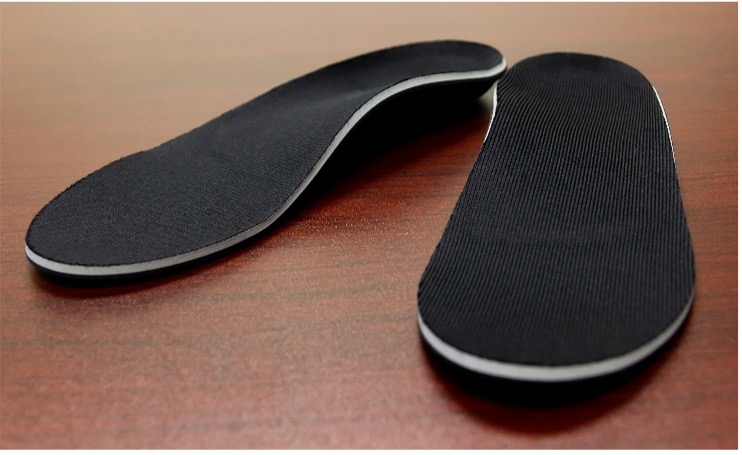
  • The Cost of Custom Orthotics

    The Cost of Custom Orthotics

    The Cost of Painless Walking is $2

    A friend and I were discussing orthotics the other day and we were talking about the price of custom orthotics. Especially in today’s economy with every subsequent article talking about rising inflation rates, the negative performance of the stock market, and an ever-increasing risk of recession that may or may not be worse than 2008, the price of everything comes to the forefront. Typically, custom orthotics cost 100’s of dollars. I could wax on and on about why a custom orthotic is better than a store-bought $40-$100 orthotic. However I’d like to share what my friend said.

    He told me there is a saying that simply says to:

    “Invest good money in anything that separates you from the ground”

    Your chair, Your bed, Your shoes, Your tires, etc. These things are necessities in everyday life. A deficient or broken product usually leads to a significant disruption in daily living. The most common example is your mattress. The benefits of a good night’s sleep are well documented. It is standard advice to invest in a good mattress that will meet your sleep hygiene needs to get much-needed rest so that you can be at your peak performance the next day. Skimping and buying something subpar usually results in a disruption in sleep, a decrease in performance the next day, and the eventual purchase of another mattress quite a bit sooner than you would have otherwise.

    Applied to orthotics, he quoted the often cited “10k steps a day” statistic. It is a commonly accepted belief in the modern day that 10,000 steps a day is a relatively good measure of a healthier active lifestyle. While there is debate about to its accuracy, for simplicity’s sake, let’s assume it is true. If you take 10,000 steps a day, that means you use both feet at least 10,000 times a day. Thus, you take 3,650,000 steps in a year. If you need orthotics, that means you will be using them at least 3.6 million times a year. For $650 that comes out to about

    which can also roughly be expressed as $2 a day to walk painlessly. However, that assumes the custom orthotic only lasts for 1 year. The average custom orthotic usually will last at least 5-10 years depending on the amount of use. Even then, it will usually just need to be refurbished, not made from scratch (a significantly cheaper process). The math at that point becomes about $1 for 56,000 steps or about $1 for a little under a week’s worth of painless walking. Either way, the question is, is that worth it? To need a custom orthotic, there must be a foot and ankle issue that is causing a disruption large enough to go to a podiatrist’s office to seek help. What could you do if that pain wasn’t there anymore? How much is walking painlessly worth to you? It’s a personal decision, especially in today’s economy. But, again, I think it’s wise advice to keep in mind. Invest good money in anything that separates you from the ground.


    Written by Dr. Gavin Tsuchida

    Dr. Tsuchida recently moved to San Diego from New York and is enjoying the beach and hiking when he’s not providing thoughtful, personalized care for his patients.


  • Cartilage Replacement For ankle Arthritis

    Cartilage Replacement For ankle Arthritis

    If you have foot or ankle arthritis you may be frustrated with the available options. Non surgical options such as physical therapy or injections may not have worked for you. You may have researched stem cell treatment, however there is no real good scientific data that shows it grows any cartilage, let alone reduce pain. I have patients that have spent over $5,000 in stem cell injections and have gotten no relief. Typically from a surgical standpoint the options available have been Ankle joint fusion or ankle replacement. Ankle replacement has advantages of maintaining motion, however there is much argument in the literature as to the longevity of the hardware used in ankle replacements. As well when there are complications such as loosening of the implant of infection then you really have problems. Many times with ankle replacements one will get back their motion but it is painful motion, and the surgeon needs to remove large chunks of bone to get in the implant. On the other hand ankle fusions have been around as a solution for over 50 years. ( I have even published articles on this procedure https://pdfs.semanticscholar.org/bebf/d64602522a0ad98eee28aa3c972696b08857.pdf ) The procedure works by eliminating the motion from the ankle. No motion should equal no pain. However loss of motion can have effects on other joints and will affect the way you walk. With both of those procedures you end up burning bridges and can not turn back once done.

    Cartilage Replacement For ankle Arthritis

    This brings us to an innovative procedure that I have been doing the past few years and that is cartilage replacement of the ankle for ankle arthritis. There is now available cryo-preserved  cartilage on the market that promotes stem cell like migration. http://www.osiris.com/cartiform/  

    This biological implant allows for one to maintain motion and does not remove large chunks of bone. Lastly one burns no bridges when putting it in. If the procedure does not give you the results that you were hoping for you can always still have the replacement or fusion . This procedure works great on ankle arthritis and Hallux rigidus ( arthritis of the big toe)

    watch my video below describing a case study.

    https://www.arthrex.com/resources/presentation/3w3UfAMQN02wlQFkBOQsMA/1st-mpj-resurfacing-using-cartiform-viable-osteochondral-allograft

    cartilage replacement arthrex cartiform
    cartilage replacement arthrex cartiform big toe
  • Achilles Tendon Rupture Repair

    Achilles Tendon Rupture Repair

    Achilles Tendon Rupture Repair

    Achilles Tendon Rupture Repair

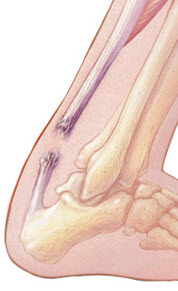
    POP, you feel it in the back of your ankle. It can feel as if someone slugged you with a bat in the back of the heel. You fall down and can barley walk on the foot. Overnight the ankle and heel get swollen and purple. When walking you barley have any muscle strength to move your ankle up and down You end up getting evaluated and diagnosed with an Achilles tendon rupture. What next. The Achilles tendon is the strongest tendon in the body. It is the tendon responsible for pushing the foot down. For example walking up and down stairs and even getting up from a chair are crucial to have a working Achilles. There is evidence that shows to cast these injuries and let the tendon re attach by itself. However what you do not read about is the re-rupture rate after this method of healing. It has been reported that after casting torn Achilles tendons they can re rupture 20% of the time. Surgically repaired tendons show as low as 1% re rupture. Just a few weeks ago I had a patient that was casted elsewhere and not even 9 months later there was a full re rupture, he was so disappointing because he was immobilized for closed to 3 months with the old method.

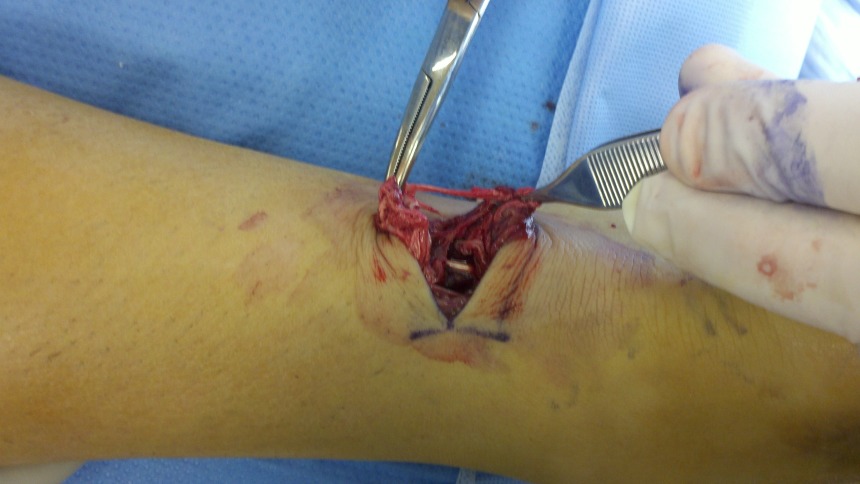
    The good news is that there is a new approach to Achilles surgeries, that has overtaken the old method with long incisions and lots of scarring.  This minimally invasive approach uses a calibrated jig that we pass the sutures through the skin and it locks down the Achilles and draws the 2 ripped sides together. This heals in a beautiful fashion with minimal scarring and faster return to activities. Having performed numerous Achilles repairs using both approaches, I can confidently say my patients are very happy with this approach and all have healed withing 4-6 weeks. With a 0% re rupture rate.

    Don’t leave your Achilles repair surgery up to chance, make sure you know your options as a patient that there are minimal invasive approaches to repair the tendon. And make sure your surgeon has performed many of them. Feel free to come in for an evaluation to see if this is the right procedure for you

    Dr Wrotslavsky is Board certified by the American Board of Foot and Ankle Surgery and completed a orthopedic fellowship in limb lengthening and reconstruction. He practices Foot and ankle surgery in San Diego with focus on sports medicine injuries , bunions , hammertoes, heel pain and Amputation prevention surgeries.

    Achilles Tendon Rupture Repair