Category: Foot tendon and ligament pain

conditions of the foot tendons and ligaments including heel pain and plantar fasciitis

  • Cortrophin vs. Prednisone: A New Option for Treating Foot and Ankle Inflammation

    Foot and ankle pain is one of the most common reasons patients seek medical care. While injuries and overuse can certainly cause discomfort, many cases of persistent pain are actually driven by inflammation. Conditions such as rheumatoid arthritis, gout, and autoimmune tendon disorders frequently affect the joints and tendons of the feet.

    For decades, medications like Prednisone have played a major role in reducing inflammation. However, another therapy—Purified Cortrophin Gel—is increasingly being discussed as an alternative approach for certain patients.

    Understanding how these medications work can help patients better understand their treatment options.

    Why Inflammation Causes Foot and Ankle Pain

    The foot contains more than thirty joints and numerous tendons that allow for complex movement and balance. When inflammation affects these structures, swelling and pain can quickly interfere with walking.

    Several medical conditions commonly cause inflammatory foot and ankle pain.

    Rheumatoid arthritis is an autoimmune disease in which the immune system attacks joint tissue. The small joints of the feet are often among the first areas affected. Patients may experience stiffness in the morning, swelling around the toes, and progressive deformity over time if the disease is not controlled.

    Gout is another common inflammatory condition. It occurs when uric acid crystals accumulate within a joint. The big toe joint is especially vulnerable, and attacks often develop suddenly with intense pain, redness, and swelling.

    Inflammatory tendon disorders can also develop in the foot and ankle. Tendons such as the Achilles tendon and posterior tibial tendon can become inflamed due to autoimmune disease or chronic irritation.

    Because these conditions involve the immune system, medications that control inflammation are often a central part of treatment.

    The History of Corticotropin Therapy

    Before modern steroid medications were widely available, doctors relied on hormones produced naturally by the body to control inflammation.

    In the late 1940s, groundbreaking research led by Philip S. Hench demonstrated that adrenal hormones could dramatically reduce inflammation in patients with rheumatoid arthritis. This discovery revolutionized the treatment of inflammatory disease and contributed to the awarding of the Nobel Prize in Physiology or Medicine.

    Soon afterward, pharmaceutical companies developed synthetic corticosteroids that could be taken as pills. Prednisone became one of the most widely prescribed anti-inflammatory medications in the world because it was inexpensive and easy to use.

    As a result, corticotropin therapies gradually became less common.

    Today, however, new research into immune pathways has renewed interest in these medications.

    How Prednisone Reduces Inflammation

    Prednisone works by mimicking cortisol, a hormone naturally produced by the adrenal glands. It suppresses immune activity and blocks inflammatory chemicals throughout the body.

    Doctors frequently prescribe prednisone to treat:

    • rheumatoid arthritis flare-ups

    • severe gout attacks

    • autoimmune inflammatory diseases

    • allergic and inflammatory conditions

    While prednisone can be highly effective, long-term use may cause side effects such as elevated blood sugar, fluid retention, weight gain, and bone thinning. Because of this, physicians often aim to use the lowest effective dose for the shortest period possible.

    How Cortrophin Works

    Purified Cortrophin Gel works through a different biological pathway. The medication contains adrenocorticotropic hormone, or ACTH. This hormone stimulates the adrenal glands to produce natural steroid hormones such as cortisol.

    In addition to stimulating cortisol production, ACTH activates receptors within the immune system called melanocortin receptors. These receptors influence inflammatory signaling and immune cell activity.

    Because of these combined effects, Cortrophin may regulate inflammation in a broader way than traditional steroid medications.

    When Cortrophin May Be Considered

    Although prednisone remains widely used, Cortrophin may be considered in certain situations.

    Patients with rheumatoid arthritis affecting the feet may sometimes benefit from this therapy when other medications are not effective or tolerated.

    It has also been used to help manage severe gout attacks, particularly in patients who cannot take standard medications because of kidney disease or medication interactions.

    In rare cases, inflammatory tendon disorders linked to autoimmune disease may also respond to treatments that regulate systemic inflammation.

    Because Cortrophin is given as an injection rather than a pill, it is typically used under medical supervision as part of a comprehensive treatment plan.

    Comprehensive Treatment for Foot and Ankle Inflammation

    Medications are only one part of treating inflammatory foot conditions.

    Foot and ankle specialists often recommend additional treatments such as supportive footwear, custom orthotics, physical therapy, and activity modification. In advanced cases of arthritis or structural deformity, surgical procedures may also be considered.

    By combining medical therapies with biomechanical treatment strategies, many patients can significantly reduce pain and maintain mobility.

    The Future of Inflammation Treatment

    Medical research continues to improve our understanding of how the immune system drives inflammatory disease. While prednisone remains a cornerstone of treatment, therapies such as Purified Cortrophin Gel demonstrate how older medications may have new applications as scientific knowledge evolves.

    For patients living with chronic inflammatory conditions affecting the feet and ankles, advances in treatment offer hope for better pain control and improved quality of life.

    Dr. Philip Wrotslavsky is a foot and ankle specialist dedicated to diagnosing and treating conditions that affect mobility and quality of life. With extensive experience managing inflammatory disorders, arthritis, tendon injuries, and complex foot pain, Dr. Philip Wrotslavsky focuses on comprehensive treatment strategies that help patients return to comfortable movement and daily activity. Through patient education and advanced medical therapies, Dr. Philip Wrotslavsky works to provide personalized care for both common and complex foot and ankle conditions.
  • Restoring Mobility: Correcting Post-Stroke Ankle Contractures for Patients Who Want to Walk Again

    Restoring Mobility: Correcting Post-Stroke Ankle Contractures for Patients Who Want to Walk Again

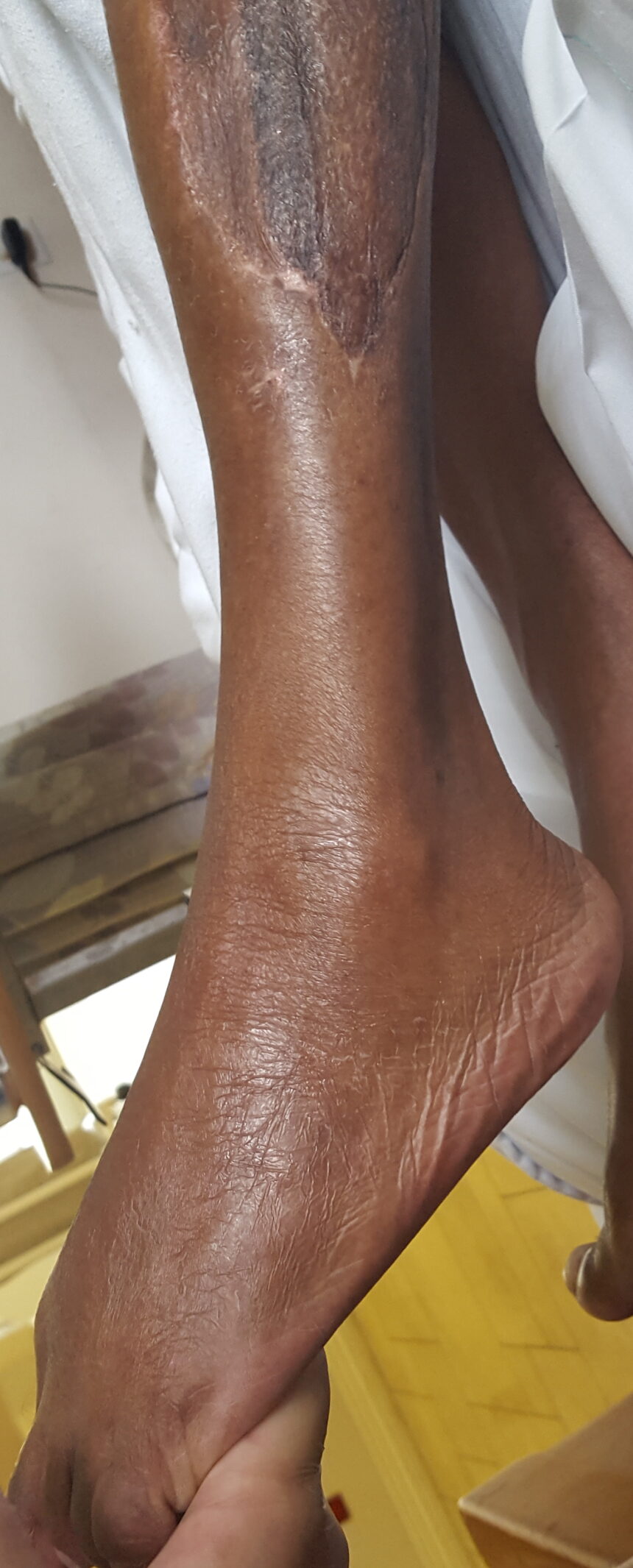
    For many post-stroke patients, regaining the ability to walk is one of their most important goals. However, severe ankle contractures—where the foot becomes stuck in a downward-pointing position (equinus deformity)—can make walking nearly impossible. This condition forces patients to walk on their toes, leads to instability, and in many cases, confines them to a wheelchair. Unfortunately, many are told that their only options are bracing, aggressive physical therapy, or even amputation.

    However, there is a highly specialized surgical approach that can gradually correct this deformity and restore the foot to a functional walking position. Dr. Philip Wrotslavsky, a  board-certified foot and ankle surgeon, is one of the very few specialists in the world that is performing gradual deformity correction for post-stroke ankle contractures. His advanced techniques have successfully helped patients regain their mobility and independence.

    Why Does the Ankle Become Contracted After a Stroke?

    After a stroke, many patients experience spasticity—a condition where muscles become excessively tight and difficult to stretch. Over time, the calf muscles and Achilles tendon tighten, pulling the foot into a downward position. This can make it nearly impossible to place the heel on the ground when walking, leading to:

    • Toe-walking or instability
    • Severe gait abnormalities
    • Painful pressure sores from bracing or improper foot positioning
    • Increased risk of falls and further injury
    • Loss of mobility and reliance on wheelchairs or walkers

      equinus ankle
      equinus ankle

    Advanced Surgical Correction: Gradual Deformity Correction

    Dr. Wrotslavsky specializes in gradual deformity correction, a highly advanced and precise technique that allows the contracted ankle to be straightened over time rather than through a single, high-risk surgery. This method has significant advantages over traditional procedures, such as tendon releases or aggressive Achilles lengthening, which often lead to incomplete correction, instability, or weakness.

    How Does Gradual Deformity Correction Work?

    1. Specialized External Fixation – A minimally invasive external fixator is applied to the lower leg and foot, allowing for controlled correction of the ankle position over time.
    2. Slow, Safe Adjustment – The device is gradually adjusted to stretch the tight muscles and soft tissues, repositioning the foot while preserving strength and function.
    3. Custom Rehabilitation Plan – Once the correction is achieved, a personalized rehabilitation program helps retrain the muscles and nerves for walking.

    Why Dr. Philip Wrotslavsky?

    Dr. Wrotslavsky is one of the very few surgeons in the world with the expertise to perform this complex correction. His extensive experience includes:

    • Board certification in foot and ankle surgery
    • Chief fellowship training at the prestigious International Center for Limb Lengthening, specializing in deformity correction and limb salvage
    • Over 18 years of private surgical practice and 24 years of operating room experience
    • Internationally recognized lecturer and author of peer-reviewed medical journal articles on deformity correction and limb salvage
    • Patients travel from across the country to seek his expertise in correcting post-stroke ankle contractures and restoring mobility

    Offering Hope to Those Who Want to Walk Again

    Many post-stroke patients have been told they have no options for walking again with a normal foot position. That is simply not true. With the right expertise and treatment approach, it is possible to straighten the foot and restore the ability to walk, as long as the patient is determined to walk again.

    At the Advanced Foot and Ankle Center of San Diego, Dr. Wrotslavsky provides second opinions to evaluate all possible treatment options—including solutions that many patients and even other doctors are unaware of.

    If you or a loved one is struggling with an ankle contracture after a stroke and wants to explore options for walking again, contact our office today to learn how Dr. Wrotslavsky’s expertise in gradual deformity correction can help.

  • Common Injuries in Young Dancers: Ballet & Rhythmic Gymnastics

    Common Injuries in Young Dancers: Ballet & Rhythmic Gymnastics

    Common Injuries in Young Dancers: Ballet & Rhythmic Gymnastics

    With over 20 years of experience treating dancers, Dr Philip Wrotslavsky DPM FACFAS founder of the Advanced Foot and Ankle Center of San Diego understands the unique physical demands placed on young ballet dancers and rhythmic gymnasts. These athletes push their bodies to achieve extraordinary movements, often leading to overuse injuries if not properly managed.

    By focusing on accurate diagnosis, personalized treatment plans, and proactive injury prevention, Advanced Foot and Ankle Center of San Diego has successfully helped countless young dancers recover and return to performing at their best. Below are three of the most common injuries seen in young dancers, along with effective treatment and prevention strategies.

    1. Ankle Sprains and Instability

    Why It Happens

    Ankle sprains occur when the ligaments supporting the ankle are overstretched or torn. This frequently happens when a dancer lands incorrectly from a jump, rolls through an unstable pointe position, or missteps on demi-pointe. Recurrent sprains can lead to chronic instability, increasing the risk of long-term damage.

    Treatment & Prevention

    • Early Intervention – Immediate treatment reduces swelling and prevents further injury. Initial management includes immobilization, compression, and ice therapy.
    • Strength & Stability Training – Customized rehabilitation programs focus on strengthening the foot and ankle muscles to restore stability and prevent future injuries.
    • Proprioception Exercises – Balance and coordination drills, such as single-leg exercises and controlled landings, improve neuromuscular control and reduce the risk of re-injury.
    • Taping & Bracing – For dancers prone to recurrent sprains, temporary bracing or taping techniques may be recommended during performances or intense training periods.

    2. Stress Fractures

    Why It Happens

    Stress fractures are tiny cracks in the bone caused by repetitive impact and overuse. In dancers, they often occur in the metatarsals (foot bones) and tibia (shin bone). Overtraining, improper flooring, and nutritional deficiencies can contribute to the development of stress fractures.

    Treatment & Prevention

    • Accurate Diagnosis – Clinical assessment and imaging, such as X-rays or MRIs, are used to confirm stress fractures and determine their severity.
    • Activity Modification – While rest is crucial, maintaining strength through modified training is essential to avoid muscle atrophy.
    • Nutritional Guidance – Ensuring adequate calcium, vitamin D, and overall nutrition supports optimal bone health and prevents future fractures.
    • Gradual Return to Dance – A structured return-to-dance program focuses on progressive load-bearing activities to prevent re-injury and rebuild endurance.

    3. Achilles Tendinitis

    Why It Happens

    Achilles tendinitis results from repetitive strain on the Achilles tendon, often due to excessive pointe work, overuse, or improper biomechanics. Without proper treatment, the condition can progress to a chronic issue, leading to prolonged recovery times.

    Treatment & Prevention

    • Eccentric Strengthening – Heel-lowering exercises are incorporated to rebuild tendon strength while reducing inflammation.
    • Biomechanical Assessment & Correction – A thorough evaluation of technique, foot alignment, and muscle imbalances helps address movement patterns that may be overloading the tendon.
    • Soft Tissue Therapy – Manual therapy, massage, and modalities such as shockwave therapy can improve circulation and accelerate healing.
    • Gradual Load Progression – A structured rehabilitation program ensures a safe return to training, gradually reintroducing jumping and pointe work.

    Conclusion

    For over 20 years, Dr. Wrotslavsky has provided expert care for dancers, ensuring they receive specialized treatment tailored to their unique needs. By prioritizing proper technique, strength training, and early intervention, young dancers can minimize their risk of injury and continue to perform at their highest level.

    Pain should never be ignored. Addressing injuries early leads to better outcomes and a stronger, more resilient dancer. If heel pain, ankle instability, or tendon issues are affecting performance, seeking professional care can make all the difference in a dancer’s long-term health and success.

  • Chronic Pain of the Foot and Ankle


    Suffering from chronic pain of the foot and ankle requires a multimodality approach.  One can get chronic pain in the foot and ankle for many reasons such as CRPS otherwise known as complex regional pain syndrome, or after trauma or multiple fractures, and also after surgeries 1 can develop chronic foot and ankle pain.  With our increased knowledge in pain management therapies is imperative that we think beyond just the opioid treatments.  Is well-known that opioid treatments with medications such as Percocet and oxycodone can have addictive properties as well as issues with sleep and also when one becomes dependent on these medications the efficacy wears off.  It is important to realize that there are other treatments besides pharmacological treatments and taking pills.

    Over the last few years, there have been introduced to the market as a method of pain management the concept of implantable nerve stimulators.  These were devices that were originally approved for implantation in the back by the spinal column in order to address the pain at the level of the nerve where is exiting the spinal Column.  The name of this treatment is called peripheral nerve stimulation otherwise known as PNS.  The idea of peripheral nerve stimulation has been around since the 1960s, it was in 2012 that there were a number of devices that were introduced to the market that were just approved for spinal implantation.  Currently, there is available on the market a product by stim wave that can be implanted around the nerves of the foot without the need to implant a battery into the foot.  The way this works is that a very small tiny wire is implanted under the skin next to the nerve that is affected and causing the pain.  The way that you get the pain relief is once the small wire that is implanted under the skin is inserted, it becomes activated by an outside activation source that you as the patient can control.  This electrical signal will block the pain messages that are getting sent to the brain from the nerve.  You may feel a small tingling sensation that over time will block the pain and overtime reduce the pain to the point where you will not need to be dependent on pain medications. This is done as a trial prior to permanent implantation.  The trial is run for a week and if you do well with it then there can be a permanent implantation done at that time.  The way this works on a nerve level is the year is an electrode that delivers rapid electrical pulses to the nerve which is actually controlled by the patient to the level that the patient likes in order to get the results that they are looking for.  This is not a TENS unit it works in a very different way TENS units are applied onto the skin this is applied right against the nerve.  As well it uses a different electrical pulse in order to help relieve the nerve.  The main indication is for treatment of chronic pain.  Types of chronic pain in the foot can be from posttraumatic pain, pain from multiple surgeries, complex regional pain syndrome, and diabetic peripheral neuropathy.  However, it is not just limited to the symptoms but these are the most common symptoms.

    Stimwave’s StimQ Peripheral Nerve Stimulator System (PNS) utilizes the same technology as the Freedom SCS System. A neurostimulator with electrodes and a receiver to utilize wireless RF power is placed near a peripheral nerve in your body, below the head, to treat your chronic pain. Fitting through a needle-sized incision allows for placement with minimally invasive surgery, typically as an outpatient procedure.  Once implanted you CAN go into an MRI machine if needed for something else.

    Before the device is implanted permanently, there is typically a trial period to determine if the therapy is effective for your chronic pain. PNS is covered by most insurance plans.

    If you are interested in looking for an option that can help you with pain control for chronic foot and ankle pain consider the Stimwave’s StimQ Peripheral Nerve Stimulator System. We offer this treatment at the Advanced Foot and Ankle Center of San Diego. Make an appointment today to help ease your foot and ankle pain.

  • Orpyx Orthotics Help Prevent Diabetic Foot Ulcers from Recurring

    There are over 136 million people in North American that have diabetes or are pre-diabetic. If you are reading this, odds are you are one of them. When you have diabetes there are a lot of things going on that you must watch for. Many people with diabetes, about 70%, have a condition called neuropathy, which means you can’t feel your feet. When you can’t feel pain in your feet it means you can’t feel when there is an issue, like a rock in your shoe, laces tied too tight or too much pressure being placed on the bottoms of your feet. These situations can quickly develop into wounds, which if not managed appropriately can last for years and in the worse cases end up with an amputation. Orpyx orthotics can help prevent diabetic foot ulcers from recurring.

    Somewhere in the world, a leg is lost to diabetes every 30 seconds, but the good news is 85% of the time this can be prevented with proper care. FINALLY, a solution!

    Recently a new technology from Orpyx® Medical Technologies caught my attention. It is a sensory custom orthotic system that monitors movement, pressure, and temperature on the bottom of your feet. It provides real-time alerts and offloading instructions when sustained, high-pressure levels occur. This is all done through a mobile app that is downloaded to a smartphone or through a display device provided by the company. You and your healthcare provider can use this information to help prevent these wounds from recurring and keep your feet healthy. In fact, a study was recently published with people that had diabetes, neuropathy, and at least one wound in the past twelve months. During the 18 months of the study, these patients saw an 86% reduction in the diabetic foot ulcer reopening using the Orpyx® SI technology.

    The best treatment plan for diabetic foot ulcers is to prevent them from happening. Orpyx SI sensory insole ( custom-molded orthotics) system is one way to help keep your feet healthy. Check them out! Orpyx custom-molded orthotics can help prevent diabetic foot ulcers from recurring.

    digital orthotics
  • 3D Printed Surgical Implants For Charcot Foot Surgery

    3D Printed Surgical Implants For Charcot Foot Surgery

    3D Printed Surgical Implants For Charcot Foot Surgery

    3D Printed Surgical Implants For Charcot Foot Surgery

    Today with advances in technology we have the ability to perform surgical corrections of deformities like never in the past. With the advent of 3-D custom printed implants we can now correct deformities of the foot and ankle with accurate precision. Many deformities of the foot and ankle do not have the proper implants to correct the deformities because of the unusual nature of these issues. Particularly Charcot foot and ankle deformities. When performing surgical correction of the charcot foot the surgeon must be prepared in the operating room with many backup hardware fixation methods as the Charcot deformity can be very challenging to treat.

    Why 3-D implants for the foot?

    Now with the advent of 3-D printing of surgical implants I can accurately plan out for an exact correction of the deformity and perform the surgery without any complications. As my practice focuses on limb salvage and charcot foot correction I have significant experience in all types of hardware for foot and ankle fixation. I have performed as to date the only 4 Web 3-D custom printed implants in San Diego California. First the patient is seen in the office and evaluated to see if they are candidates for the surgery. many times the patient will come to my office and be told by multiple surgeons that they need their foot amputated and that Dr Wrotslavsky specializes in amputation prevention. Next a CT scan is ordered and we create 3-D cad images to recreate the deformity digitally. Once that is done I have a special web based meeting with designers of the implant and we plan out the design . After that the implant is created and shipped for individual use. The future of surgery is here today with custom printed implants. Do not settle for an amputation come in today to see if you are a candidate for a custom 3-D printed implant.

    3-D Printed Surgical Implants For Charcot Foot Surgery

    4 Web 3-D printed implant
    3D Printed Surgical Implants For Charcot Foot Surgery
  • Achilles Tendon Rupture Repair

    Achilles Tendon Rupture Repair

    Achilles Tendon Rupture Repair

    Achilles Tendon Rupture Repair

    POP, you feel it in the back of your ankle. It can feel as if someone slugged you with a bat in the back of the heel. You fall down and can barley walk on the foot. Overnight the ankle and heel get swollen and purple. When walking you barley have any muscle strength to move your ankle up and down You end up getting evaluated and diagnosed with an Achilles tendon rupture. What next. The Achilles tendon is the strongest tendon in the body. It is the tendon responsible for pushing the foot down. For example walking up and down stairs and even getting up from a chair are crucial to have a working Achilles. There is evidence that shows to cast these injuries and let the tendon re attach by itself. However what you do not read about is the re-rupture rate after this method of healing. It has been reported that after casting torn Achilles tendons they can re rupture 20% of the time. Surgically repaired tendons show as low as 1% re rupture. Just a few weeks ago I had a patient that was casted elsewhere and not even 9 months later there was a full re rupture, he was so disappointing because he was immobilized for closed to 3 months with the old method.

    The good news is that there is a new approach to Achilles surgeries, that has overtaken the old method with long incisions and lots of scarring.  This minimally invasive approach uses a calibrated jig that we pass the sutures through the skin and it locks down the Achilles and draws the 2 ripped sides together. This heals in a beautiful fashion with minimal scarring and faster return to activities. Having performed numerous Achilles repairs using both approaches, I can confidently say my patients are very happy with this approach and all have healed withing 4-6 weeks. With a 0% re rupture rate.

    Don’t leave your Achilles repair surgery up to chance, make sure you know your options as a patient that there are minimal invasive approaches to repair the tendon. And make sure your surgeon has performed many of them. Feel free to come in for an evaluation to see if this is the right procedure for you

    Dr Wrotslavsky is Board certified by the American Board of Foot and Ankle Surgery and completed a orthopedic fellowship in limb lengthening and reconstruction. He practices Foot and ankle surgery in San Diego with focus on sports medicine injuries , bunions , hammertoes, heel pain and Amputation prevention surgeries.

    Achilles Tendon Rupture Repair

  • Achilles Insertional Tendonitis Retrocalcaneal Heel Spur

    Achilles Insertional Tendonitis Retrocalcaneal Heel Spur

    Achilles Insertional Tendonitis Retrocalcaneal Heel Spur           Suffering with heel pain is not a way to live. Suffering with heel pain in the back of the heel that does not allow you to wear shoes with out the painful rubbing in the back of your shoe can be unbearable. The issue can present itself as a bump in the back of the heel that can feel like a burning sensation in the back of the heel. One may have a severe amount of pain when getting up in the morning. Your first steps can hurt a lot. X rays will confirm the presence of a spur in the back of the heel bone (otherwise known as the calcaneus). MRI will confirm if there are partial tears to the achilles tendon. There are meany treatments for this condition, it is referred to in the sports medicine field as Achilles insertional tendonitis with a  Retrocalcaneal Heel Spur. Physical therapy can sometimes be a help and is worth a try. Steroid injections can be helpful as well. The goal with those therapies is to reduce the inflammation. If there are tears or a spur and the physical therapy does not help then there is a great surgical option. I have a significant amount of experience in surgical care of this condition. Patients are very satisfied when they have the area repaired. As with any surgery one can give no guarantees of outcomes. However most of the time the patients are very satisfied . The video above shows the surgery being performed by Dr Philip Wrotslavsky director of the Advanced Foot And Ankle Center Of San Diego. You will see the heel spur being removed with the achilles being repaired.


    Achilles Insertional Tendonitis Retrocalcaneal Heel Spur

    Posterior heel spur

    Achilles Insertional Tendonitis Retrocalcaneal Heel Spur

    insertional Achilles tendonitis

    Achilles Insertional Tendonitis Retrocalcaneal Heel Spur

    heel spur

  • Ankle Equinus

    Does your ankle not move all the way up. Are you or your child walking with out your heel hitting the ground.  Then you may have a condition called equinus

    The Ankle Joint is a key joint in your lower extremity that your body rolls over in the process of propelling you forward during the gait cycle. You May hear about over pronation  as a major cause of foot pain. Let me tell you over-pronation is over rated. Foot pain can stem from a variety of bio-mechanical malfunctions. Today we will talk about equinus.

    Many scientific studies have shown a higher connection of ankle equinus and limited ankle range of motion as the source for many foot and ankle diseases. For example Heel pain and plantar fasciitis as well as heel spurs are directly related to a tight Achilles tendon. Ankle Equinus and a tight Achilles tendon has been identified as the culprit on Bunions and Hammertoes. Many diabetic foot ulcers and foot wounds are directly because of a contracture (meaning tight) of the Achilles tendon. The reason is that the ankle joint requires a specific amount of motion in the upward direction or else there are increase forces on the rest of the foot.

    Achilles stretching exercises are vital in helping you recover. Daily stretching such as hanging your heels of the back of stairs can help increase the motion in the ankle thus decreasing the forces on the rest of the foot. Physical therapy plays an important role in Achilles tendon therapy. Also night splints can provide stretching for over 8 hours at a time while you sleep.

    If all else fails there is a minor surgery where I stick a camera in the back of the leg with a 2 millimeter incision and using a tiny blade the tendon can be lengthened is less than 5 minutes. This as quite an amazing procedure that has dramatic results in pain relief.

    One must be thoroughly evaluated with proper Achilles range of motion tests to see if your motion is limited.

    equinus ankle
    equinus ankle

    dscn7032

  • Personal injury expert evaluation and testimony

    Personal injury expert evaluation and testimony

    Personal injury expert evaluation and testimony

    Personal injuries can be very stressful whether you have suffered from a personal injury or if you are being sued for causing a personal injury. The use of expert testimony will make or break your case many times. Foot and ankle expert testimony in personal injury cases should not be left to chance. Most lawyers will have their rolodex of experts that they have met over time. But it is worth reviewing for foot and ankle cases what makes an expert. There are 2 aspects of choosing an expert doctor one the doctors training and certification second what is the doctor’s experience with personal injury cases.  Lets focus on the training. In foot and ankle training the gold standard for board certification is from the American Board Of Foot and Ankle Surgery  ( ABFAS) There are other boards but the ABFAS stands above them all. This board requires the greatest amount of residency training with the most rigorous case documentation and testing to certify the doctor. They have 2 parts a Foot surgery and a reconstructive ankle portion as well. Make sure your expert doctor is properly credentialed.

    Next, besides the usual training a doctor has are they fellowship trained. This will elevate the expert status of your doctor. For example I performed a orthopedic fellowship in limb lengthening and limb reconstruction. You will be hard pressed to find many doctors that have this training .

    Personal injury expert evaluation and testimony

    Just because one claims they are an expert. what experience do they have as one. I personally have been an expert for plaintiffs and defense in many personal injury cases. As an independent medical examiner I have read through thousands of medical records evaluating of the records align with the current condition. Writing cost reports is an important part of an experts service for which i have written hundreds. And most important is the deposition and if needed to appear in court. Having done many of both, I have had much success swaying the outcomes of cases with my expertise.

    Whether you are a lawyer looking for a foot and ankle expert in a personal injury case or if you are a client doing your own research make sure your foot and ankle expert really is one.  Feel free to contact me with any questions you may have to help you in your case.

    Personal injury expert evaluation and testimony

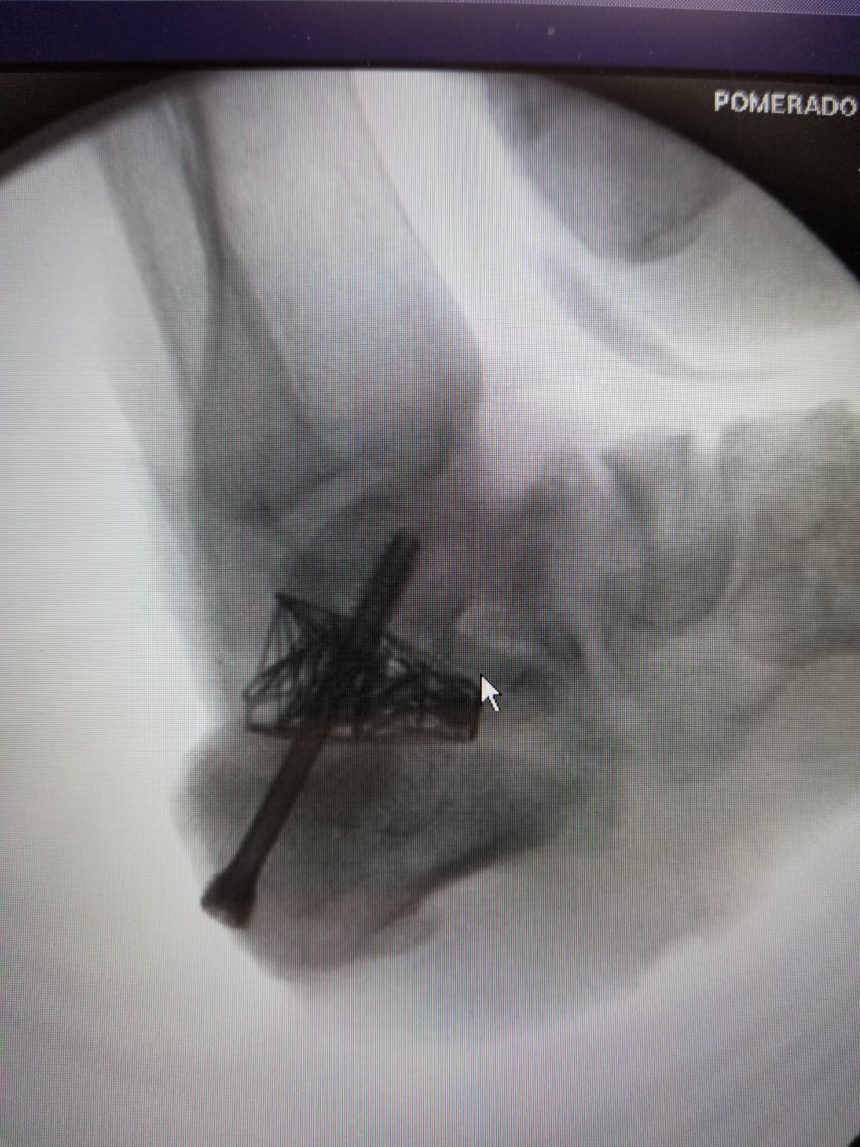
    below is a calcaneal heel fracture case resulting from a personal injury that i was the surgeon and expert witness on.