Advanced Foot and Ankle Center of San Diego

Category: Blog

  • Bunion Surgery testimonial

    Bunion Surgery testimonial

    Bunion Surgery testimonial

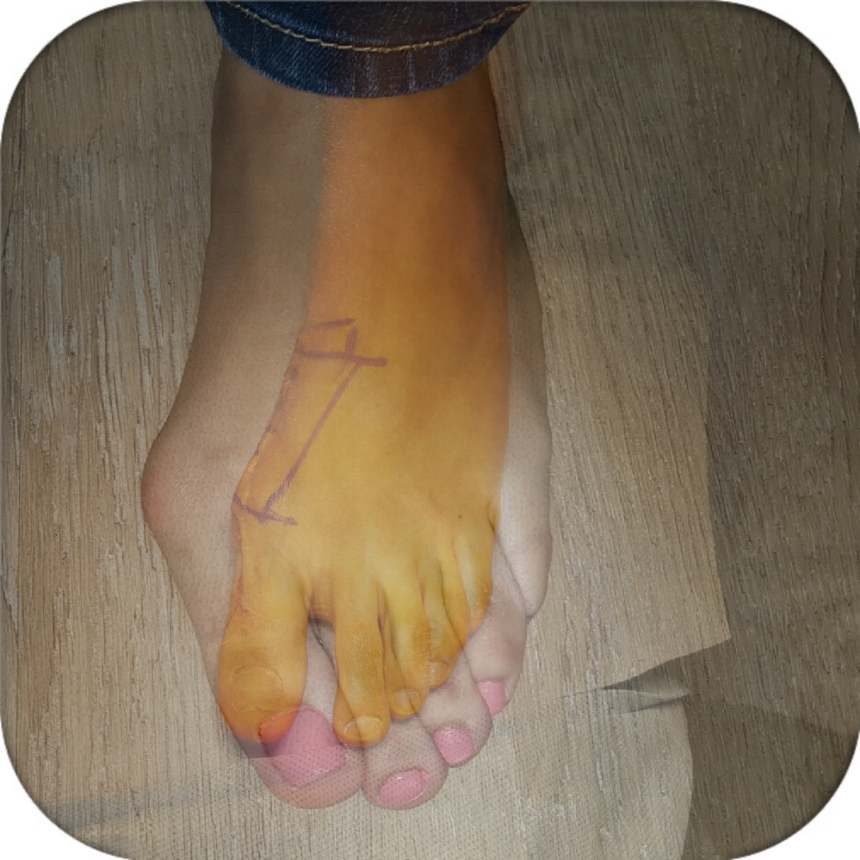
    Bunion surgery can be a scary commitment , who really wants surgery. Especially if you have to be off your feet for a few weeks. Maria who is a patient of mine wrote this to me. ” Dear Dr Wrotslavsky thank you so much for fixing my bunions. Prior to surgery i could not fit into any shoes. Now I can walk in all of my shoes pain free without my big toe rubbing on the side of the shoe. I was quite nervous prior to having the surgery ( who isn’t ?) but i am so glad i did it. The pain was not as bad as i expected. That shot you gave me before i woke up kept my foot pain free for 3 days. WOW. Thank you once again for fixing my bunion, your the best foot surgeon. PS , I told all my friends and they are coming to see you.”

    bunion surgery testimonial
    bunion surgery Dr Wortslavsky

    Above is a picture of an overlap of her foot prior to the bunion surgery and after the bunion surgery.


    Bunion Surgery testimonial

    Bunion surgery is not for everyone. It usually requires cutting of capsule , tendon ligaments and bone to re align the toe into the proper position. This should be done by someone who is well trained. I am double board certified in Foot and Ankle surgery by the American Board Of Foot and Ankle Surgeons. As well I did a 1 year extra orthopedic fellowship in limb lengthening and limb reconstruction. Always ask your surgeon for their credentials and how often they do that type of surgery. There are many new and advanced techniques that allow for much smaller incisions and allow for putting full weight on the foot much sooner than it used to be.  Bunion surgery must be approached with full understanding of the biomechanics of the joints of the foot as well as the artistic ability to make changes to the deformity with aesthetic outcomes.

    Feel free to contact me if you have any questions if you are a proper candidate for bunion surgery.
     

  • wound debridement advancements

    wound debridement advancements

    wound debridement advancements

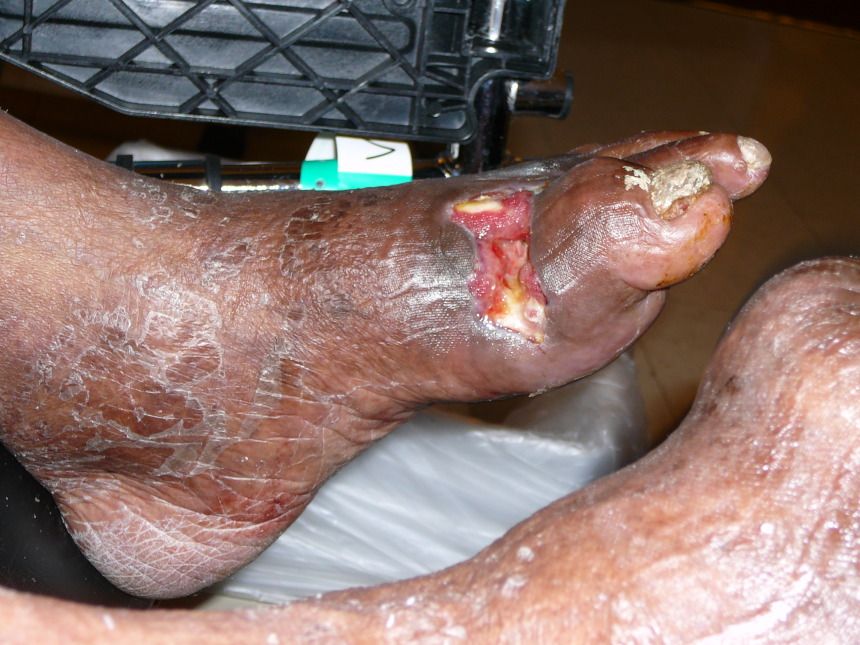
    Wound care of the foot and ankle today has come a long ways from years back of wet to dry dressings. With the growth of wound care centers and limb preservation programs we are able to heal wounds quicker than ever before. As well the need for amputations of toes , feet and legs are going down with proper treatment. One of the methods to heal wounds is debridement. This is just on part of the treatment and not the only thing that will heal a wound. One must remember that good blood flow and a environment free of infection and a deformity free foot are also important. healing wounds takes a multiple specialty approach that includes podiatry infectious disease specialists and vascular specialists.

    wound debridement advancement

    Wound debridement is the removal of non viable tissue from the bed of the wound. Many wounds that are slow to heal have overgrowth of tissue in it that slows down and prevents new skin to cover the wound. I compare it to a garden , how do you get a garden to grow grass you need to

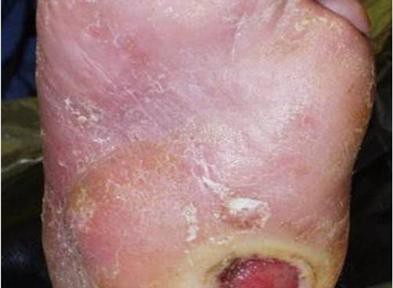
    Heel wound with gangrene
    Heel wound with gangrene

    image

    remove the weeds (debride the wound) water the grass (good vasculature and good circulation) and make sure there are no aphids and fungi growing ( remove bioburden such as infection).


    wound debridement advancements

    How does one remove the bad tissue from wounds?  Years ago the doctor would put a wet dressing on it and then it would dry and when it dried out the doctor would tear it off and along came with it the bad tissue. That was called a wet to dry dressing. We have moved away from that to much better techniques. Yes there is the classic method of using a scalpel , which works great. However the drawback to the scalpel method is that it inevitably removed healthy tissue along with it. Today there are 2 excellent water systems that remove the dead tissue one is the versajet

    The other is called Misonix

    this is myself performing a debridement with misonix

    Misonix tissue debridement


    These methods give an accurate way of removing dead tissue while maintaining the live tissue.

    One other method for which i have had tremendous success is the use of Santyl ointment http://www.santyl.com/  this is an ointment that removed the bad tissue and KEEPS the healthy tissue via enzymatic debridement. It uses collagenase to remove the unwanted tissue  and promote the growth of new skin tissue. So if you are going week after week to a wound care center for a foot wound or a diabetic foot wound or even a wound on your foot and leg from an injury of a surgery incision that has not healed  make sure to learn about these methods and see if they are right for you.

    Wound testimonial from a patient of Dr Wrotslavsky  (reprinted with patient permission)  ” Dear Dr Wrotslavsky, Thank you for caring for me and closing my wound. I was going to a wound care center for 6 months and my wound was not getting smaller. You were able to diagnose the underlying issue and took me straight to the operating room and cleaned it up. You then put a skin graft on it and now my wound is closed. I am so happy to be back in shoes , thank you”  Joan M.  La Jolla San diego.


  • Ankle Ligament Surgery Repair Testimonial

    Ankle Ligament Surgery Repair Testimonial

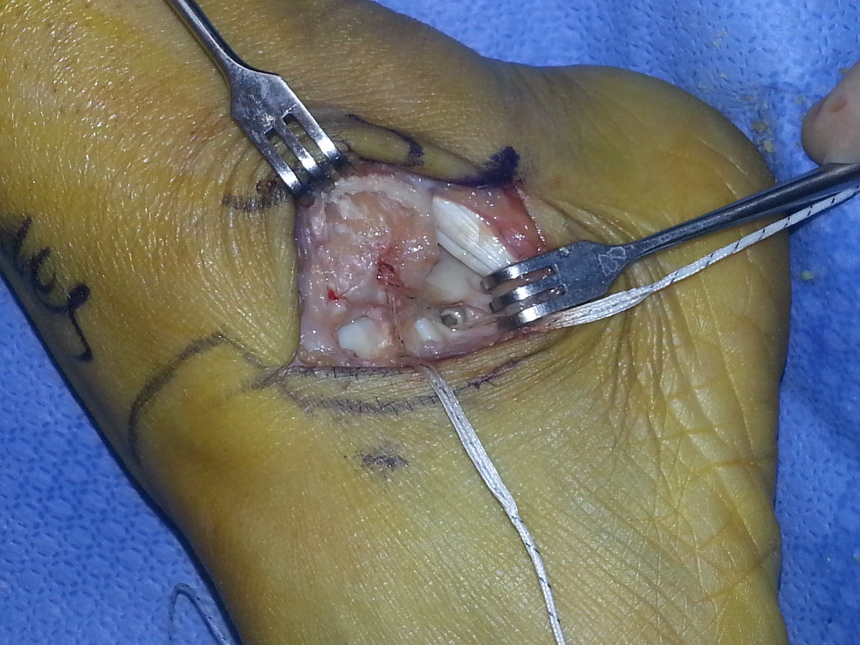
    ankle ligament tornAnkle ligament Surgery repair success story Testimonial

    Joseph M came to my office last year with an old ankle injury. He used to be an avid runner ankle ligament tendon recon2and loved it. He would run 3 marathons a year. Until one day he stepped off a curb and felt a pop in the ankle. Joseph went on through his day and thought the pain would resolve. He got home and the ankle was swollen and purple. It took a few months till it felt right, however when he played basketball or tried running he said it just did not feel right. It felt unstable. After a while it was constantly  getting sprained again. He always needed to run and walk with an ankle brace and it was frustrating for him.

    Joseph came to my office. A thorough physical exam was performed including X rays and an MRI. He exhibited classic signs of lateral ankle instability. He had a positive anterior draw sign. On his stress inversion X ray the ankle mortise opened up and on MRI it showed a torn anterior talo fibular ligament and a torn calcaneo fibular ligament.  Joseph was given a few options and tried some physical therapy. While that helped some he still didn’t feel the stability he wanted in his ankle

    Ankle ligament Surgery repair success story Testimonial

    Joseph chose to undergo an ankle ligament repair surgery. There are multiple ways to repair torn ankle ligaments. Joseph underwent a tendon grafting procedure where a tendon was anchored into the talus , fibula and calcaneus bone via a biotenodesis technique.  He was off the ankle on crutches and had a full recover 3 months later .

    It is now 2 years later and Joseph came in to tell me ” My ankle has never felt this good, I have not sprained it since the surgery”. ” My ankle feels so stable and strong, Thank you Dr Wrotslavsky”

    If you have an ankle that feels unstable or you are constantly spraining and straining your ankle, come in for an evaluation.


    ankle ligament repair
    ankle ligament repair
  • Ankle Arthroscopy testimonial

    Ankle Arthroscopy testimonial

    Jose is a patient of ours that was suffering from ankle pain for many years. He loved to play Basketball and ride his Felt road bike on the weekends. He had an ankle sprain 10 years ago and was told it’s not bad. But it never got better it always felt like a deep pain in his ankle and never felt right. He did not have instability. Now he is 30 years old and wants to be more active and just can’t survive on the court for more than 15 minutes without getting pain in his ankle.

    cartilage defect
    cartilage defect

    He came to my office and after a thorough physical exam and a digital gait exam and a digital x ray. We found the culprit on X ray, it was an osteochondral defect. The next move was an MRI. The ankle MRI showed a medial talar dome defect of 9mm in diameters which was unstable. Jose told me ” I have been to many doctors but you were the first to be able to figure out what was wrong with my ankle. Jose’s journey to a healthy ankle was just beginning.

    Ankle Arthroscopy testimonial

    Jose underwent an ankle arthroscopy. The procedure is done in an outpatient setting , meaning you go home that day. You are bought into the operating room and given a sedative to relax you. Then the anesthesiologist puts you to sleep. We use a special distraction technique to pull the ankle apart gently while letting the camera into the joint. In Jose’e case we put the camera in the joint and identified the defect in the cartilage. The bad cartilage was removed with special instruments and a donor cartilage graft was put in its place. we use two to three tiny poke hole incisions and they get one or two sutures a piece. After some physical therapy and a few weeks of letting the cartilage integrate Jose was back to light activities. Three months later he was able to do some moderate activities. and then one month after that he was back on the court .

    Jose wrote to me in an email ” Dear Dr Wrotslavsky Thank you for helping me in getting my ankle better. This is the first time in years I am pain free in my ankle. Just the other day i was able to play basketball for an hour without any pain , I am grateful for your work. “

  • Flatfoot treatment in children

    Flatfoot treatment in children

    If you went to ten doctors regarding a medical issue chances are you will get eleven opinions. If you went to ten doctors regarding their opinion on Flatfoot treatment in children you will probably get fifteen different opinions. Why is this so and what information should you as a parent use to make a decision.

    Flatfoot treatment in children

    The three major treatment options are either do nothing, or custom molded orthotics in their shoes. or corrective surgery to fix the flatfoot deformity. One thing to consider is that no 2 feet are alike and no two

    Flatfoot treatment in children
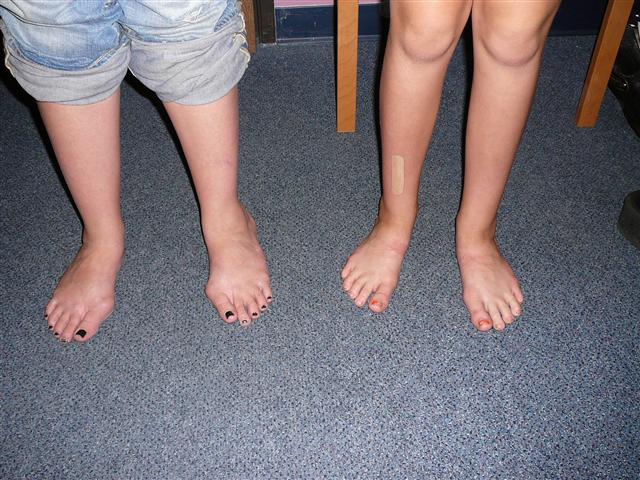
    mother daughter flatfeet

    flatfeet are alike. they come in different severities. That is where you need an expert to tell you how severe the flatfoot is. A foot exam is only part of the exam if you do not have standing weight-bearing x rays there is no way to measure the extent of the deformity. Then there is no way to really be able to decide what course of action as a parent you want to take. As well, an X ray can tell you if your child has a tarsal coalition- that is a condition where the bones have not separated in the foot and can be a big problem.

    The next criteria now that you had a exam including a gait analysis is to balance this with is this deformity causing pain and is the flatfoot causing your child not to participate in activities due to tiring easily.

    Flatfoot treatment in children

    There is much discussion as to if a child has a flatfoot, will they get arthritis in the feet when they are older? this has never sufficiently been answered in a large study. There seems to be a lot of anecdotal evidence that it may cause early arthritis. Think of a car that the tires are not properly inflated, the alignment with be off and you will oversteer the vehicle. As well your care will consume more gas. There are some studies that show people with flatfeet require higher oxygen consumption to perform the same activities as people with normal feet.

    Flatfoot treatment in children

    So now that you know if your child is having pain and you have had a gait exam a physical exam and an x ray. what should you do ? You can never go wrong with custom molded orthotics made by a pediatric trained foot doctor, it is like inflating the tires on your car. That is something that can help your child for many years to come. Surgery for flatfoot , that is the million dollar question. The simple answer only a good foot exam can really tell you if it is necessary. I was trained by an orthopedic surgeon that said all flatfeet should be fixed , just like if your child has knock knees you will surgically fix them so to with flatfeet. Some doctors only recommend surgery for extreme flatfoot cases. The answer lies somewhere in the middle. A severe deformity even without pain should be fixed to prevent future problems, a mild deformity with alot of pain should be fixed to get rid of the pain. Always try orthotics first to see if the pain resolves.

    Flatfoot treatment in children


  • Hallux rigidus success story

    Hallux rigidus success story

    Hallux rigidus success story

    Sarah is a patient of mine from San Diego. She was an avid runner and loved to play golf. Sarah is 56 years old and started over the last few years developing severe pain in her big toe of her right foot. It got to the point where she could not go out for a run anymore. Due to the fact it was so painful every time she pushed on he big toe. What made her even more upset was her golf game was totally off. Her timing on her swing was affected negatively. She could not even finish nine holes. She came to me after seeing a few doctors and was frustrated with her previous treatments. She tried orthotics and injections with no relief of her pain.

    Hallux rigidus success story

    When she first came to my office she did not have an x ray. Using our digital x ray machine that enables us to take exact measurements of bones and joints we were able to see the problem on the x ray.

    as you can see from the pictures above severe joint space destruction of the big toe was her issue. There are some fancy medical terms for it. Hallux Rigidus and hallux limitus are the two most common terms. There are many treatments available for this. Due to her advanced condition she elected to have a joint resurfacing procedure. We don’t like to perform fusions due to the loss of all motion with fusions. Here we have a saying “motion is Life”. The joint resurfacing is like a joint replacement of the big toe. The difference is that less bone is removed. I have over 8 years of follow up with my patients of joint resurfacings and there is consistent satisfaction and pain free range of motion of the big toe joint.

    Hallux rigidus success story

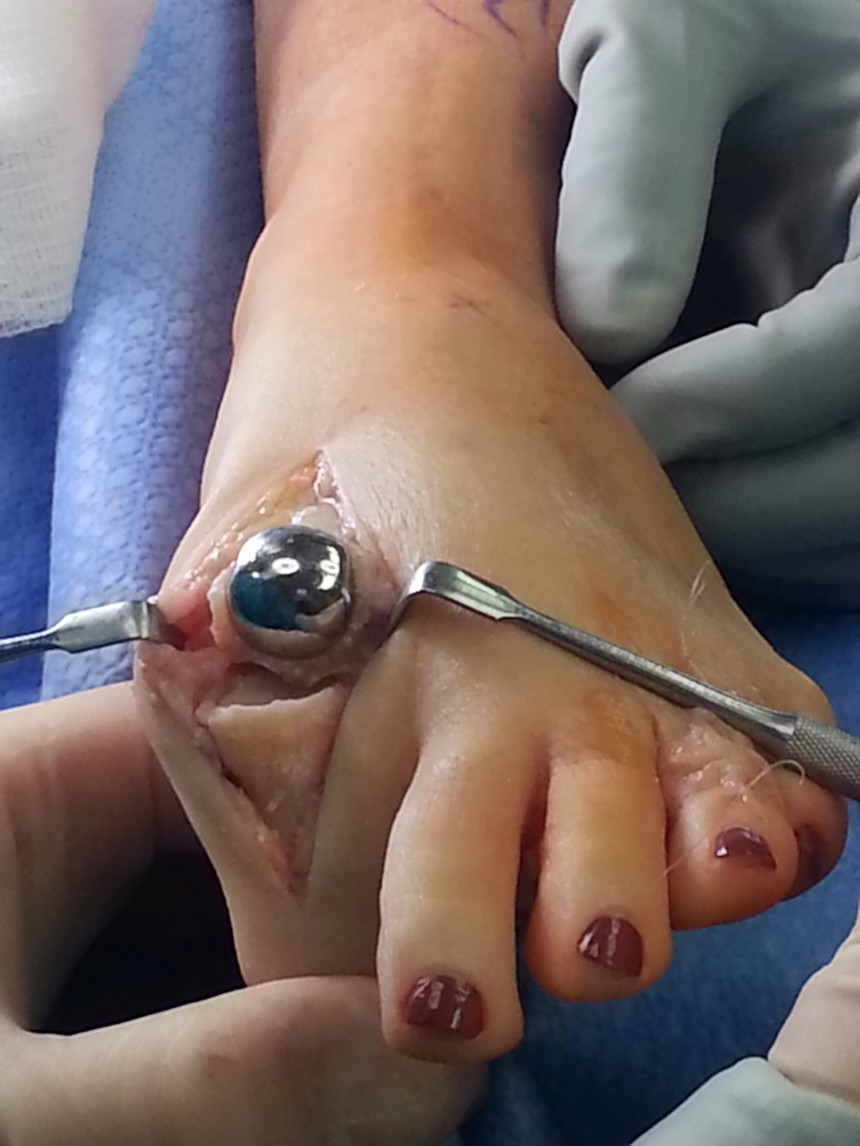
    Hallux Limitus and hallux rigidus can be painful to live with. Sarah underwent the successful surgery on her foot to resurface the joint using an arthrosurface toe implant.  Congratulations on your new toe.

  • Diabetic Foot Care San Diego

    Diabetic Foot Care San Diego

    Diabetic Foot Care San Diego

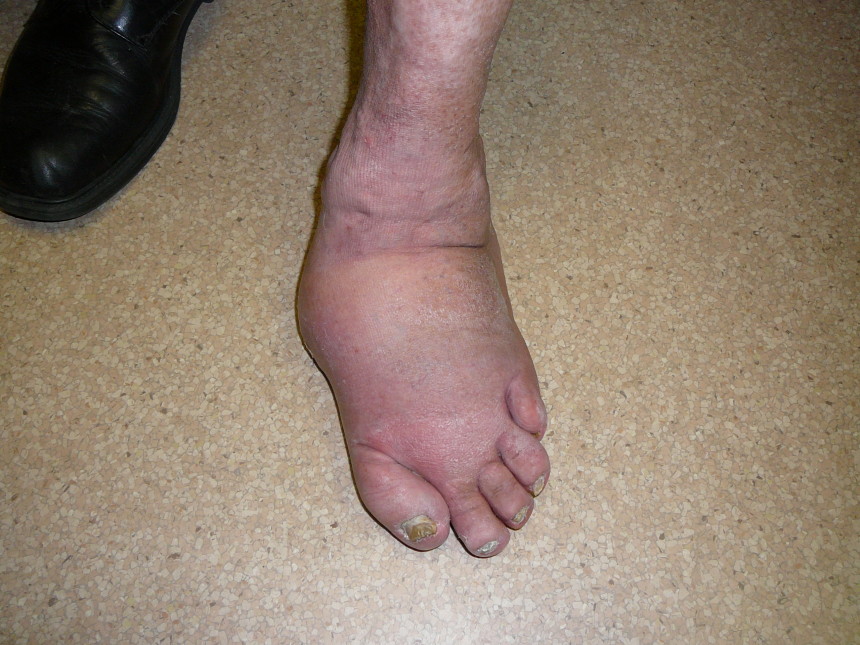
    Its a new year and time to take back your foot health. Diabetic foot care in San Diego is something that many specialize in. What makes it important is that diabetics have a propensity for circulation issues and nerve issues. Otherwise known as Peripheral vascular disease and peripheral neuropathy. These medical problems can lead to diabetic foot ulcers and diabetic foot wounds. As well Diabetics need to be careful for the dreaded foot infection that can lead to gangrene and amputation of toes or even a leg. Do not ignore a red hot swollen foot if you have diabetes is can be a sign of infection. Seek help of a medical professional. Also if your foot is changing shape it can be a sign of

    Pre surgery Charcot foot
    Pre surgery Charcot foot

    charcot neuroarthropathy. this can be very dangerous because if not treated properly it can lead to infection and amputation.

    Diabetic Foot Care San Diego

    While  we are lucky to live in a city that is warm all year and we get to wear sandals and walk barefoot on the beach as a diabetic you must always be on guard to protect yourself and to seek Diabetic foot care in San Diego.

    Here at the Advanced Foot And Ankle Center of San Diego we are board certified and fellowship trained in foot and ankle surgery with significant expertise in limb preservation and diabetic foot salvage. Not every infection needs an amputation. Our focus is limb and joint preservation. Using the latest non surgical and surgical techniques we have the ability to treat diabetic foot issues and spare you from losing a limb.

    Today diabetic foot care in San Diego has come a long way , we have the ability to use amniotic based skin grafting to stimulate wounds to grow new skin as well as platelet derived growth factor gels and debriding gels that help reduce the amount of sharp painful debridements that you may be undergoing .


    Also with the use of the taylor spatial frame we can correct difficult foot deformities as seen below. So please contact me directly with any questions. Diabetic Foot Care San Diego

    TSF charcot<div style=”padding:4px;”><p style=”color:#acbcc8 !important; font: 8px/11px arial, sans-serif !important;text-decoration:none !important; text-align: center”><a href=”https://booknow.appointment-plus.com/7g46c5c2/” style=”border:none !important;” id=”apclink” target=”_blank”><img src=”https://account.appointment-plus.com/ap/ap_buttons_v2/booknow/Style-9_green.png” alt=”Book an appointment with Advanced Foot and Ankle Center of San Diego” style=”outline:none !important; border:none !important;” /></a><br/>Powered by <a style=”color:inherit !important; text-decoration:none !important;” href=”http://www.appointment-plus.com/” target=”_blank” rel=”nofollow”>Appointment-Plus</a></p></div>

  • Heel Pain in Children

    Heel Pain in Children

    Heel pain in children can be a frustrating event for parents and their children alike. Typically heel pain in children

    heel pain in children
    calcaneal apophysitis

    will arise in nine to thirteen year old’s. I find it to be more prevalent in boys than in girls, but don’t dismiss it in girls. Many times i will have a parent present with their child  saying that he or she is very active in soccer or running or basket ball and their heel is hurting and they can not play anymore. It can come to the point where your child with heel pain is hobbling around.  Heel pain in children can arise from a few different causes. many times a tight Achilles tendon or an ankle equinus can bring about a over pull on the attachment to the heel bone otherwise known as the Calcaneus. This shortening of the achilles tendon then can cause an inflammation of the growth pate in the heel bone. This is known as Sever’s disease or Calcaneal apophysitis. The good news is that heel pain in children is easily treatable. Other reasons from a biomechanical standpoint that can cause this is excessive pronation which can cause a cascade effect along with a tight heel cord.

    So you are now asking how do you treat heel pain in children. It is very important to come in to a podiatrist with experience in pediatric feet in order to evaluate this. A thorough lower extremity physical exam and biomechanical exam is very important. As well as an x -ray to rule out unusual things that may not be obvious in an exam. There can be the odd stress fracture or even a tumor growth in the heel causing the pain. That is why we dont internet diagnose ourselves and especially our children.

    Heel pain in children can many times be solved with custom molded orthotics made by a podiatrist with experience in these issues. Stretching and physical therapy can play an important part to the treatment regimen as well. So make an appointment today if you or your child has heel pain so we can get you back to your activities.

    calcaneal apophysitis heel pain in children


    heel pain in children
    Severs disease
  • Charcot Foot Reconstruction part 2

    Charcot Foot Reconstruction part 2

    Charcot Foot Reconstruction part 2

    In a previous post you were introduced to the concept of the charcot foot and its collapse. In This post I will talk about the innovative ways we correct this foot and save these legs from being amputated.

    Charcot foot reconstruction has gone through an evolutionary process from amputation to placing the bones in the corrected areas to fusing the diseased joints. There has been an evolution of the hardware used from screws to plates to locking plates and to beaming the columns of the foot. The downside to single stage corrections also known as acute corrections is that one gets a smaller foot because allot of bone needs to be resected out to obtain the correction then the screws and plates are put in to maintain the correction. During that acute correction there is also a risk of pulling on arteries and nerves beyond its ability to compensate in one setting.Nerve pull  tibia Nerve pull calcaneusAs you can see from the pictures on the left when you move the bones in the foot around you can pull on the nerves of the foot. In a charcot foot which is usually in a rockerbottom position you can stretch and pull on the posterior tibial nerve and the posterior tibial artery that runs along with it. As well the dorsalis pedis artery and the dorsal foot nerves are at risk. Historically many of these procedures have failed in the past because the surgeon attempted to do the correction in one shot and thereby putting the nerves and arteries of the foot at risk. In upcoming blogs we will discuss how to perform the 2 stage procedure ( do not do this at home) and you will see some x rays of the final product.

    As always feel free to email me with any questions.

    Charcot foot
    Charcot foot
    Charcot foot
    Charcot foot

    Charcot Foot

    Pre surgery Charcot foot
    Pre surgery Charcot foot
  • Mobilegs Ergonomic crutches

    Mobilegs Ergonomic crutches

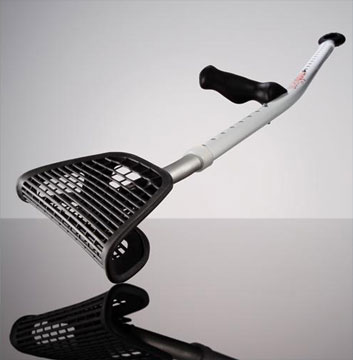
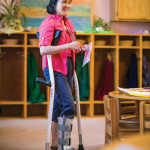
    It’s time to change the way we think of traditional crutches. In this day and age injuries that require crutches have to be re-imagined for patient care, compliance, comfort level and safety. We welcome Mobilegs – Ergonomic Crutches that deliver comfort and stability. The unique design, comfortable feel and spring assisted performance is what sets this crutch apart from the rest.

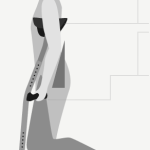
    Standing with Mobilegs

    The handgrips face the rear side and point towards the outward position. The bend located in the shaft will be facing to the front and flows with the natural curves of the hips which is slightly away from the hips.

    The tripod position is the position you start to walk in using Mobilelegs. To begin in this position, you place the crutches to the front side of each foot about 4” to 6” inches away. Then stand on the better foot, placing most of your weight on the better foot. It is going to be a little bit of process, doing this for the first time. As with learning anything, but once done, you will see what a breeze; and how successful it is to walk using the spring-assisted crutches by Mobilegs.

    Here at the Advanced Foot And Ankle Center Of San Diego we have been giving our patients Mobilegs for use for injuries such as fractures and bad sprains as well as for use after surgeries that require being off their feet for a few weeks. Our patients have loved the ease of use and the ability for them to be able to get around and continue their life as normal.  They are impressed with the comfort and ease of use as well as less soreness in their arms and shoulders that people usually get with conventional crutches. At our center we care about every little detail to help in your recovery all the way down to the crutches.