Advanced Foot and Ankle Center of San Diego

Category: Foot and ankle Ulcers and wounds

wounds and ulcers of the foot and ankle. Diabetic, pressure ulcers, Post injury, non healing surgical wounds.

  • Charcot Foot And Ankle Update

    Charcot Foot And Ankle Update

    Charcot Foot And Ankle Update, San Diego charcot foot specialist

    Charcot neuroarthropathy of the foot and ankle may be the most devastating disease of the foot. However the treatment options keep getting more promising. I just returned from Dallas, Texas where I was a lecturer and on the faculty of a Charcot solutions seminar. That was given for many surgeons that treat Charcot. The challenges are many but there is much promise ahead. I will now share with you some of the insights that the leading charcot surgeons in the United States had.

    Charcot foot

    I had the privilege to be on the faculty in this course along with Dr Gerard Cush, Dr Scott Denisar, Dr William P Grant and Dr Guido Laporta. These respected surgeons along with myself have published and created many surgical procedures specific to preventing the diabetic charcot foot and ankle from getting amputated.

    Playing for all the chips, Charcot of the ankle has a very high incidence of amputation.  Charcot of the ankle should be considered a medical emergency. There are now advanced treatments in preventing joint dislocation and deformity because of charcot ankle with distracting out the joint and maintaining the correct position. If not treated as soon as possible ones chance for amputation significantly goes up.

    Consider intranasal calcitonin for Charcot. Once Charcot is diagnosed Intranasal calcitonin  can be very effective in normalizing the charcot process.

    Limb salvage for Charcot shows it is cost effective and is successful 75-90 percent of the time. Unfortunately there are many physicians that are misinformed about charcot surgery and it’s successful outcomes. Charcot foot surgery , when performed by a surgeon with much experience in charcot disease can be successful . Make sure to ask your surgeon how many of these have you done and show me the before and after pictures.

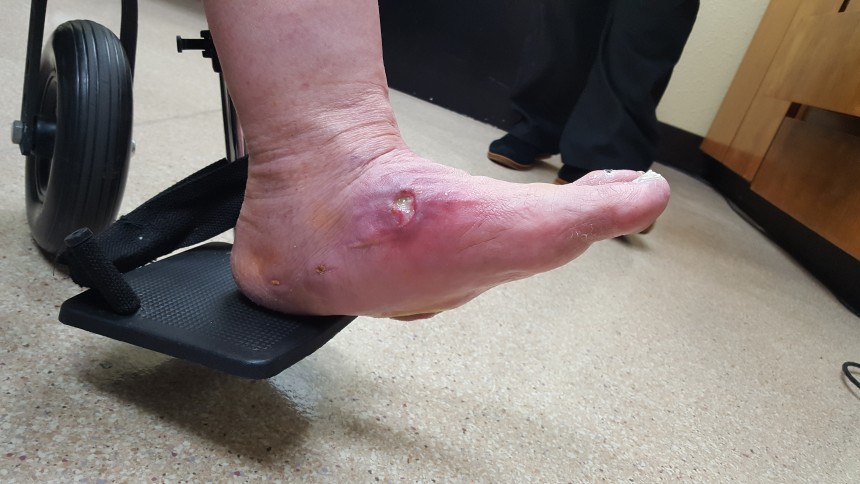
    Bottom line, if you have a red hot swollen foot , come in immediately for care.  It Could be Diabetic Charcot foot , the clock is ticking. ( One can be affected by charcot foot even without diabetes- so do not dismiss a red hot swollen foot). So if you need a San Diego charcot foot specialist you have come to the right place , please call for an appointment now.

    Charcot Foot And Ankle Update

  • Early Detection Of Charcot Foot

    Early detection of charcot foot has been something that has been vexing doctors for a long time. Charcot foot usually presents as a warm swollen foot. The patient feels as if they may have sprained a ligament . They are not feeling sick. Most doctors when presented with a red hot foot think infection , and the patient gets started on antibiotics. Antibiotics do not do anything for charcot foot.

    Charcot foot
    Charcot foot

    The charcot foot and ankle MUST be immobilized and put in a position where no weight can be put on it. One can have a total contact cast applied or an external fixator put on in order to prevent further breakdown of the foot or ankle. On a cellular level there is a lot happening where there is resorption of bone and weakening of ligaments. At this time there are no accepted blood tests or x rays that can confirm whether one is undergoing a charcot process. I am on a committee that consists of a group of international surgeons that treat charcot, there was a consensus that diagnosis of this condition is based on doctor expertise. To often doctors are unwilling to admit they do not know what is going on with the patient and they fail to refer out the patient to someone who is knowledgeable in charcot foot.  by then it can be too late . the foot will lose its structure, then you are left with a large deformity.  These large foot deformities result in extra pressures from displaced bones. Then the patient will require a different type of surgery to correct the deformity and get rid of any current infections.

    A common story that I deal with  is a patient will come in with a wound on the bottom of the foot and they will say the foot gave out a few months ago and then they developed a wound. X rays will show a big deformity. Good news is that with special surgical procedures available these conditions can be fixed.

    So if you need a San Diego charcot foot doctor you have come to the right place , please call for an appointment now.

  • Cellutome Diabetic foot wounds

    Cellutome Diabetic foot wounds

    Diabetic foot wounds are a serious issue that needs serious treatment. Many diabetics walk around with wounds on their feet that are not getting properly treated. A highly trained foot surgeon should be a part of the team evaluating and treating these wounds. After making sure there is no infection and that there is no deformities causing pressure areas that are contributing to the wound , your doctor will advise you on how to treat your diabetic foot wound.

    The topic of skin grafting has come up many times as to its appropriateness with regard to its being used as a treatment for diabetic foot ulcers. There are many types of skin grafts such as a split thickness skin graft or a full thickness skin graft. Typically for large wounds a split thickness skin graft is used successfully in covering skin defects allowing your wound to heal. However those types of grafts have its drawbacks. First, the surgeon has to harvest skin from your thigh to move it to the other part of the body. A specialized instrument called a electric dermatome is used to take off the skin. This instrument is like a  peeler, where you get a very thin slice of skin and move it the area of the body that needs it.  The problem that arises is that now you have a second wound created that can be painful and it is a trip to the operating room.

    Today there is a new device called Cellutome. This advanced skin harvesting system will take a small layer of skin from your thigh in the office. No trip to the operating room.  There is no pain when harvesting the skin and the donation site heals within a few days. The graft can take as quick as 7 days. below the videos you will see a patient that had a wound for 4 months and healed within a week of applying the skin graft that was harvested with the cellutome system in our San Diego office location.

    If you or a loved one has a wound of the foot , ankle or lower leg call us today to see if you are a candidate for this procedure.

    Cellutome Diabetic foot wounds


    https://youtu.be/OrI_kLPocXo

    Cellutome Diabetic foot wounds

    Cellutome Diabetic foot wounds

  • Misonix Ultrasonic bone Scalpel

    Misonix Ultrasonic bone Scalpel

    Misonix Ultrasonic bone Scalpel

    I would like to introduce to you a great new innovation in bone surgery called the Misonix ultrasonic bone scalpel.

    Misonix Ultrasonic bone Scalpel

    This is a device that allows for accurate removal of bone when necessary with out the complications that can arise while using traditional bone saws. Many foot surgeries call for the  removal of bone or to cut bone. Sometimes there is infected bone such as osteomyelitis that needs to be removed . Sometime there are fractures that healed in the wrong position or did not heal at all that is known as Malunions and Nonunions.  these bones may need to be recut to put them back in the proper position. The challenge in these cases is that the bone can either be to hard or too soft. These suboptimal conditions can lead to inaccurate bone cuts or increased heat while cutting the bones of the foot or ankle. Which can cause the bone not to heal.

    The Misonix bone scalpel is a great addition to the operating room for these complex foot and ankle surgeries. using ultrasonic technology one can have accurate bone cuts while preserving the cellular content of the bone that is left behind. Thereby allowing the remaining bone to have the opportunity to heal properly.

    When we perform surgery we want to limit as much as possible any risks to vital structures. While it is impossible to remove all risk my goal is to make use of what is available to limit as much as possible. Using this device especially while performing appropriate MIS , minimal incision surgery we can perform deformity correction of the foot with limiting risks to vital structures such as arteries and nerves. Since there is the use  of ultrasound it limits many issues that arise when using the traditional bone cutters.

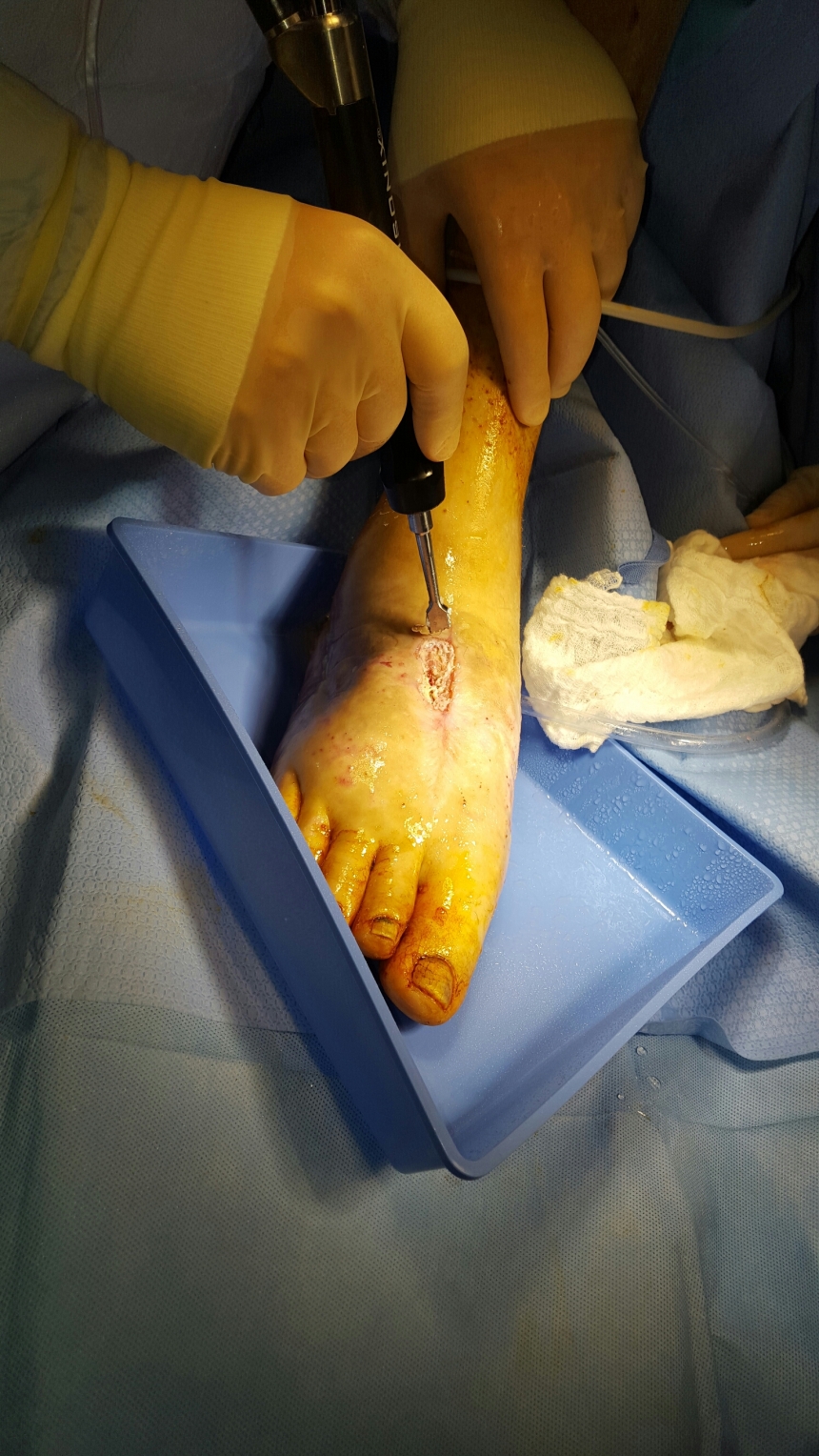
    Below is a video of myself performing a removal of extra bone from the ankle using the misonix bone scalpel.


    Misonix Ultrasonic bone Scalpel

  • Diabetic Foot Ulceration

    Diabetic Foot Ulceration

    Diabetes is becoming more common in our society. According to the National Diabetes Statistics Report,

    almost 30 million Americans in 2012 had diabetes. Diabetes can have a huge impact on your foot health.

    Long-term poor blood sugar control can affect the vascular system in your foot by damaging the blood

    vessels. This can decrease your ability to heal any injury or ulcer to your foot.

    Another complication of uncontrolled diabetes is peripheral neuropathy. This decrease in sensation can

    prevent a patient from detecting trauma or increased pressure to the foot. As a result an ulcer can

    develop and worsen before you realize there is a problem. Ulcers can be treated conservatively (non surgically) however

    sometimes they require surgical intervention in order to heal. Below is a case of patient treated and healed

    with strictly conservative treatment.

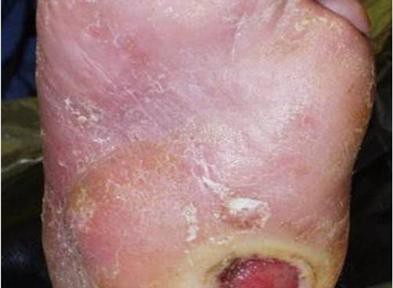
    A patient presented to my office with a diabetic foot ulceration that had been present for 18 months

    without much progress in healing (see picture below).

    Diabetic foot ulcer
    Diabetic foot ulcer


    The patient was treated with strict conservative care which included daily dressing changes, the patient

    being non-weight bearing the foot with a knee scooter, and debridements of the excess callous build

    up.


    In just 3 weeks the patient’s ulcer had improved by 87.9%.

    Diabetic foot ulcer visit 2
    Diabetic foot ulcer visit 2


    And just 7 weeks after starting treatment, the patient is now healed (see pic below).

    Diabetic foot ulcer 3
    Diabetic foot ulcer 3

    With good conservative care by both the patient and physician, a diabetic foot ulcer can be healed. This

    patient wished to avoid surgery and therefore had excellent compliance to the treatment plan. He will

    be placed in custom orthotics to help offload the area and continue to follow up with me to ensure that

    the ulcer does not recur.

    Here are a few tips to help diminish the development of a diabetic foot ulceration.

     Maintain consistent good blood sugar levels. This will help prevent development of vascular

    disease and peripheral neuropathy

     Check your feet daily. This will allow you to catch a small problem (like a cut or callous) before it

    becomes a big problem (like a diabetic foot ulceration).

     If you do have peripheral neuropathy, never walk barefoot. This can keep you from stepping on

    things without your knowledge that could progress to an ulceration.

     See your doctor once a year for a foot check. At this appointment your sensation, pulses, and

    skin can be checked for any potential problems.

  • wound debridement advancements

    wound debridement advancements

    wound debridement advancements

    Wound care of the foot and ankle today has come a long ways from years back of wet to dry dressings. With the growth of wound care centers and limb preservation programs we are able to heal wounds quicker than ever before. As well the need for amputations of toes , feet and legs are going down with proper treatment. One of the methods to heal wounds is debridement. This is just on part of the treatment and not the only thing that will heal a wound. One must remember that good blood flow and a environment free of infection and a deformity free foot are also important. healing wounds takes a multiple specialty approach that includes podiatry infectious disease specialists and vascular specialists.

    wound debridement advancement

    Wound debridement is the removal of non viable tissue from the bed of the wound. Many wounds that are slow to heal have overgrowth of tissue in it that slows down and prevents new skin to cover the wound. I compare it to a garden , how do you get a garden to grow grass you need to

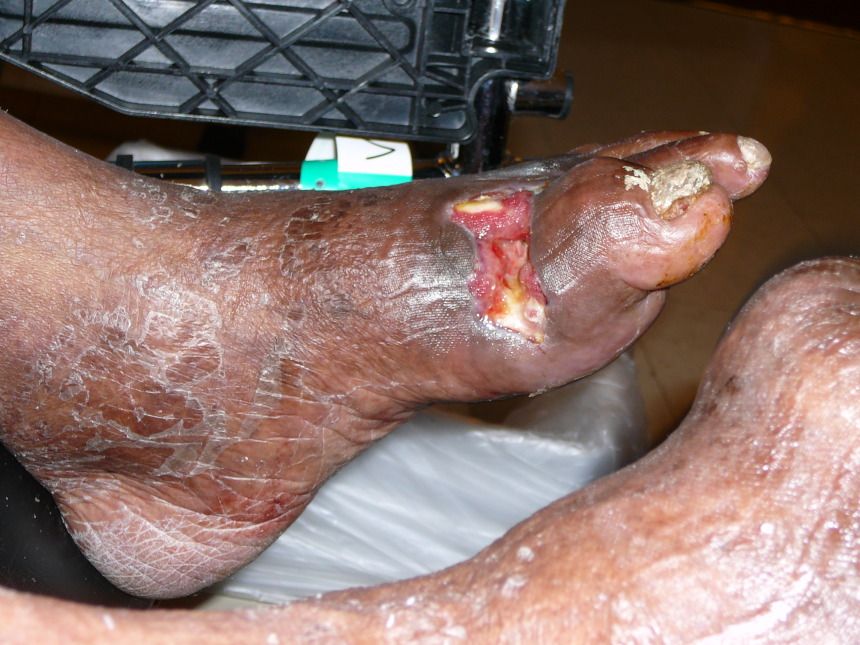
    Heel wound with gangrene
    Heel wound with gangrene

    image

    remove the weeds (debride the wound) water the grass (good vasculature and good circulation) and make sure there are no aphids and fungi growing ( remove bioburden such as infection).


    wound debridement advancements

    How does one remove the bad tissue from wounds?  Years ago the doctor would put a wet dressing on it and then it would dry and when it dried out the doctor would tear it off and along came with it the bad tissue. That was called a wet to dry dressing. We have moved away from that to much better techniques. Yes there is the classic method of using a scalpel , which works great. However the drawback to the scalpel method is that it inevitably removed healthy tissue along with it. Today there are 2 excellent water systems that remove the dead tissue one is the versajet

    The other is called Misonix

    this is myself performing a debridement with misonix

    Misonix tissue debridement


    These methods give an accurate way of removing dead tissue while maintaining the live tissue.

    One other method for which i have had tremendous success is the use of Santyl ointment http://www.santyl.com/  this is an ointment that removed the bad tissue and KEEPS the healthy tissue via enzymatic debridement. It uses collagenase to remove the unwanted tissue  and promote the growth of new skin tissue. So if you are going week after week to a wound care center for a foot wound or a diabetic foot wound or even a wound on your foot and leg from an injury of a surgery incision that has not healed  make sure to learn about these methods and see if they are right for you.

    Wound testimonial from a patient of Dr Wrotslavsky  (reprinted with patient permission)  ” Dear Dr Wrotslavsky, Thank you for caring for me and closing my wound. I was going to a wound care center for 6 months and my wound was not getting smaller. You were able to diagnose the underlying issue and took me straight to the operating room and cleaned it up. You then put a skin graft on it and now my wound is closed. I am so happy to be back in shoes , thank you”  Joan M.  La Jolla San diego.


  • Diabetic Foot Care San Diego

    Diabetic Foot Care San Diego

    Diabetic Foot Care San Diego

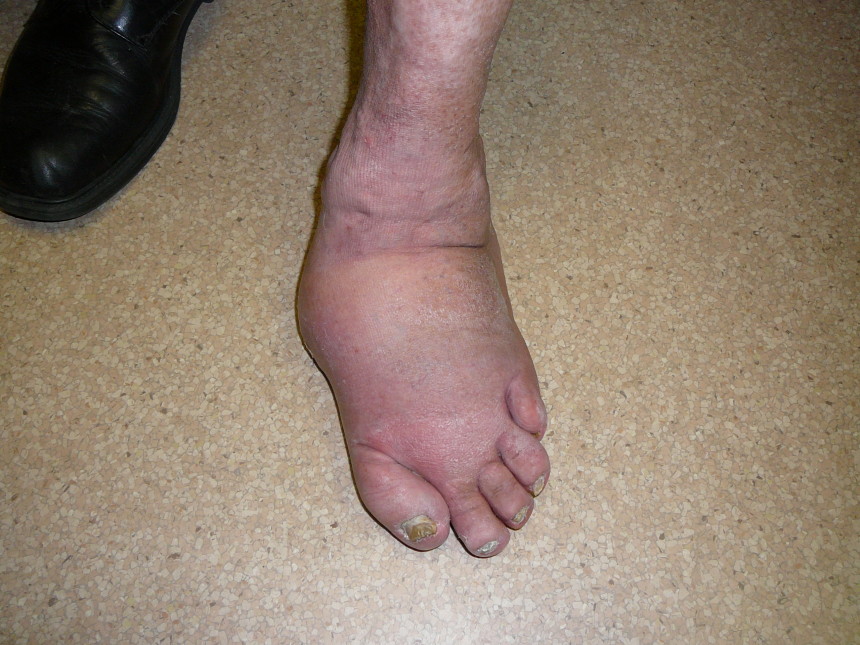
    Its a new year and time to take back your foot health. Diabetic foot care in San Diego is something that many specialize in. What makes it important is that diabetics have a propensity for circulation issues and nerve issues. Otherwise known as Peripheral vascular disease and peripheral neuropathy. These medical problems can lead to diabetic foot ulcers and diabetic foot wounds. As well Diabetics need to be careful for the dreaded foot infection that can lead to gangrene and amputation of toes or even a leg. Do not ignore a red hot swollen foot if you have diabetes is can be a sign of infection. Seek help of a medical professional. Also if your foot is changing shape it can be a sign of

    Pre surgery Charcot foot
    Pre surgery Charcot foot

    charcot neuroarthropathy. this can be very dangerous because if not treated properly it can lead to infection and amputation.

    Diabetic Foot Care San Diego

    While  we are lucky to live in a city that is warm all year and we get to wear sandals and walk barefoot on the beach as a diabetic you must always be on guard to protect yourself and to seek Diabetic foot care in San Diego.

    Here at the Advanced Foot And Ankle Center of San Diego we are board certified and fellowship trained in foot and ankle surgery with significant expertise in limb preservation and diabetic foot salvage. Not every infection needs an amputation. Our focus is limb and joint preservation. Using the latest non surgical and surgical techniques we have the ability to treat diabetic foot issues and spare you from losing a limb.

    Today diabetic foot care in San Diego has come a long way , we have the ability to use amniotic based skin grafting to stimulate wounds to grow new skin as well as platelet derived growth factor gels and debriding gels that help reduce the amount of sharp painful debridements that you may be undergoing .


    Also with the use of the taylor spatial frame we can correct difficult foot deformities as seen below. So please contact me directly with any questions. Diabetic Foot Care San Diego

    TSF charcot<div style=”padding:4px;”><p style=”color:#acbcc8 !important; font: 8px/11px arial, sans-serif !important;text-decoration:none !important; text-align: center”><a href=”https://booknow.appointment-plus.com/7g46c5c2/” style=”border:none !important;” id=”apclink” target=”_blank”><img src=”https://account.appointment-plus.com/ap/ap_buttons_v2/booknow/Style-9_green.png” alt=”Book an appointment with Advanced Foot and Ankle Center of San Diego” style=”outline:none !important; border:none !important;” /></a><br/>Powered by <a style=”color:inherit !important; text-decoration:none !important;” href=”http://www.appointment-plus.com/” target=”_blank” rel=”nofollow”>Appointment-Plus</a></p></div>
  • Charcot Foot Reconstruction part 2

    Charcot Foot Reconstruction part 2

    Charcot Foot Reconstruction part 2

    In a previous post you were introduced to the concept of the charcot foot and its collapse. In This post I will talk about the innovative ways we correct this foot and save these legs from being amputated.

    Charcot foot reconstruction has gone through an evolutionary process from amputation to placing the bones in the corrected areas to fusing the diseased joints. There has been an evolution of the hardware used from screws to plates to locking plates and to beaming the columns of the foot. The downside to single stage corrections also known as acute corrections is that one gets a smaller foot because allot of bone needs to be resected out to obtain the correction then the screws and plates are put in to maintain the correction. During that acute correction there is also a risk of pulling on arteries and nerves beyond its ability to compensate in one setting.Nerve pull  tibia Nerve pull calcaneusAs you can see from the pictures on the left when you move the bones in the foot around you can pull on the nerves of the foot. In a charcot foot which is usually in a rockerbottom position you can stretch and pull on the posterior tibial nerve and the posterior tibial artery that runs along with it. As well the dorsalis pedis artery and the dorsal foot nerves are at risk. Historically many of these procedures have failed in the past because the surgeon attempted to do the correction in one shot and thereby putting the nerves and arteries of the foot at risk. In upcoming blogs we will discuss how to perform the 2 stage procedure ( do not do this at home) and you will see some x rays of the final product.

    As always feel free to email me with any questions.

    Charcot foot
    Charcot foot
    Charcot foot
    Charcot foot

    Charcot Foot

    Pre surgery Charcot foot
    Pre surgery Charcot foot
  • Amniotic graft diabetic foot ulcers

    diabetic foot wound
    Diabetic foot wound

    The prevalence of diabetes in the United states is high, it is currently estimated that 14 percent of the united states suffers from diabetes . 4 percent of Diabetics will get a foot ulcer during the year and 25 percent of diabetics will gat a foot ulcer at least once in their life time.

    Foot ulcers can be very dangerous and can lead to infections and possible amputations if not treated quickly and properly. Diabetics are advised to get annual foot screenings to assess their risks for ulcers. Risks for ulcers include bony prominence’s such as bunions and hammertoes that rub against improper shoes that can lead to ulcers. Also poor circulation  and poor blood flow can lead to ulcers. And lastly neuropathy can lead to ulcers which can lead to amputations. Neuropathy is the loss of sensation in ones feet so if you have a pebble in your shoe you will not feel it and then it can lead to an ulcer which can lead to infection….

    There are many treatments available for treating ulcers,   a new treatment that I am performing at the Advanced Foot and ankle Center of San Diego with great success is human amniotic membrane allograft application. Wow that is allot of fancy words, let me explain. Human amniotic membrane allograft (HAMA for short) is donated from human placenta once a child is born.

    Amniotic tissue has been used in therapy for treatment in surgeries of the eye and burns . The way it works is by reducing inflammation and enhancing soft tissue healing. There are many growth factors in amniotic tissue such as FGF, EGF, TGF  that help stimulate epithilial cell growth and migration and can grow skin in ulcers and wounds. There is also present PDGF A and B which help the growth of  collagen , fibroblasts and smooth muscle cells.

    The placental membrane contains 2 layers , the chorion which is touching  the maternal side of the placenta and the amnion which is touching the amniotic fluid and fetus. Both layers are non-immunogenic. A combination of the chorion with the amnion contains many growth factors to help ne skin cells grow and heal wounds. This is supplied as dehydrated human amnion/chorion membrane allograft and it can treat diabetic foot ulcers.

    We have been able to cure hundreds of foot ulcers with this new treatment option available .

    Below are some pictures of before and after healed diabetic foot ulcers that were treated with human amniotic membrane allograft.