Advanced Foot and Ankle Center of San Diego

Category: Foot and ankle Ulcers and wounds

wounds and ulcers of the foot and ankle. Diabetic, pressure ulcers, Post injury, non healing surgical wounds.

  • Bio Compression Arterial Pump vs ArtAssist: Which Is Right for You?

    Blog Series — 4 Parts — Advanced Foot & Ankle Center of San Diego

    Part 4 of 4

    The Bio Arterial Plus — and How to Choose Between These Two Devices

    Bio Compression Systems’ arterial pump, a plain-language head-to-head comparison, and a practical guide for patients and families making this decision.

    By Dr. Philip Wrotslavsky, DPM, FACFAS · Advanced Foot & Ankle Center of San Diego

    1
    What Is Poor Circulation?
    2
    How Arterial Pumps Work
    3
    ArtAssist® Explained
    4
    Bio Arterial Plus & Comparison

    In Part 3 we looked closely at the ArtAssist® and the rapid-inflation science that makes it unique. Now let’s turn to the second major arterial compression device: the Bio Arterial Plus IC-BAP-DL, made by Bio Compression Systems — a well-established American medical device company based in New Jersey.

    Then we’ll put the two devices side by side, in plain language, and give you a practical framework for talking to your doctor about which one might be right for your situation.

    How the Bio Arterial Plus Works

    Like the ArtAssist®, the Bio Arterial Plus uses inflatable foot-and-calf sleeves that compress sequentially — foot first, then calf — at 120 mmHg. The overall cycle time is the same: 20 seconds, cycling three times per minute. Where it differs meaningfully is in the duration of each compression hold. While the ArtAssist® inflates and deflates in under 300 milliseconds, the IC-BAP-DL holds compression for approximately 5 seconds before releasing. This is not a flaw — it’s a different mechanism.

    Bio Arterial Plus IC-BAP-DL — Device Specifications
    High Pressure · Sequential · Rapid Cycle
    Compression Time
    5 seconds
    Rest Time
    15 seconds
    Full Cycle
    20 seconds (3×/min)
    Pressure Range
    10–150 mmHg (adjustable)
    Recommended Dose
    Up to 1 hr, 2–3× daily
    Warranty
    3 years
    HCPCS Code
    E0675
    Special Feature
    Built-in compliance meter

    What the Research Shows

    20–120%
    Increase in pain-free walking distance after 2 years of daily use
    Zaleska et al., PLOS ONE 2019
    0.2→0.6
    Average improvement in toe-brachial index (TBI) over 2 years
    Zaleska et al., PLOS ONE 2019
    2 yrs
    Sustained improvements in resting capillary flow persisted at long-term follow-up
    5-year study follow-up

    “After two years of daily use, patients who couldn’t have surgery saw their toe pressure measurements triple — and those improvements persisted at long-term follow-up.”

    Standout Features of the Bio Arterial Plus

    Adjustable pressure. Unlike the ArtAssist®, which operates at a fixed 120 mmHg, the Bio Arterial Plus has a pressure range of 10–150 mmHg. For patients with sensitive skin, early-stage disease, or discomfort at maximum pressure, the ability to start lower and titrate up is clinically important.

    Built-in compliance meter. The IC-BAP-DL tracks actual device usage. For physicians managing patients at home, being able to verify the device is actually being used — and for how long — is genuinely valuable. Patients who feel they’re not progressing may be under-using the device without realizing it.

    Flexible dosing schedule. The recommended protocol — up to one hour, two to three times daily — differs from the ArtAssist’s typical three-hour continuous session. For patients whose schedules or comfort make a three-hour block difficult, shorter and more frequent sessions may fit daily life better.

    Good to Know — What’s Included

    The IC-BAP-DL system includes the controller unit and bilateral foot-and-calf garment sleeves, available in Standard, Narrow, and Wide sizes. The controller carries a 3-year warranty — one of the longer device warranties in this category.

    Side-by-Side Comparison

    Feature ArtAssist® (ACI Medical) Bio Arterial Plus (Bio Compression)
    Compression target Foot, ankle, and calf Foot and calf
    How fast it inflates Under 300 milliseconds (very fast) Holds for 5 seconds
    Primary mechanism Rapid venous emptying + endothelial shear stress → new vessel growth Sequential compression + venous backpressure → microvascular dilatation
    Pressure setting Fixed at 120 mmHg Adjustable 10–150 mmHg
    Daily treatment time 3 hours/day Up to 1 hr × 2–3 times/day
    Compliance tracking No built-in meter Yes — built-in compliance meter
    Device model Rental (3–6 months) or purchase Purchase or rental via DME
    Warranty Per rental agreement 3 years (purchased device)
    Clinical evidence 25+ years; arteriogenesis confirmed on angiography Solid long-term data; significant TBI and walking distance improvements

    How Do You Choose?

    ArtAssist® May Be the Better Fit If…
    ✓Your main goal is long-term limb salvage — you need new blood vessel growth, not just symptom relief
    ✓You have critical limb ischemia (CLI) or a diabetic foot wound that isn’t healing
    ✓You or your doctor want the deepest available research base behind the prescription
    ✓You prefer a rental model and don’t want to own the device long-term
    ✓You can commit to 3-hour daily sessions
    Bio Arterial Plus May Be the Better Fit If…
    ✓Your doctor wants to start at lower pressure and gradually increase — useful for sensitive skin or early-stage disease
    ✓Compliance monitoring matters — you or your doctor want to track actual usage
    ✓You prefer shorter, more frequent sessions (1 hr × 2–3/day) rather than one long daily block
    ✓You have post-angioplasty or post-bypass disease where tissue perfusion at the capillary level is the focus
    ✓You want to own the device — the 3-year warranty makes long-term ownership practical

    The Bottom Line for Patients

    Don’t get too caught up in which pump is “the best one.” The most important question is: are you using it consistently, every day, for months? Every study on both devices confirms the same thing — the biological changes that improve blood flow take time. Three to six months of daily, consistent therapy gives your body the repeated stimulus it needs to heal itself. Consistency beats device selection every time.

    Important Things to Know Before You Start

    This is prescription treatment, not a consumer product. Both devices require a physician’s prescription. Do not attempt to obtain either device without a proper medical evaluation. Using compression therapy without screening can be dangerous if you have an undiagnosed blood clot or other contraindication.

    Combination therapy works best. The pump is a tool, not a complete treatment program. The patients who do best also address their underlying risk factors: managing blood sugar if diabetic, taking antiplatelet medication as prescribed, controlling blood pressure and cholesterol, and stopping smoking.

    Be patient — and keep showing up. Arterial pump therapy is one of the few medical interventions where benefits compound over time. Most patients notice symptom improvement within weeks, but the structural changes — new vessels, improved baseline circulation — take months. Trust the process.

    ✅
    You’ve completed the full series!
    You now have a thorough understanding of poor circulation, how arterial pumps work, and what distinguishes the two leading devices. Bring these questions to your next appointment at Advanced Foot and Ankle Center of San Diego.

    Ready to Discuss Whether an Arterial Pump Is Right for You?

    Dr. Wrotslavsky and the team at Advanced Foot and Ankle Center of San Diego specialize in complex vascular cases — including patients who have been told surgery is not an option.

    18 Years
    Subspecialty Surgical Experience
    Double Board
    Certified Foot & Ankle Surgery
    San Diego
    Serving Southern California

    Request a Consultation

    PW
    Dr. Philip Wrotslavsky, DPM, FACFAS
    Double Board-Certified Foot & Ankle Surgeon · CEO & Medical Director, Advanced Foot and Ankle Center of San Diego · 18 Years Subspecialty Surgical Experience

    Disclosures: Dr. Wrotslavsky has no financial relationships with ACI Medical, Bio Compression Systems, or any manufacturer of pneumatic compression devices. This blog series is for educational purposes only and does not constitute medical advice. Individual results vary.

  • ArtAssist Arterial Pump Review: How It Works & Who It’s For | San Diego DPM

    Blog Series — 4 Parts — Advanced Foot & Ankle Center of San Diego

    Part 3 of 4

    The ArtAssist® by ACI Medical

    The device built from the ground up for arterial disease — and why the speed of its squeeze is the key to everything.

    By Dr. Philip Wrotslavsky, DPM, FACFAS · Advanced Foot & Ankle Center of San Diego

    1
    What Is Poor Circulation?
    2
    How Arterial Pumps Work
    3
    ArtAssist® Explained
    4
    Bio Arterial Plus & Comparison

    Not all compression pumps are arterial pumps. For decades, compression therapy has been used primarily for venous conditions — swollen legs, lymphedema, blood clot prevention. These venous pumps are very effective at what they do. But they were not designed to restore arterial blood flow to a critically ischemic limb.

    The ArtAssist®, developed by ACI Medical, was built from the ground up with a specific mission: to increase arterial blood flow. It was created by vascular surgeons, informed by research into the cellular biology of blood vessel healing, and has been in clinical use since 1998 — longer than any comparable arterial compression device on the market.

    What Makes ArtAssist® Different: The Speed of the Squeeze

    The defining feature of the ArtAssist® is how fast its cuffs inflate. In the current generation — using what ACI Medical calls EndoShear™ Technology — the cuffs go from zero to full pressure in under 300 milliseconds. That is less than one-third of a second.

    Inflation Speed Comparison
    ArtAssist®
    <300ms
    Typical venous pump
    2–5 seconds
    Human calf muscle
    ~0.4 sec per step
    The ArtAssist® matches and exceeds the rapidity of the natural calf muscle pump — the benchmark that arteriogenesis research was built around.

    The Engineering Behind the Speed

    Most pneumatic compression pumps use a small electric pump that slowly fills air chambers. The ArtAssist® stores compressed air in a high-pressure reservoir that is constantly refilled, allowing it to release pressure nearly instantaneously — like an air gun versus a water pistol. The stored energy is released all at once, not gradually built up.

    What the Research Shows

    3×
    Increase in blood flow to the skin of the feet during active use
    Measured by laser Doppler fluximetry
    3×
    Increase in pain-free walking distance in claudication patients
    Multiple clinical trials, sustained at 1-year follow-up
    >70%
    Of rest pain patients experienced resolution within 3 months
    Van Bemmelen et al., JAMA Surgery

    A landmark study in JAMA Surgery followed 14 consecutive patients with critically ischemic legs who were unsuitable for surgical revascularization — exactly the population typically told there are no options left. After 3 months of ArtAssist® therapy, a significant reduction in limb loss was observed versus a placebo group, with measurable improvement in toe pressures and clinical symptoms.

    “For patients who have run out of surgical options, clinical studies have shown the ArtAssist® can reduce limb loss — not just reduce symptoms.”

    What’s New in the Current ArtAssist® Device
    EndoShear™ Technology
    ✦
    Adaptive pressure function — the device learns your individual physiology over time and fine-tunes each compression pulse to optimize the shear stress stimulus for your specific tissue.
    ✦
    Under-300ms inflation and deflation — faster than any prior generation, maximizing nitric oxide release per cycle.
    ✦
    FDA 510(k) compliant and patent-pending technology. The device looks and operates the same as prior models — the improvements are under the hood.
    ✦
    Higher shear stress generation — targeting arteriogenesis more aggressively, particularly for patients with critical limb ischemia.

    Who Is ArtAssist® Best For?

    🩸Peripheral arterial disease (PAD)
    🚶Intermittent claudication (walking pain)
    🌙Rest pain and night pain
    ⚠️Critical limb ischemia (CLI)
    🩹Arterial and diabetic foot ulcers
    🦶Gangrene — adjunct limb salvage
    💉Before or after vascular surgery
    🧬Small vessel disease (no surgical target)

    Not Appropriate If You Have:

    Active deep vein thrombosis (DVT) or suspected blood clot · Pulmonary embolism · Acute, rapidly worsening arterial blockage · Active uncontrolled infection in the leg · Severe decompensated congestive heart failure. Discuss these with your physician before starting any compression therapy.

    Patient FAQ

    Q How does the device get to me?
    Your doctor prescribes the ArtAssist®. ACI Medical ships the complete system directly to your home, including the controller, garments, and an instructional video. Free telephone support is included. You don’t need to go to a clinic for treatment.
    Q How long do I use it each day?
    The standard recommendation is 3 hours per day. Most patients split this across two sessions — for example, watching the morning news and an afternoon show while sitting in a recliner. Your physician can adjust the regimen for your situation.
    Q How long until I feel a difference?
    Many patients notice improvement in rest pain and sleep quality within the first 3–4 weeks. Walking distance typically improves by months 2–3. The full arteriogenesis benefit develops over 3–6 months of consistent daily use.
    Q Does it hurt?
    The compression is firm at 120 mmHg, but the rapid cycling means you feel rhythmic squeezing rather than sustained pressure. Most patients describe it as a deep massage. It should not be painful. If you experience significant discomfort, contact your physician.
    Q Do I own it or rent it?
    The typical model is a rental for 3–6 months. Once therapy is complete, ACI Medical arranges pickup. The device can also be purchased outright. The garments (cuffs) are single-patient use and stay with you.
    Q Will insurance cover it?
    Both major insurance and Medicare cover the ArtAssist® under HCPCS code E0675 for qualifying diagnoses. Coverage generally requires documentation of your PAD diagnosis and that surgical options have been considered. Your doctor’s office can help navigate prior authorization.

    Dr. Wrotslavsky’s Clinical Perspective

    In my practice, the ArtAssist® is my first choice when the goal is long-term limb salvage in a patient who cannot have surgery. Its 25-year research track record, the confirmation of actual new vessel growth on imaging, and the endothelial shear stress mechanism give me confidence that consistent use is doing something biological — not just managing symptoms. For diabetic patients with arterial foot ulcers, this device has helped us avoid amputations that previously seemed inevitable.

    Up Next — Part 4
    The Bio Arterial Plus & How to Choose
    Bio Compression Systems’ arterial pump, a side-by-side comparison, and a practical guide for patients deciding between these two devices.
    →

    PW
    Dr. Philip Wrotslavsky, DPM, FACFAS
    Double Board-Certified Foot & Ankle Surgeon · CEO & Medical Director, Advanced Foot and Ankle Center of San Diego

  • How Arterial Compression Pumps Work for Poor Leg Circulation | San Diego

    Blog Series — 4 Parts — Advanced Foot & Ankle Center of San Diego

    Part 2 of 4

    How Arterial Compression Pumps Actually Work

    The surprising science behind squeezing your leg to restore blood flow — and why it works even when surgery can’t.

    By Dr. Philip Wrotslavsky, DPM, FACFAS · Advanced Foot & Ankle Center of San Diego

    1
    What Is Poor Circulation?
    2
    How Arterial Pumps Work
    3
    ArtAssist® Explained
    4
    Bio Arterial Plus & Comparison

    In Part 1, we looked at what peripheral arterial disease (PAD) does to your feet — and how, for many patients, surgical options are either not possible or have already been tried and failed. In this part, we’re going to explain how arterial compression pumps work to push more blood into ischemic legs, and why the science behind them is more elegant than it might first appear.

    Nature’s Original Arterial Pump: Your Calf Muscle

    The Key Analogy
    “Your calf muscle is a second heart — and you activate it every time you walk.”

    When you take a step, your calf muscle squeezes powerfully around the deep veins of your leg. That squeeze empties the venous blood upward and out of the lower leg. With the veins suddenly empty, fresh oxygenated blood from the arteries above rushes in to fill the space. This is called the calf muscle pump, and it is one of the body’s most effective tools for moving blood to the feet.

    But here’s the problem: patients with severe PAD often cannot walk. The pain stops them after half a block, or sometimes after just a few steps. An arterial compression pump recreates what your calf muscle does — squeezing the veins of the foot and calf rhythmically — without requiring you to walk a single step.

    What Happens When the Cuff Inflates

    1
    The foot cuff inflates rapidly
    High-pressure air fills the foot cuff quickly — in the best arterial devices, this happens in under one second. The squeezing action compresses the veins in the foot and forces venous blood upward.
    2
    One second later, the calf cuff inflates
    The sequential timing matters. The calf compression follows the foot, pushing venous blood from the calf upward too. Together, the foot and calf veins are nearly completely emptied of blood.
    3
    The cuffs release
    With venous pressure suddenly dropped close to zero, the arterial blood above — which is under constant pressure from your heart — rushes downward to fill the empty space. Blood flow to the feet can increase dramatically in this moment.
    4
    A brief rest, then the cycle repeats
    The device waits approximately 17 seconds and then repeats. This rest period matches the time window in which certain beneficial blood vessel chemicals remain active. Three complete cycles happen every minute.

    One Complete Compression Cycle (20 Seconds)
    🦶 Foot
    <1 sec
    pause
    1 sec
    🦵 Calf
    1–5 sec
    💤 Rest & Refill
    ~13–17 sec
    This cycle repeats 3 times per minute. Over 3 hours of treatment, that’s roughly 540 pumping cycles per session.

    The Chemistry of Blood Vessel Healing

    Every artery in your body is lined with a single layer of specialized cells called the endothelium. When blood rushes through quickly, the friction created by fast-moving fluid against the artery wall (called shear stress) tells the endothelial cells to release a powerful chemical called nitric oxide (NO).

    Nitric oxide is a natural vasodilator — it relaxes and widens the artery, allowing more blood to pass through. In people with PAD, the endothelium produces less nitric oxide than normal. Restoring shear stress — which is exactly what a rapidly inflating arterial pump does — helps restart this natural chemistry.

    Why the Speed of Inflation Matters

    The faster the pressure rises in the cuff, the faster blood is displaced through the artery, and the greater the shear stress on the endothelium. This is why rapid inflation speed is not just an engineering detail — it determines how much nitric oxide gets released. Not all compression pumps are engineered with this in mind.

    Arteriogenesis: Growing New Blood Vessels

    Perhaps the most remarkable thing arterial compression pumps can do — with consistent, daily use over several months — is stimulate the body to grow new collateral arteries around the blocked ones. This process is called arteriogenesis.

    When shear stress is applied repeatedly and consistently — as it is during daily arterial pump sessions — the biological signals released cause tiny backup vessels to enlarge and eventually carry meaningful amounts of blood to the ischemic tissue below. This is not a short-term effect; it takes weeks to months of consistent therapy. But it represents something surgery generally cannot offer: a self-renewing blood supply that continues to work even after you stop using the pump.

    “Arteriogenesis is the body growing its own bypass. It takes months — but the results can last for years.”

    Is It Safe?

    Important Safety Note

    Arterial compression pumps are generally very safe with no known systemic side effects in appropriately screened patients. However, they are not appropriate if you have an active deep vein thrombosis (DVT/blood clot), active serious infection in the leg, or severe uncontrolled heart failure. Your doctor will screen for these before prescribing. Never start a compression pump without a physician’s prescription and evaluation.

    What Does Treatment Actually Look Like?

    These devices are designed for home use. Your doctor prescribes the device, and it is shipped directly to you. A typical treatment day:

    🪑
    Sit comfortably in a recliner or chair
    Most patients watch TV, read, or work on a laptop during treatment. You don’t need to lie flat.
    👢
    Slip on the sleeves
    The foot-and-calf garments are soft and comfortable, fastening with Velcro. They come in different sizes to fit your leg.
    ▶️
    Turn on the controller and let it run
    The pump cycles automatically. You’ll feel rhythmic squeezing — firm but not painful. Most patients describe it as a deep massage.
    📅
    Repeat daily for 3–6 months
    Consistency is everything. The biological changes — especially collateral artery growth — require repeated, sustained stimulation over months, not days.

    What to Expect — Timeline

    First month: Many patients notice improvement in rest pain and sleep quality. Months 2–3: Walking distance often improves. Wounds may begin showing healing. Months 3–6 and beyond: Collateral artery formation consolidates. Some patients show measurable improvement in ankle-brachial index on repeat testing.

    Up Next — Part 3
    The ArtAssist® by ACI Medical — A Closer Look
    The device with the longest clinical track record in arterial compression, and the technology behind its speed-driven approach to blood vessel healing.
    →

    PW
    Dr. Philip Wrotslavsky, DPM, FACFAS
    Double Board-Certified Foot & Ankle Surgeon · CEO & Medical Director, Advanced Foot and Ankle Center of San Diego

  • Poor Circulation in Feet & Legs: Signs, Causes & What to Do | Dr. Wrotslavsky

    Blog Series — 4 Parts — Advanced Foot & Ankle Center of San Diego

    Part 1 of 4

    When Your Feet Aren’t Getting Enough Blood

    Understanding poor circulation in the legs — what it feels like, why it happens, and why your feet pay the biggest price.

    By Dr. Philip Wrotslavsky, DPM, FACFAS · Advanced Foot & Ankle Center of San Diego

    1
    What Is Poor Circulation?
    2
    How Arterial Pumps Work
    3
    ArtAssist® Explained
    4
    Bio Arterial Plus & Comparison

    Have you ever woken up at 2 a.m. with a burning, aching pain in your foot that eases only when you dangle your leg off the side of the bed? Have you noticed a sore on your toe that simply won’t heal, despite weeks of careful dressings and your best efforts? Or maybe walking a single block has become enough to stop you in your tracks, your calf cramping like it’s being wrung out like a towel?

    These aren’t just inconveniences. These are warning signs that your feet are not getting enough blood — and in the world of foot care, that is one of the most serious situations a patient can face.

    What This Series Is About

    Over four parts, we’re going to walk you through poor leg circulation — what causes it, what it does to your feet, and a remarkable category of medical devices called arterial compression pumps that can help restore blood flow without surgery. We’ll look closely at two of the best available: the ACI Medical ArtAssist® and the Bio Compression Systems Bio Arterial Plus.

    Your Arteries: The River System of Your Body

    To understand what poor circulation feels like, it helps to understand what arteries actually do. Think of your circulatory system like a river network. Your heart is the pump at the headwaters, pushing oxygen-rich blood outward through a branching system of vessels. The large arteries near your heart are like wide rivers. As they travel further from the heart — down through your abdomen, into your thighs, past your knees, and finally into your feet and toes — they become smaller and smaller, like streams and then creeks.

    Your feet are at the very end of that river system. They’re the furthest point from the heart, which means they depend entirely on healthy, open arteries delivering a steady supply of oxygen and nutrients. When that supply is interrupted — even partially — the feet are the first to suffer.

    What Is Peripheral Arterial Disease (PAD)?

    Peripheral arterial disease, or PAD, is a condition in which the arteries supplying the legs and feet become narrowed or blocked — usually because of a buildup of fatty deposits called plaque on the inside walls of the arteries. This is the same process that causes heart attacks and strokes, except it’s happening in the arteries of the legs.

    “PAD affects roughly 8 to 12 million people in the United States — and most of them don’t know they have it.”

    The narrowing reduces blood flow to the leg muscles and, critically, to the skin and tissues of the feet. As PAD progresses, it moves through recognizable stages:

    🚶

    Stage 1 — Walking Pain

    Cramping or aching in the calf during walking that stops when you rest. Called intermittent claudication. Blood supply is adequate at rest, but not during exertion.

    🌙

    Stage 2 — Rest Pain

    Pain at night or at rest, often in the foot or toes. Frequently relieved by dangling the foot down. A sign of significant blockage.

    🩹

    Stage 3 — Non-Healing Wounds

    Sores or ulcers on the foot or toes that don’t heal. Without adequate blood flow, tissue can’t receive oxygen or fight infection.

    ⚠️

    Stage 4 — Critical Ischemia

    Severe oxygen deprivation with tissue death (gangrene). A medical emergency that can lead to amputation if not addressed.

    Why Diabetic Patients Face Extra Risk

    Diabetes and PAD are a particularly dangerous combination. Elevated blood sugar, over years and decades, damages both large arteries (making them narrow faster) and the tiny capillaries of the foot. At the same time, diabetes causes nerve damage — neuropathy — which means the patient often cannot feel pain normally.

    That combination is deadly: poor circulation means wounds won’t heal, and neuropathy means the patient doesn’t feel the warning signs soon enough. A blister from a tight shoe becomes an ulcer. An ulcer becomes an infection. An infection, in a foot without blood supply, can become a reason for amputation.

    A Number Worth Knowing

    More than 50% of diabetes-related lower limb amputations are preceded by a foot ulcer. The majority of those ulcers are complicated by poor circulation. This is not inevitable — with the right treatment, many of these outcomes can be prevented.

    Who Gets PAD? Risk Factors to Know

    🚬

    Smoking

    The single biggest modifiable risk factor. Smoking accelerates artery-narrowing and is associated with more severe PAD.

    🩸

    Diabetes

    Significantly increases both the risk of PAD and its severity, particularly in the smaller vessels of the foot.

    💊

    High Blood Pressure

    Sustained high pressure damages artery walls, making them more vulnerable to plaque buildup.

    📊

    High Cholesterol

    LDL cholesterol is the primary building block of arterial plaque. Elevated levels accelerate narrowing.

    🎂

    Age Over 65

    Risk increases substantially with age, and starts earlier (50+) in diabetics or smokers.

    👨‍👩‍👦

    Family History

    A parent or sibling with PAD, heart disease, or stroke raises your risk meaningfully.

    How Is PAD Diagnosed?

    The simplest and most common first test is the ankle-brachial index (ABI) — a quick, painless measurement that compares blood pressure in the ankle to blood pressure in the arm. In a healthy person, these should be roughly equal (a ratio close to 1.0). When the ratio falls below 0.9, PAD is likely. Below 0.5 indicates severe ischemia.

    What to Tell Your Doctor

    If you notice leg or foot cramping during walks that goes away with rest, nighttime foot pain relieved by hanging your foot down, slow-healing sores on your toes or feet, or skin that looks pale, bluish, or feels cold — tell your foot and ankle surgeon. These symptoms deserve an ABI measurement at your next visit, if not sooner.

    What Are the Treatment Options?

    When PAD is discovered, treatment depends on its severity. For mild to moderate cases, the foundation is risk factor management: stopping smoking, controlling blood sugar, blood pressure, and cholesterol, and a supervised walking exercise program (counterintuitive as it sounds, walking is one of the best things for claudication).

    For more severe cases, vascular surgery or interventional procedures — angioplasty, stenting, or bypass surgery — can physically restore blood flow past the blockage. These can be remarkably effective.

    But here is the challenge many patients and physicians don’t discuss openly enough: not every patient is a candidate for surgery. Some have blockages that are too numerous, too small, or too diffuse to fix with a stent. Others have heart disease or other medical conditions that make surgery too risky. And still others have already had stents or bypasses that have failed.

    For these patients — and there are many of them — the traditional medical response has too often been: “There’s nothing more we can do.” That is where arterial compression pumps enter the picture.

    “For patients who can’t have surgery, an arterial compression pump can be a genuine lifeline — used at home, every day, with no incisions and no recovery room.”

    Up Next — Part 2
    How Arterial Compression Pumps Actually Work
    The surprising science behind squeezing your leg to restore blood flow — and why it works even when surgery can’t.
    →

    PW
    Dr. Philip Wrotslavsky, DPM, FACFAS
    Double Board-Certified Foot & Ankle Surgeon · CEO & Medical Director, Advanced Foot and Ankle Center of San Diego · 18 Years Subspecialty Surgical Experience

  • Transverse Tibial Transport: A Limb Preservation Option for Patients with Severe Circulation Problems

    Transverse Tibial Transport: A Limb Preservation Option for Patients with Severe Circulation Problems

    When blood flow to the foot becomes critically reduced—often due to diabetes or peripheral artery disease—patients can develop non-healing wounds, infections, or gangrene. In the most severe cases, the risk of amputation becomes very real.

    Traditionally, treatment has focused on vascular procedures designed to restore blood flow to the foot. However, there is an emerging limb-preservation technique called Transverse Tibial Transport (TTT) that works through a completely different biological mechanism.

    At the Advanced Foot and Ankle Center of San Diego, this innovative technique may be considered for carefully selected patients as part of a comprehensive limb preservation strategy.


    The Challenge: Critical Limb Ischemia

    Many patients who develop severe foot wounds suffer from a condition called Peripheral Artery Disease, where arteries that supply the legs and feet become narrowed or blocked.

    In advanced cases—often referred to as Chronic Limb-Threatening Ischemia—the body simply cannot deliver enough oxygen and nutrients to the tissues of the foot. This leads to:

    • Chronic non-healing ulcers

    • Severe infections

    • Tissue death (gangrene)

    • Risk of major amputation

    For many years, treatment has focused on restoring blood flow through vascular interventions.


    Traditional Approach: Vascular Procedures

    Most patients with severe circulation problems are treated by vascular specialists using procedures such as:

    • Angioplasty – inflating a small balloon inside the artery to open a blockage

    • Vascular Stenting – placing a metal scaffold to keep an artery open

    • Peripheral Artery Bypass Surgery – surgically rerouting blood flow around blocked arteries

    These procedures can be extremely valuable and lifesaving. However, they are not always possible or successful.

    Some patients have:

    • Diffuse small-vessel disease

    • Multiple failed revascularization attempts

    • Arteries that are too diseased for bypass

    • Persistent wounds despite improved blood flow

    For these patients, additional limb-preserving strategies may be necessary.


    A Different Concept: Transverse Tibial Transport

    Transverse Tibial Transport is based on a fascinating biological principle: controlled bone movement can stimulate the body to grow new blood vessels.

    The technique was developed from principles of Distraction Osteogenesis, originally pioneered by orthopedic surgeon Gavriil Ilizarov.

    In distraction osteogenesis, slowly moving bone segments stimulates the body to generate new bone, soft tissue, and blood vessels. Surgeons discovered that these same biological signals can dramatically improve microcirculation in the limb.


    How the Procedure Works

    During a Transverse Tibial Transport procedure:

    1. A small rectangular segment of bone is created in the Tibia (the shin bone).

    2. This bone segment remains attached to the surrounding tissues.

    3. A specialized external device slowly moves the bone segment side-to-side over time.

    4. This gradual motion stimulates:

      • Growth of new blood vessels

      • Increased circulation to the foot

      • Improved tissue healing capacity

    Unlike vascular procedures, this method does not open blocked arteries. Instead, it encourages the body to create new microvascular networks that improve blood flow to the foot.


    Why This Matters for Limb Preservation

    For patients with severe circulation problems, Transverse Tibial Transport may:

    • Improve blood supply to the foot

    • Promote healing of chronic ulcers

    • Reduce infection risk

    • Lower the chance of major amputation

    In other words, it provides another pathway toward saving the limb when traditional options are limited.


    Not a Replacement for Vascular Care

    It is important to understand that Transverse Tibial Transport does not replace vascular procedures.

    In many cases, the best outcomes occur when:

    • Vascular specialists optimize arterial blood flow

    • Limb preservation surgeons address infection and wounds

    • Advanced orthopedic techniques stimulate tissue regeneration

    This team-based approach is often necessary in the most complex cases of limb-threatening disease.


    Why Surgical Expertise Matters

    Transverse Tibial Transport is a technically demanding procedure that requires specialized training in:

    • Limb reconstruction

    • Deformity correction

    • External fixation techniques

    • Advanced limb salvage surgery

    These skills are derived from the field of limb reconstruction surgery, which uses precise bone and soft tissue manipulation to restore function and preserve limbs.


    Why the Advanced Foot and Ankle Center of San Diego Is Uniquely Positioned

    The Advanced Foot and Ankle Center of San Diego focuses extensively on complex limb preservation and reconstruction.

    This includes expertise in:

    • Limb salvage surgery

    • Bone reconstruction and deformity correction

    • External fixation techniques

    • Advanced wound management

    Because Transverse Tibial Transport is based on the principles of limb reconstruction, it fits naturally within a practice that specializes in orthopedic limb salvage and complex lower extremity surgery.

    This type of training allows for:

    • Careful patient selection

    • Precise surgical technique

    • Integration with wound care and infection management

    • Comprehensive limb preservation strategies


    Who Might Be a Candidate?

    Patients who may benefit from evaluation for Transverse Tibial Transport often have:

    • Severe diabetic foot ulcers

    • Chronic non-healing wounds

    • Poor circulation in the foot

    • Limited vascular surgical options

    • High risk for amputation

    A detailed evaluation is required to determine whether this procedure is appropriate.


    The Goal: Saving the Limb

    For patients facing the possibility of major amputation, every additional limb-preserving option matters.

    Transverse Tibial Transport represents a powerful new tool in the fight against limb loss, working through the body’s own biological ability to regenerate blood vessels and heal tissue.


    Learn More

    Patients with chronic foot wounds or circulation problems should seek evaluation from specialists experienced in limb preservation and reconstructive foot and ankle surgery.

    Early intervention often provides the best opportunity to heal wounds, control infection, and preserve the limb.

  • Foot Wounds in Non-Diabetics: Why They Matter and When to Seek Expert Care

    Foot wounds are often assumed to be a diabetic problem — but non-diabetics can and do develop serious foot wounds, and these are frequently overlooked or dismissed as “just a cut” or “just a blister.” Unfortunately, delayed evaluation is one of the leading reasons non-diabetic foot wounds progress to infection, tendon exposure, or bone involvement.

    Advanced Foot and Ankle Center of San Diego routinely treats patients without diabetes who are surprised to learn that their seemingly minor wound requires specialized surgical care.


    Why Non-Diabetics Get Foot Wounds

    Even in the absence of diabetes, a number of factors create risk:

    1️⃣ Trauma and Pressure

    • Blisters from new shoes

    • Toenail injury

    • Pressure from hiking, running, military boots, or ballet pointe shoes

    • Friction under bunions or claw toes

    2️⃣ Circulation Problems

    Peripheral arterial disease is not limited to diabetics. Even mild vascular compromise can delay healing.

    3️⃣ Structural Foot Problems

    • Flatfeet, cavus feet, bunions, or hammertoes create focal pressure points

    • Persistent rubbing → skin breakdown → open wound

    4️⃣ Immune Suppression

    Patients on steroids, cancer therapy, biologics, or with autoimmune disease may heal slowly.

    5️⃣ Neuropathy Without Diabetes

    Chemotherapy, alcohol use, B-12 deficiency, spinal pathology, and hereditary neuropathies can all lead to insensate wounds.


    Warning Signs a Foot Wound is NOT Harmless

    • Persistent drainage or scabbing after 2 weeks

    • Increasing redness, swelling, or warmth

    • Odor or discoloration

    • A callus with a dark center

    • Pain that increases instead of improves

    • You “can’t remember” when the wound started

    A wound that does not shrink by 50% in 2 weeks should be considered at risk for infection or limb-threatening complications — even in non-diabetics.


    Why Specialized Care Matters

    Foot and ankle wounds are not like skin wounds elsewhere.

    They sit over:

    • Tendons

    • Joint capsules

    • Bone

    • Surgical hardware (for patients with prior surgery)

    Once infection reaches deep structures, it becomes far harder to treat.

    Advanced Foot and Ankle Center of San Diego utilizes:

    • Advanced imaging to detect early bone involvement

    • Surgical debridement when necessary

    • Biologic wound products

    • Off-loading techniques used in limb salvage centers

    • Deformity correction to prevent recurrence

    This allows patients to save their limb without being sent from office to office hoping someone can manage the full picture.


    When a Foot and Ankle Surgeon Should Be Involved

    A wound specialist or podiatrist may treat the surface problem — but when the wound is deep, recurrent, or associated with deformity, it becomes a surgical and biomechanical issue.

    A foot and ankle–trained surgeon evaluates:

    • Bone alignment

    • Biomechanics

    • Soft-tissue envelope

    • Vascular and neurologic status

    • Limb salvage considerations before surgery is ever required

    This layered approach is standard at Advanced Foot and Ankle Center of San Diego.


    Takeaway

    Foot wounds in non-diabetics should never be ignored. They can be the first sign of vascular disease, undiagnosed neuropathy, or hidden deformity — and early intervention can prevent infection, hospitalization, and reconstructive surgery.

    If a wound has not healed in 2 weeks, is draining, or keeps returning, expert evaluation is critical — even if you do not have diabetes.

  • Healthy Feet, Independent Life: Specialized Foot Care for Seniors in La Jolla

    Absolutely, Phil. Here’s the revised blog with the additional La Jolla independent living communities—Pacific Regent La Jolla, Atria La Jolla, and Bayshire Torrey Pines—included for a more comprehensive and locally targeted message:


    Title: 

    As we age, maintaining mobility becomes essential for independence, confidence, and quality of life. At Advanced Foot and Ankle Center of San Diego, we proudly offer expert foot and ankle care to seniors living in independent retirement communities throughout La Jolla, helping you stay on your feet—comfortably and safely.

    Whether you’re living at White Sands La Jolla, Casa de Mañana, Vi at La Jolla Village, Belmont Village Senior Living, Pacific Regent La Jolla, Atria La Jolla, or Bayshire Torrey Pines, our board-certified specialists are here to support your foot health with compassion, experience, and the most advanced treatment options available.


    Why Foot Care Matters More as We Age

    Our feet carry us for a lifetime, but over time, common conditions like arthritis, bunions, hammertoes, corns, calluses, neuropathy, and fungal infections can make walking painful and risky. Diabetes, circulatory issues, and balance changes further increase the chance of complications from untreated foot problems.

    Routine podiatric care can help prevent small issues from becoming serious mobility threats. That’s why our clinic emphasizes regular checkups, safe toenail trimming, skin care, and treatment of foot pain, all tailored to the unique needs of older adults.


    Services We Offer

    At the Advanced Foot and Ankle Center of San Diego, we provide a full spectrum of services, including:

    • Diabetic foot exams and wound prevention
    • Toenail care for thickened, fungal, or ingrown nails
    • Callus and corn management
    • Arthritis and joint pain treatment
    • Fall risk assessment and balance support
    • Custom orthotics and offloading shoes
    • Minimally invasive procedures when needed
    • Home care recommendations to keep you active and safe

    Our office is centrally located and easily accessible for La Jolla seniors. We’re also happy to coordinate with your primary care provider or family members to ensure continuity of care.


    Proudly Serving La Jolla’s Senior Communities

    We regularly care for patients from:

    • White Sands La Jolla – a premier oceanfront senior living community
    • Casa de Mañana – known for its charming historic setting and active lifestyle
    • Vi at La Jolla Village – luxury retirement living near UCSD
    • Belmont Village La Jolla – offering exceptional hospitality and care
    • Pacific Regent La Jolla – a vibrant high-rise independent living community
    • Atria La Jolla – known for its warm atmosphere and personalized care
    • Bayshire Torrey Pines – offering comfortable, supportive senior living in a serene setting

    If you live in any of these communities—or are a loved one helping someone who does—know that our practice welcomes new patients and offers individualized, respectful care that prioritizes comfort and safety.


    You Deserve Expert Foot Care

    Led by Dr. Philip Wrotslavsky, a double board-certified foot and ankle surgeon with advanced training in limb salvage and reconstruction, our team understands how to keep seniors active, independent, and pain-free. With over 20 years of experience caring for older adults, we recognize that good foot care is good health care.

    Don’t wait until pain or infection forces you to stop doing what you love. Contact Advanced Foot and Ankle Center of San Diego today to schedule an appointment and step into a more comfortable tomorrow.


  • Foot Infection Antibiotic discussion Kimyrsa

    Next up is KIMYRSA. KIMYRSA is a new IV antibiotic with similar uses as Dalvance: treating acute bacterial skin and skin structure infections with antibacterial properties against a similar spectrum of aerobic Gram-positive bacteria. It is the second generation of this specific antibiotic, the first being Orbactiv. It is from the same family of antibiotics as Vancomycin , however it has a significantly better safety profile and does not require and IV hanging out of your arm/

    Why I Like it:

    1. Three Mechanisms of Action vs One: KIMYRSA is a lipoglycopeptide that acts in 3 different ways to kill bacteria. For those of you who are interested in more specifics, here is a video off their website that explains it.
    2. 1 Dose for 14 days of treatment: Like Dalvance, KIMYRSA also requires only 1 dose for 14 days of treatment. The benefits of which I discuss in the previous post (hyperlink to Dalvance post).
    3. Minimal Risk to Kidneys: One of the risks of long-term antibiotics, especially in cases of chronic/recurring infection and complex systemic infections with multiple sources where multiple antibiotics or rounds of antibiotics are required, is developing acute kidney injury (AKI). However, from the research that has been performed to date, KIMYRSA is not metabolized in the liver or kidneys but is instead excreted unchanged in urine and feces over time. As such, it does not need to be dose adjusted for renal impairment because it does not involve the kidneys at all, minimizing risk of developing AKI with use. In at risk patients or patients with chronic kidney disease, this is a very promising option.

    As I discussed in a previous post, antibiotics are complicated. Not every antibiotic is ideal for every patient’s particular circumstances. But, for the right patient, I’m excited about KIMYRSA and what it can offer for treatment for patients.

    *I have no financial interest in Melinta Therapeutics

    Written by Dr. Gavin Tsuchida

    Dr. Tsuchida recently moved to San Diego from New York and is enjoying the beach and hiking when he’s not providing thoughtful, personalized care for his patients.

  • Hyperbaric oxygen abuse

    Hyperbaric oxygen abuse

    Hyperbaric oxygen therapy has been criticized for being overused for increasing corporate profits.Now a new study came out revealing the dark side of hyperbarics. Unfortunately it can be an overused modality that does not have the patient’s best interest in mind. You have a wound and get a referral to a wound care center. The doctors there tell you you need 20 to 25 hyperbaric dives to heal your ulcer. Besides the underlying corporate greed you also need to be very aware of the potential physical hazards. https://www.ncbi.nlm.nih.gov/pmc/articles/PMC5467109/ The list of possible complications with hyperbarics treatment can be frightening. Collapsed lungs, ruptured eardrum, Sinus barotrauma, paranasal barotrauma, CNS toxicity, pulmonary toxicity, hyperoxic myopia, cataracts, nerve damage and claustrophobia are just to name a few. The article goes in depth as to all the possibilities as to what can go wrong. Too often hyperbarics is taking the place of proper wound care. I lecture around the country with other doctors and hear them constantly complaining how the patients that are getting hyperbarics are not getting proper surgical debridements. That the patients are not getting timely consult with plastics, vascular and podiatry. These fields are trained to close the wounds via skin grafts and flaps. It is common that patients getting hyperbarics are discouraged from getting VAC and negative pressure therapy. I recently heard this sentiment from a very respected

    Foot ulcer with gangrene
    Foot gangrene

    local plastic surgeon. What blows my mind is that there are thousands of peer reviewed published articles showing without a doubt negative pressure can close wounds months faster. With barely any good data supporting hyperbarics for wounds.

    Hyperbaric oxygen abuse

    At this point you may be asking how is this so. Here is hyperbarics dirty little secret. When you are prescribed hyperbarics by a wound care center more often than not they have a very big financial interest involved in getting you to do the treatment. There are some large wound care companies that will place the hyperbarics machines by the hospital and with creative contracting that give financial benefits to all involved. This financially will help the hospital and wound care center because medicare pays a large amount for a hyperbaric dive. On average you can spend 3 hours a day to get into the hyperbarics machine ( that includes getting to the facility getting onto the machine and getting home). Medicare has documented over use of this treatment. Studies have questioned its benefits. The American Diabetes Association has stated by its experts that there is not enough data to show that hyperbarics works for diabetic wounds.

    I am not saying that hyperbarics is not ever indicated. One should always get a second opinion from a plastic , vascular or podiatric surgeon if there as a way to close the wound quicker and more effectively.

    Hyperbaric oxygen abuse

    Here is the article published by kaiser health news  discussing the corporate interests in hyperbarics https://khn.org/news/hospitals-put-more-stock-in-hyperbaric-therapy-for-diabetics-despite-concerns/

    Here is one from the Washington Post https://www.washingtonpost.com/national/health-science/hyperbaric-wound-treatment-often-for-diabetics-is-booming-is-that-a-good-thing/2017/06/23/972d50a6-5065-11e7-be25-3a519335381c_story.html?utm_term=.936344b96662

  • San Diego Charcot Foot Testimonial

    San Diego Charcot Foot Testimonial

    San Diego Charcot Foot Testimonial

    San Diego Charcot Foot Testimonial San Diego Charcot Foot Testimonial 

    San Diego Charcot Foot Testimonial

    Treating diabetics is one of the primary issues that Dr Wrotslavsky performs at the Advanced Foot And Ankle Center of San Diego. One of the challenges with diabetics is the condition called charcot foot. Dr Wrotslavsky has been successfully treating charcot foot and ankle for over 15 years. He lectures around the United States on Diabetic Charcot foot. Dr Wrotslavsky has developed many techniques that has led to saving many feet of patients that have been told they will need their leg amputated. Charcot Neuroarthropathy is a devastating disease that if not treated properly can lead to loss of leg and even unfortunately loss of life. One can see from the real patient testimonies that Dr Wrotslavsky has an excellent record of treating the diabetic foot and the charcot foot.

    Pre surgery Charcot foot

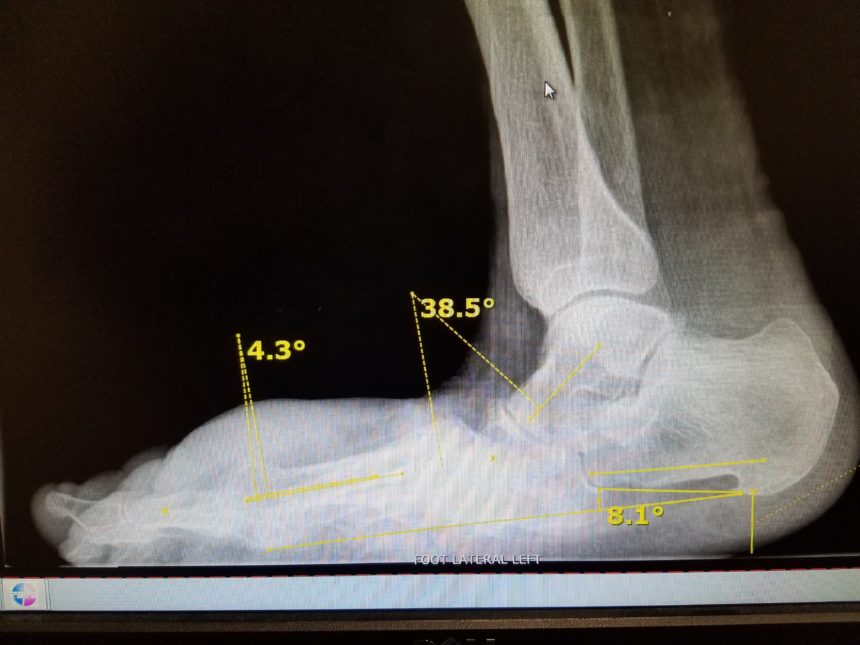
    The Charcot foot is a condition where the bones of the foot start to lose its integrity. As well as the ligaments in the foot will not hold up the boney structure anymore. This is a complex metabolic process that scientists and doctors have not been able to come up with a solution on how to prevent it. As well there is no current solution on how to stop the process on a cellular level once the charcot foot or charcot ankle process begins. Once this happens the foot can become very deformed. These deformities can lead to ulcers and infections of the foot. Once the bone gets infected (osteomyilitis of the foot) then it can lead to amputation of the foot. Dr Wrotslavsky employs a method of correction of these deformities as well as many other deformities of the foot ankle and leg that can re align the foot ankle and leg in the proper position.

    Take a look at the videos above of patients of Dr Wrotslavsky. These are actual people that have been told they need amputations of their legs and after treatment are walking with their own two feet.