Category: Charcot foot

  • Transverse Tibial Transport: A Limb Preservation Option for Patients with Severe Circulation Problems

    Transverse Tibial Transport: A Limb Preservation Option for Patients with Severe Circulation Problems

    When blood flow to the foot becomes critically reduced—often due to diabetes or peripheral artery disease—patients can develop non-healing wounds, infections, or gangrene. In the most severe cases, the risk of amputation becomes very real.

    Traditionally, treatment has focused on vascular procedures designed to restore blood flow to the foot. However, there is an emerging limb-preservation technique called Transverse Tibial Transport (TTT) that works through a completely different biological mechanism.

    At the Advanced Foot and Ankle Center of San Diego, this innovative technique may be considered for carefully selected patients as part of a comprehensive limb preservation strategy.


    The Challenge: Critical Limb Ischemia

    Many patients who develop severe foot wounds suffer from a condition called Peripheral Artery Disease, where arteries that supply the legs and feet become narrowed or blocked.

    In advanced cases—often referred to as Chronic Limb-Threatening Ischemia—the body simply cannot deliver enough oxygen and nutrients to the tissues of the foot. This leads to:

    • Chronic non-healing ulcers

    • Severe infections

    • Tissue death (gangrene)

    • Risk of major amputation

    For many years, treatment has focused on restoring blood flow through vascular interventions.


    Traditional Approach: Vascular Procedures

    Most patients with severe circulation problems are treated by vascular specialists using procedures such as:

    • Angioplasty – inflating a small balloon inside the artery to open a blockage

    • Vascular Stenting – placing a metal scaffold to keep an artery open

    • Peripheral Artery Bypass Surgery – surgically rerouting blood flow around blocked arteries

    These procedures can be extremely valuable and lifesaving. However, they are not always possible or successful.

    Some patients have:

    • Diffuse small-vessel disease

    • Multiple failed revascularization attempts

    • Arteries that are too diseased for bypass

    • Persistent wounds despite improved blood flow

    For these patients, additional limb-preserving strategies may be necessary.


    A Different Concept: Transverse Tibial Transport

    Transverse Tibial Transport is based on a fascinating biological principle: controlled bone movement can stimulate the body to grow new blood vessels.

    The technique was developed from principles of Distraction Osteogenesis, originally pioneered by orthopedic surgeon Gavriil Ilizarov.

    In distraction osteogenesis, slowly moving bone segments stimulates the body to generate new bone, soft tissue, and blood vessels. Surgeons discovered that these same biological signals can dramatically improve microcirculation in the limb.


    How the Procedure Works

    During a Transverse Tibial Transport procedure:

    1. A small rectangular segment of bone is created in the Tibia (the shin bone).

    2. This bone segment remains attached to the surrounding tissues.

    3. A specialized external device slowly moves the bone segment side-to-side over time.

    4. This gradual motion stimulates:

      • Growth of new blood vessels

      • Increased circulation to the foot

      • Improved tissue healing capacity

    Unlike vascular procedures, this method does not open blocked arteries. Instead, it encourages the body to create new microvascular networks that improve blood flow to the foot.


    Why This Matters for Limb Preservation

    For patients with severe circulation problems, Transverse Tibial Transport may:

    • Improve blood supply to the foot

    • Promote healing of chronic ulcers

    • Reduce infection risk

    • Lower the chance of major amputation

    In other words, it provides another pathway toward saving the limb when traditional options are limited.


    Not a Replacement for Vascular Care

    It is important to understand that Transverse Tibial Transport does not replace vascular procedures.

    In many cases, the best outcomes occur when:

    • Vascular specialists optimize arterial blood flow

    • Limb preservation surgeons address infection and wounds

    • Advanced orthopedic techniques stimulate tissue regeneration

    This team-based approach is often necessary in the most complex cases of limb-threatening disease.


    Why Surgical Expertise Matters

    Transverse Tibial Transport is a technically demanding procedure that requires specialized training in:

    • Limb reconstruction

    • Deformity correction

    • External fixation techniques

    • Advanced limb salvage surgery

    These skills are derived from the field of limb reconstruction surgery, which uses precise bone and soft tissue manipulation to restore function and preserve limbs.


    Why the Advanced Foot and Ankle Center of San Diego Is Uniquely Positioned

    The Advanced Foot and Ankle Center of San Diego focuses extensively on complex limb preservation and reconstruction.

    This includes expertise in:

    • Limb salvage surgery

    • Bone reconstruction and deformity correction

    • External fixation techniques

    • Advanced wound management

    Because Transverse Tibial Transport is based on the principles of limb reconstruction, it fits naturally within a practice that specializes in orthopedic limb salvage and complex lower extremity surgery.

    This type of training allows for:

    • Careful patient selection

    • Precise surgical technique

    • Integration with wound care and infection management

    • Comprehensive limb preservation strategies


    Who Might Be a Candidate?

    Patients who may benefit from evaluation for Transverse Tibial Transport often have:

    • Severe diabetic foot ulcers

    • Chronic non-healing wounds

    • Poor circulation in the foot

    • Limited vascular surgical options

    • High risk for amputation

    A detailed evaluation is required to determine whether this procedure is appropriate.


    The Goal: Saving the Limb

    For patients facing the possibility of major amputation, every additional limb-preserving option matters.

    Transverse Tibial Transport represents a powerful new tool in the fight against limb loss, working through the body’s own biological ability to regenerate blood vessels and heal tissue.


    Learn More

    Patients with chronic foot wounds or circulation problems should seek evaluation from specialists experienced in limb preservation and reconstructive foot and ankle surgery.

    Early intervention often provides the best opportunity to heal wounds, control infection, and preserve the limb.
  • Foot Infection Antibiotic discussion Kimyrsa

    Next up is KIMYRSA. KIMYRSA is a new IV antibiotic with similar uses as Dalvance: treating acute bacterial skin and skin structure infections with antibacterial properties against a similar spectrum of aerobic Gram-positive bacteria. It is the second generation of this specific antibiotic, the first being Orbactiv. It is from the same family of antibiotics as Vancomycin , however it has a significantly better safety profile and does not require and IV hanging out of your arm/

    Why I Like it:

    1. Three Mechanisms of Action vs One: KIMYRSA is a lipoglycopeptide that acts in 3 different ways to kill bacteria. For those of you who are interested in more specifics, here is a video off their website that explains it.
    2. 1 Dose for 14 days of treatment: Like Dalvance, KIMYRSA also requires only 1 dose for 14 days of treatment. The benefits of which I discuss in the previous post (hyperlink to Dalvance post).
    3. Minimal Risk to Kidneys: One of the risks of long-term antibiotics, especially in cases of chronic/recurring infection and complex systemic infections with multiple sources where multiple antibiotics or rounds of antibiotics are required, is developing acute kidney injury (AKI). However, from the research that has been performed to date, KIMYRSA is not metabolized in the liver or kidneys but is instead excreted unchanged in urine and feces over time. As such, it does not need to be dose adjusted for renal impairment because it does not involve the kidneys at all, minimizing risk of developing AKI with use. In at risk patients or patients with chronic kidney disease, this is a very promising option.

    As I discussed in a previous post, antibiotics are complicated. Not every antibiotic is ideal for every patient’s particular circumstances. But, for the right patient, I’m excited about KIMYRSA and what it can offer for treatment for patients.

    *I have no financial interest in Melinta Therapeutics

    Written by Dr. Gavin Tsuchida

    Dr. Tsuchida recently moved to San Diego from New York and is enjoying the beach and hiking when he’s not providing thoughtful, personalized care for his patients.

  • Diabetic Toe Wounds

    Diabetic Toe Wounds

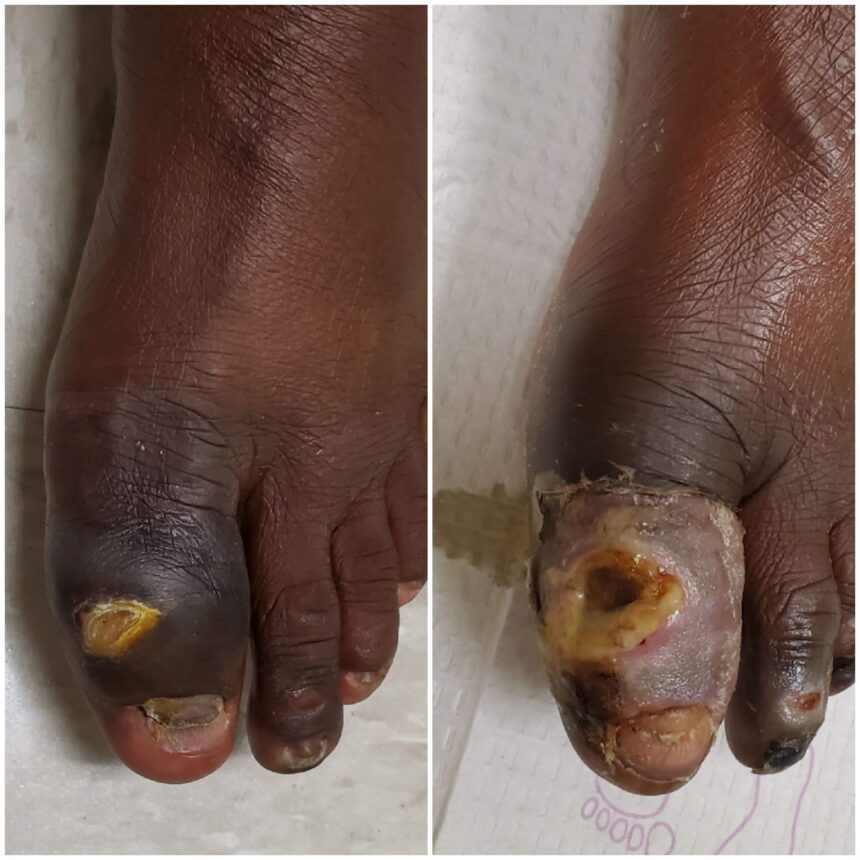
    Not all wounds of the foot need surgery. Too often doctors can be pre-programmed to tell a patient when faced with a difficult diabetic toe wound, to just amputate the toe. Amputation many times is the best solution, but not always.

    Diabetic toe wound
    before and after diabetic toe wound

    As can be seen in the picture above, the toe on the right is the initial presentation of the patient , the one on the left is a little then 2 months later.

    The above patient presented with a deep penetrating diabetic toe wound and was at high risk for loss of a toe. X rays were positive for bone infection.

    infected bone
    infected bone

    Not all toes that are infected, even if the bone is infected, need amputation. This is a great case of no surgery needed. 6 Weeks IV antibiotics was all that was needed to get rid of the infection.

    resolving infection
    resolving infection

    This case is a great example of not rushing to surgery, and utilizing a team approach of Vascular and Infectious disease specialists to prevent amputation.

  • Charcot Foot And Ankle Reconstruction

    I was recently asked to give a lecture on Charcot foot and ankle reconstruction and thought that this was an opportune time to write a blog about the new updates and treatments regarding Charcot foot and ankle reconstruction.

    Charcot right foot and ankle reconstruction has undergone many types of treatment options over the past 100 years.  We have moved far past needing to amputate patients that are affected with Charcot neuroarthropathy, as the first line of treatment.  Most of the patients today can do well with reconstruction techniques that allow them to go back into her shoe or to be in a boot.

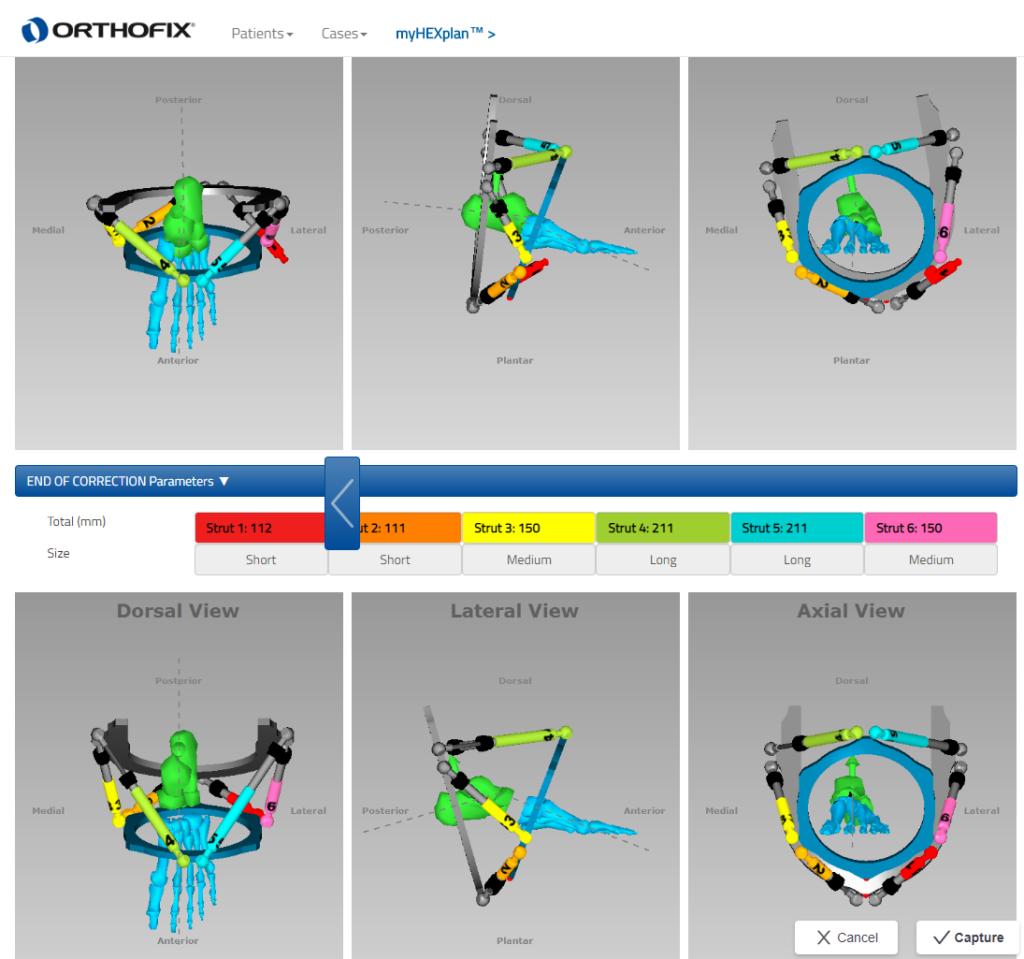
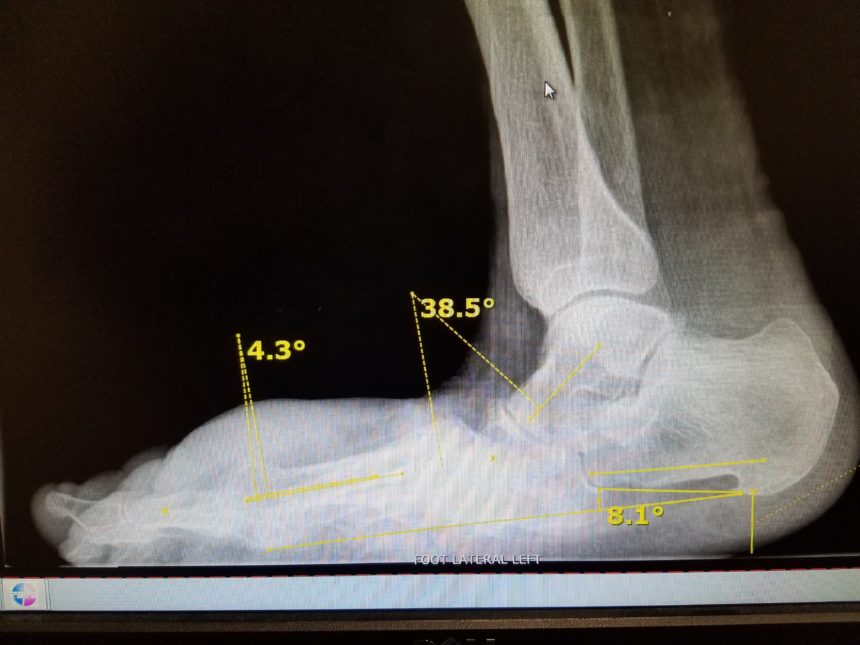
    With regard to Charcot foot reconstruction, many advancements have been made in deformity analysis and deformity correction techniques that allow for minimal removal of bone and minimal removal of soft tissue that also allow for maintaining the length of the foot.  We used various computer deformity programs that allow us to accurately measure how much bone needs to be removed as well as the precise area of where to make the bone cuts when necessary to reposition the bone after the collapse of a Charcot foot or ankle.

    1 of the big advances that we have been able to make with Charcot reconstruction is the beaming technique.  Intramedullary beaming of the foot and the ankle allow for a stable structure that makes it easier for the bones to heal.  As opposed to in the past when big incisions were made with the application of plates with multiple screws the beams have better strength and from a mechanical standpoint hold a better than plates and screws.  Due to the fact that people with Charcot have weakened bones, you will notice that many people Charcot have external fixators applied. Those external fixators are very important in allowing for the beaming procedures to be successful as it prevents 1 from moving the leg around or putting too much weight on their leg while the beams are working.  Some people have very large deformities that require a technical gradual deformity correction.  Gradual deformity correction is very similar to when 1 has braces for teeth.  If one will go to an orthodontist on the orthodontist would say to them,  that they were going to take your teeth and crank them into the right spot you get pretty nervous and run out of the office.  What you may have expected to hear their input on braces that slowly take the teeth and put them back in the right position.  Similar is with the foot and ankle there are many deformities that you cannot put back into the right position and 1 shot and requires a two-stage procedure.  That is why you see some of these external fixators with rods next to them that the little rod used to turn very slowly and will slowly correct the foot in the right position. One of the big advancements that we have now with deformity correction are computerized programs that allow us to take exact measurements of where the bones are where the deformity is and we are exactly to make the bone cuts so that the healing is done in the most optimal fashion.

    Computer assisted Charcot reconstruction
    computer-assisted deformity correction.

    Some of the updates that we find with ankle Charcot are similar to foot Charcot in the sense that the combination of rodding and external fixation is vital for recovery.  This comes from the same idea that since the bones are very weakened with Charcot just putting in a plate with some screws is destined for failure.  Most cases of ankle Charcot require an intramedullary rodding to hold it in place with an external fixator on top of that.  Once the healing is complete and the external fixator can take it off and then you have the rod left and there.  Most people with ankle Charcot end up doing better with this technique.  Up until the last few years when this technique became more excepted many people had failures of ankle reconstruction secondary to Charcot surgery because this was not to the excepted technique.  Now that this is the excepted technique we have gone from a 50% success rate to over 90% success rate.

    Lastly, there are many other tricks and techniques that we have found that works very well with making sure the skin heals properly.  There have been some great advancements and negative pressure therapy on incisions to help the incisions heal faster.  Utilizing all of these techniques we were able to help people with Charcot foot and ankle get back to the regular activities.  And at least prevent many amputations that are unnecessary because of these new techniques.

  • Charcot Foot Treatment


    Charcot foot requires expert treatment from surgeons that have experience treating this condition. When one is diagnosed with Charcot foot they should seek out a doctor that can show them how many of these they treated successfully. One with Charcot foot or ankle is at a high risk for loss of limb due to many factors associated with the disease. We have developed techniques that allow for accurate and reproducible treatments to save a limb diagnosed with charcot foot.

    When one is told as part of their Charcot foot treatment that they need to live in a boot (sometimes known as a CROW boot), this is helpful to prevent wounds. However this treatment does not correct the deformity associated with the disease. Unless one corrects the deformity one is always at risk to develop the ulcer and lose the leg.

    There have been many advancements in treating charcot foot deformities. Dr Wrotslavsky lectures nationally and internationally regarding proper treatment and techniques . We are able to use computer models to analyze the deformity and slowly correct the deformity. This puts much less stress on the nerves and arteries and veins in the area. Through these and other methods we can put one in a much better position to prevent amputation in charcot foot.

    If you have a foot wound and it is taking too long to heal , come in for another opinion today. Many of these wounds have other underlying issues that once addressed will get rid of the wound .

    charcot foot
    Charcot foot
  • 3D Printed Surgical Implants For Charcot Foot Surgery

    3D Printed Surgical Implants For Charcot Foot Surgery

    3D Printed Surgical Implants For Charcot Foot Surgery

    3D Printed Surgical Implants For Charcot Foot Surgery

    Today with advances in technology we have the ability to perform surgical corrections of deformities like never in the past. With the advent of 3-D custom printed implants we can now correct deformities of the foot and ankle with accurate precision. Many deformities of the foot and ankle do not have the proper implants to correct the deformities because of the unusual nature of these issues. Particularly Charcot foot and ankle deformities. When performing surgical correction of the charcot foot the surgeon must be prepared in the operating room with many backup hardware fixation methods as the Charcot deformity can be very challenging to treat.

    Why 3-D implants for the foot?

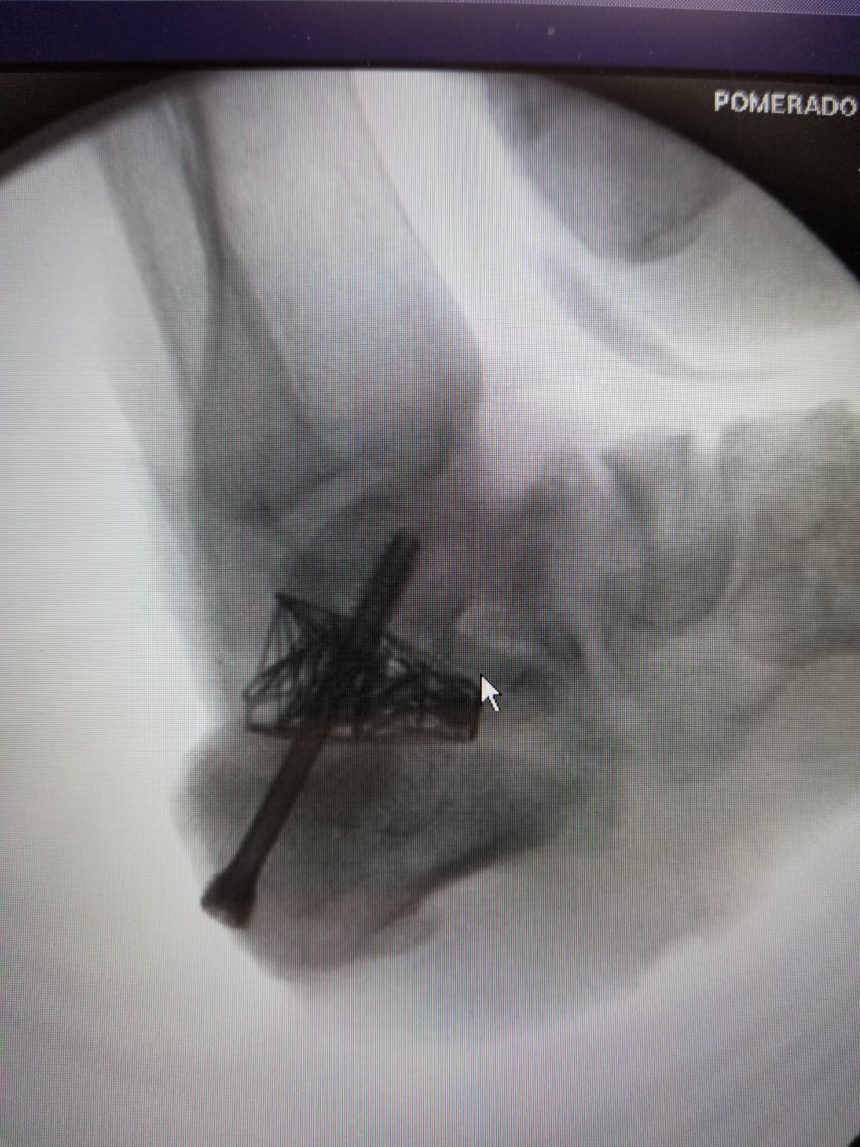
    Now with the advent of 3-D printing of surgical implants I can accurately plan out for an exact correction of the deformity and perform the surgery without any complications. As my practice focuses on limb salvage and charcot foot correction I have significant experience in all types of hardware for foot and ankle fixation. I have performed as to date the only 4 Web 3-D custom printed implants in San Diego California. First the patient is seen in the office and evaluated to see if they are candidates for the surgery. many times the patient will come to my office and be told by multiple surgeons that they need their foot amputated and that Dr Wrotslavsky specializes in amputation prevention. Next a CT scan is ordered and we create 3-D cad images to recreate the deformity digitally. Once that is done I have a special web based meeting with designers of the implant and we plan out the design . After that the implant is created and shipped for individual use. The future of surgery is here today with custom printed implants. Do not settle for an amputation come in today to see if you are a candidate for a custom 3-D printed implant.

    3-D Printed Surgical Implants For Charcot Foot Surgery

    4 Web 3-D printed implant
    3D Printed Surgical Implants For Charcot Foot Surgery
  • Hyperbaric oxygen abuse

    Hyperbaric oxygen abuse

    Hyperbaric oxygen therapy has been criticized for being overused for increasing corporate profits.Now a new study came out revealing the dark side of hyperbarics. Unfortunately it can be an overused modality that does not have the patient’s best interest in mind. You have a wound and get a referral to a wound care center. The doctors there tell you you need 20 to 25 hyperbaric dives to heal your ulcer. Besides the underlying corporate greed you also need to be very aware of the potential physical hazards. https://www.ncbi.nlm.nih.gov/pmc/articles/PMC5467109/ The list of possible complications with hyperbarics treatment can be frightening. Collapsed lungs, ruptured eardrum, Sinus barotrauma, paranasal barotrauma, CNS toxicity, pulmonary toxicity, hyperoxic myopia, cataracts, nerve damage and claustrophobia are just to name a few. The article goes in depth as to all the possibilities as to what can go wrong. Too often hyperbarics is taking the place of proper wound care. I lecture around the country with other doctors and hear them constantly complaining how the patients that are getting hyperbarics are not getting proper surgical debridements. That the patients are not getting timely consult with plastics, vascular and podiatry. These fields are trained to close the wounds via skin grafts and flaps. It is common that patients getting hyperbarics are discouraged from getting VAC and negative pressure therapy. I recently heard this sentiment from a very respected

    Foot ulcer with gangrene
    Foot gangrene

    local plastic surgeon. What blows my mind is that there are thousands of peer reviewed published articles showing without a doubt negative pressure can close wounds months faster. With barely any good data supporting hyperbarics for wounds.

    Hyperbaric oxygen abuse

    At this point you may be asking how is this so. Here is hyperbarics dirty little secret. When you are prescribed hyperbarics by a wound care center more often than not they have a very big financial interest involved in getting you to do the treatment. There are some large wound care companies that will place the hyperbarics machines by the hospital and with creative contracting that give financial benefits to all involved. This financially will help the hospital and wound care center because medicare pays a large amount for a hyperbaric dive. On average you can spend 3 hours a day to get into the hyperbarics machine ( that includes getting to the facility getting onto the machine and getting home). Medicare has documented over use of this treatment. Studies have questioned its benefits. The American Diabetes Association has stated by its experts that there is not enough data to show that hyperbarics works for diabetic wounds.

    I am not saying that hyperbarics is not ever indicated. One should always get a second opinion from a plastic , vascular or podiatric surgeon if there as a way to close the wound quicker and more effectively.

    Hyperbaric oxygen abuse

    Here is the article published by kaiser health news  discussing the corporate interests in hyperbarics https://khn.org/news/hospitals-put-more-stock-in-hyperbaric-therapy-for-diabetics-despite-concerns/

    Here is one from the Washington Post https://www.washingtonpost.com/national/health-science/hyperbaric-wound-treatment-often-for-diabetics-is-booming-is-that-a-good-thing/2017/06/23/972d50a6-5065-11e7-be25-3a519335381c_story.html?utm_term=.936344b96662

  • Charcot Medial Column Fusion Surgery

    Charcot Medial Column Fusion Surgery

    Check out our latest you tube video on Charcot Medial Column Fusion Surgery


    Many of my patients come in being told by multiple doctors that they need their foot amputated. There are always techniques available to prevent amputation. Charcot Medial Column Fusion Surgery is one method employed in certain cases that allows for a foot reconstruction. And for one affected with Charcot foot the last thing someone wants to hear is that they need an amputation. Foot and ankle amputation rates are soaring in California, as well as San Diego has the highest rates of amputation. We strive to offer limb saving strategies. Our goal is no more amputations for the diabetic foot. Utilizing advanced imaging and deformity analysis, we develop plans and strategies to save the foot.

    Charcot Medial Column Fusion Surgery

    The key is our team approach with vascular and infectious disease and the patients diabetic doctors. Dr Wrotslavsky Lectures to other doctors around the world teaching others his techniques that he has designed in order to save legs at risk. If you have a diabetic foot ulcer or maybe you were told you needed an amputation come in for an evaluation. I always encourage my patients to get a second opinion. Recently I had a patient in the hospital and he was recommended an amputation by a surgeon that admittedly did not understand the complexities of the diabetic foot. The patient stood his ground and refused and still has his foot with a healed wound.

    The Charcot Medial Column Fusion Surgery is a great way to realign the severe deformity that usually happens when the foot collapses. It gives excellent structural support and allows one to start walking again in supportive shoes. So stop procrastinating and come in to get evaluated to see if this procedure is the right one for you.


  • TrueLok Masters Club

    TrueLok Masters Club Boston July 2017

    Trulok Masters Club update

    It was an amazing weekend of top notch education at the truelok masters club in Boston. I am continued to be amazed that a corporate sponsored event can give a higher level of education than many CME events available. It began on a solemn note with a dedication to Dr Scott Denisar. Dr Denisar passed away at a young age of 39. He was dedicated to the field of foot and ankle surgery. As well as education in treatment of various foot and ankle diseases. A beautiful plaque was presented by Scott Day of Orthofix in memory of Dr Denisar. It is a breath of fresh air to see the human side of a corporation and how Orthofix went the extra mile to keep Dr Denisar’s memory alive. Kudos to Scott Day and the whole Orthofix team.

    The Masters club  focused this time on surgical complications. There was much learned and some great heated discussions as to how to scientifically define and manage complications. A big hand of applause to all the surgeons who had the courage to present their difficult complications. We all learnt from each others mistakes so that we do not have to repeat them.  Charcot foot and ankle continues to take a front and center stage in these conferences as well as plastic surgery approaches to the disease with the use of flaps and frames.  There was an excellent sprinkling in of pediatric surgery . With a great discussion on bone regenerate issues. External fixation still is the accepted best treatment for most charcot foot and ankle cases. However one must realize that charcot foot is a different biological process than Charcot ankle. Beaming of the foot is the future of correcting charcot foot. As well there are some new nano metals and cages that are coming into play that can have significant impact in treating charcot foot and ankle.

    Looking forward to the next Truelok Masters club in San Francisco, with a focus on deformity analysis and correction.

  • San Diego Charcot Foot Testimonial

    San Diego Charcot Foot Testimonial

    San Diego Charcot Foot Testimonial

    San Diego Charcot Foot Testimonial San Diego Charcot Foot Testimonial 

    San Diego Charcot Foot Testimonial

    Treating diabetics is one of the primary issues that Dr Wrotslavsky performs at the Advanced Foot And Ankle Center of San Diego. One of the challenges with diabetics is the condition called charcot foot. Dr Wrotslavsky has been successfully treating charcot foot and ankle for over 15 years. He lectures around the United States on Diabetic Charcot foot. Dr Wrotslavsky has developed many techniques that has led to saving many feet of patients that have been told they will need their leg amputated. Charcot Neuroarthropathy is a devastating disease that if not treated properly can lead to loss of leg and even unfortunately loss of life. One can see from the real patient testimonies that Dr Wrotslavsky has an excellent record of treating the diabetic foot and the charcot foot.

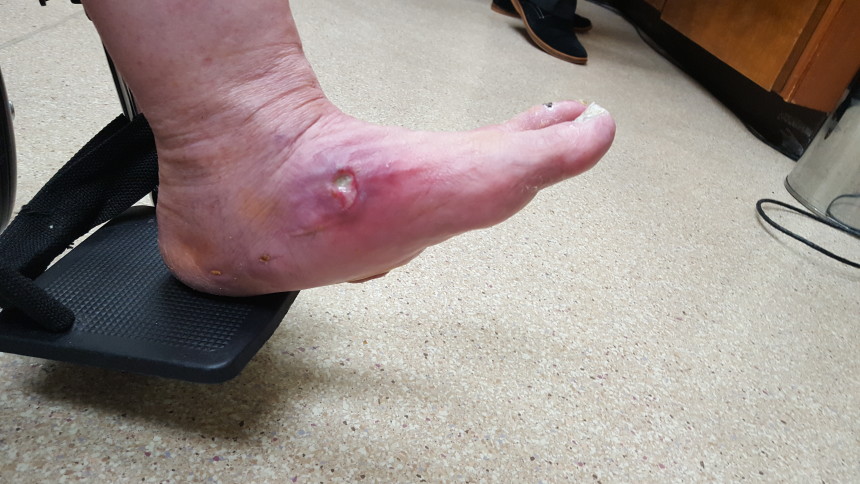
    Pre surgery Charcot foot

    The Charcot foot is a condition where the bones of the foot start to lose its integrity. As well as the ligaments in the foot will not hold up the boney structure anymore. This is a complex metabolic process that scientists and doctors have not been able to come up with a solution on how to prevent it. As well there is no current solution on how to stop the process on a cellular level once the charcot foot or charcot ankle process begins. Once this happens the foot can become very deformed. These deformities can lead to ulcers and infections of the foot. Once the bone gets infected (osteomyilitis of the foot) then it can lead to amputation of the foot. Dr Wrotslavsky employs a method of correction of these deformities as well as many other deformities of the foot ankle and leg that can re align the foot ankle and leg in the proper position.

    Take a look at the videos above of patients of Dr Wrotslavsky. These are actual people that have been told they need amputations of their legs and after treatment are walking with their own two feet.