Category: Uncategorized

  • Lateral Ankle Instability part two

    Lateral Ankle Instability part two

    Lateral Ankle instability part two. It’s been a few months and you keep spraining your ankle, you have tried a brace and even a custom brace. Now you are very frustrated and want to know your options. First thing is get a thorough exam. Is there a positive anterior draw sign. Is there excessive inversion of the ankle. Where x rays taken to rule out stress fractures and osteochondral defects. There is a special X ray technique that we perform called the stress inversion x ray exam this exam is quite helpful in telling us if there are ankle ligament tears. Next is an MRI. MRI’s are very helpful in letting you know if there are tears, However it is my experience not to fully rely on MRI’s for they can be wrong many times. I have had many patients that have had severe instability  with multiple sprains a week that had an MRI read as an intact ligament , but opted for surgery due to the major instability. What do you know, when I opened the area where the ligament was supposed to be there were none. Other things to be aware of are 2 conditions . One- torn peroneal tendons which can contribute to instability. It is important to repair torn peroneal tendons in order to maintain normal foot and ankle function. Also the position of your heel can contribute to ankle instability. It is called a varus positioned heel. If one has such a heel all the ligament repairs in the world won’t help because the stresses of the heel will re tear the ligaments. In those unique cases the heel bone needs to be re aligned into a proper position in order to obtain proper function. I have seen too many cases of ligament repairs gone bad because of other issues that were not identified .

    this is a letter from a patient of mine that had sustained a ligament tear while on the job fighting fires. ” Dear Dr Wrotslavsky  Thank you for fixing my ankle . After I tore my ankle ligaments I thought my career as a firefighter was over. I needed my ankles to work in order to go down steep slopes while fighting fires. I was also so worried because I loved to play basketball on the weekend and I could not after the ankle ligament tear. Thank you for Taking the time to carefully look over my MRI and explain everything in depth what was needed to be done surgically to fix it. I now have a very stable ankle for over a year and have not felt any pain and I am able to perform my job as a firefighter. and I can also play ball on the weekends. Thank you Dr Wrotslavsky   S.B. San Diego California

    Lateral Ankle instability part two

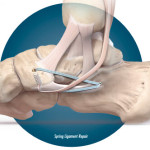
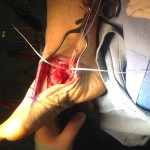
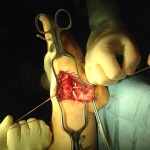
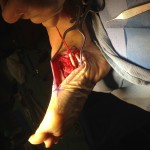
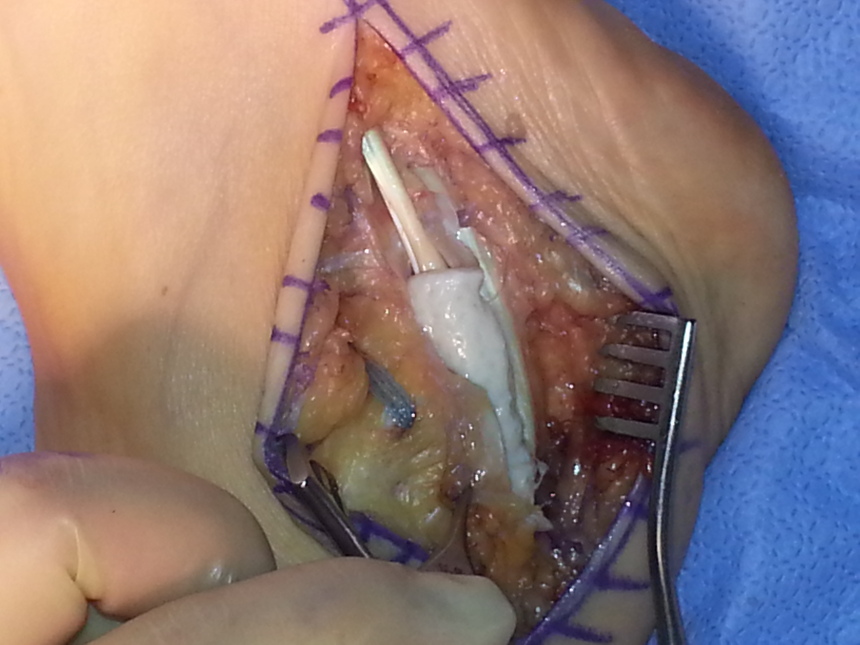
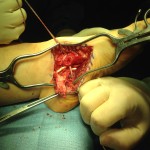
    below is a picture of a ankle ligament repair due to Lateral ankle instability along with a peroneal tendon repair using the internal brace technique

    peroneal tendon wrap with ATFL repair
    peroneal tendon wrap with ATFL repair


  • Misonix Ultrasonic bone Scalpel

    Misonix Ultrasonic bone Scalpel

    Misonix Ultrasonic bone Scalpel

    I would like to introduce to you a great new innovation in bone surgery called the Misonix ultrasonic bone scalpel.

    Misonix Ultrasonic bone Scalpel

    This is a device that allows for accurate removal of bone when necessary with out the complications that can arise while using traditional bone saws. Many foot surgeries call for the  removal of bone or to cut bone. Sometimes there is infected bone such as osteomyelitis that needs to be removed . Sometime there are fractures that healed in the wrong position or did not heal at all that is known as Malunions and Nonunions.  these bones may need to be recut to put them back in the proper position. The challenge in these cases is that the bone can either be to hard or too soft. These suboptimal conditions can lead to inaccurate bone cuts or increased heat while cutting the bones of the foot or ankle. Which can cause the bone not to heal.

    The Misonix bone scalpel is a great addition to the operating room for these complex foot and ankle surgeries. using ultrasonic technology one can have accurate bone cuts while preserving the cellular content of the bone that is left behind. Thereby allowing the remaining bone to have the opportunity to heal properly.

    When we perform surgery we want to limit as much as possible any risks to vital structures. While it is impossible to remove all risk my goal is to make use of what is available to limit as much as possible. Using this device especially while performing appropriate MIS , minimal incision surgery we can perform deformity correction of the foot with limiting risks to vital structures such as arteries and nerves. Since there is the use  of ultrasound it limits many issues that arise when using the traditional bone cutters.

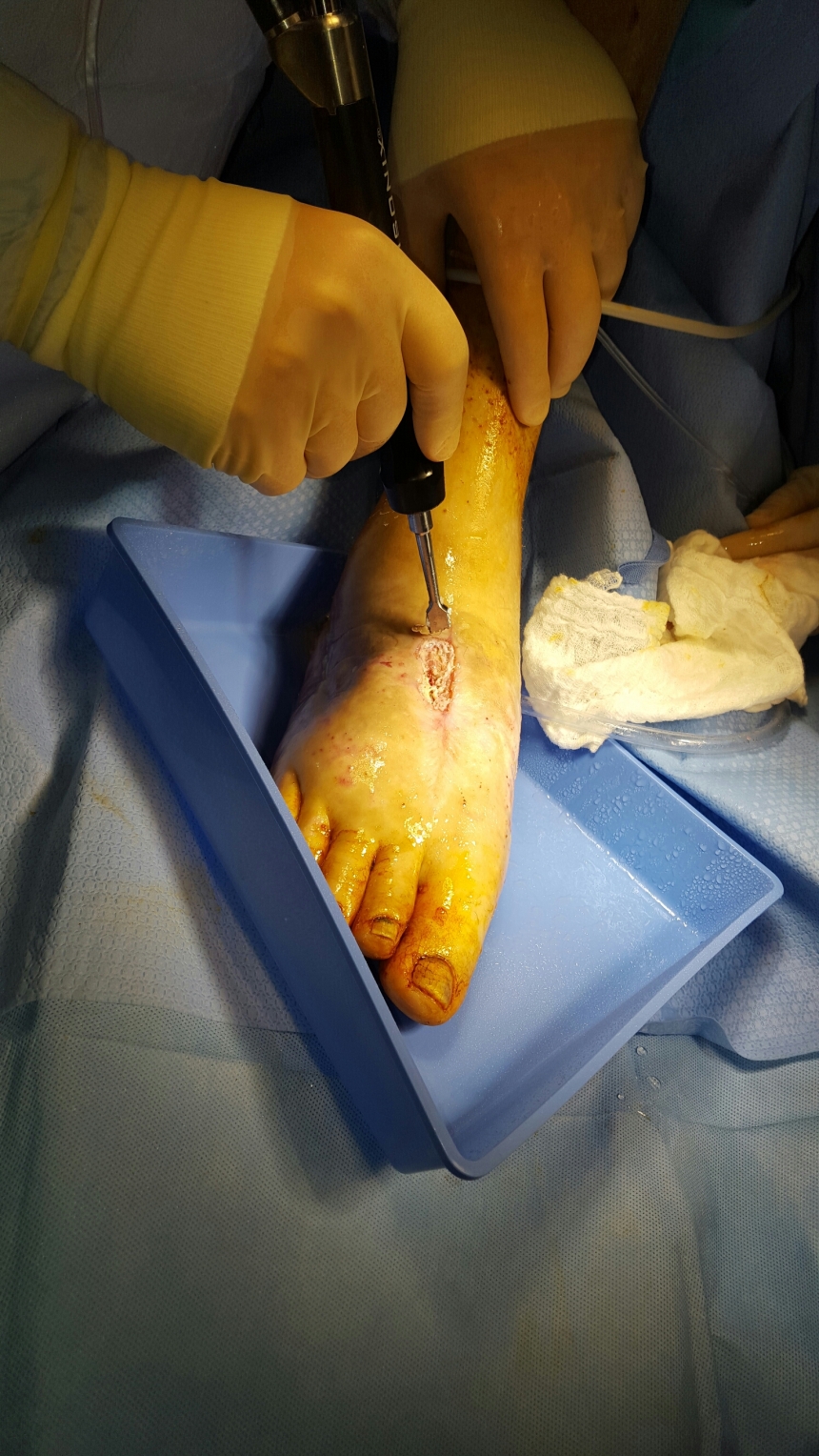
    Below is a video of myself performing a removal of extra bone from the ankle using the misonix bone scalpel.


    Misonix Ultrasonic bone Scalpel

  • Heel pain therapy

    Heel pain therapy

    Heel pain is one of the most common problems when patients experience foot pain. It has been reported that approximately 40% of people in the U.S. suffer from heel pain at any given time. The major cause of bottom-of-the-foot heel pain is plantar fasciitis.

    The plantar fascia is designed to support the arch and absorb high stresses the foot takes on as we go through our day-to-day activities. Sometimes these stresses become too much for the tissue to handle. This can cause micro-tears to the tissue which result in pain and inflammation to the heel (where the plantar fascia attaches). You may even have a spur at the insertion site (this however is typically just a symptom of the problem, not the cause of the pain). Fortunately, plantar fasciitis can be treated with a wide range of options, most of which are nonsurgical. These include rest, ice, steroid injections, biological injections, stretching, orthotics, night splints, and physical therapy. If these options fail, surgical release of the plantar fascia is a potential solution to the problem.

    There have been some very promising advances in care for heel pain. Such as platelet rich plasma PRP injections and amniotic fluid injections. The amniotic membrane injections are very exciting because they allow the body to repair itself using the young cells found in the placenta. Those cells are precursor cells and high in anti inflammatory properties. Patients have been very satisfied with these treatments as they don’t require a incision and don’t require a trip to the operating room.

    Physical therapy and stretching and custom molded orthotics will always play an important role in the treatment of heel pain.Many studies have linked a tight achilles as the source of the heel pain. So be sure to do a lot of stretching.

    If you are suffering from heel pain, please give my office a call to schedule an appointment. You do not need to suffer any more!

    ankle spur heel spurHeelSpur

  • Brachymetatarsia

    Brachymetatarsia

    Brachymetatarsia is a congenital condition that results in one having a shortened metatarsal bone in the foot. Cosmetically the foot will appear with a shortened toe. Commonly it occurs on the 4th toe in which the 4th toe is shorter than the 3rd and fifth toe. Brachymetatarsia occurs more in females than males. It can by part of a syndrome of other conditions as well.

    The question that people grapple with when affected with Brachymetatarsia is ” Should I have surgery to correct this condition? Is the surgery successful? ” This is a condition that is a structural deformity of the bone of the foot. It will not change by itself. One can choose to correct it for various reasons. The shortened bone can cause large painful calluses as well as other biomechanical issues that can cause you foot pain and discomfort. Also the foot can be very cosmetically displeasing. These are some of the reasons one would take into consideration while deciding if you wanted to have this condition corrected.

    The ways to correct the foot and lengthen the bone have been done for many years and have a high success rate. One way is to cut the bone and put in a bone graft that brigs it out to length in a one shot surgery . This has some drawbacks, particularly the surrounding arteries and nerves can not tolerate a large pull on them in one shot. It can cause circulation and nerve damage to the toe to do it in one setting.

    The other preferred method  for surgical correction of brachymetatarsia is called the gradual lengthening technique. This method involves cutting the bone and applying a device that slowly pulls the bone apart (and arteries and neves , slowly) until the bone is at the proper length. The space is filled in with new bone supplied by the patients own healing abilities. This is called gradual correction or callus distraction. One can walk on their foot during this process,

    It is very important to choose a well trained surgeon when deciding to undergo this correction. Here at the Advanced Foot and Ankle Center of San Diego , Dr Wrotslavsky is fellowship trained in limb lengthening and has many years of experience in these complex procedures.


    Brachymetatarsia first metatarsal
    Brachymetatarsia first metatarsal
    Brachymetatarsia first metatarsal
    Brachymetatarsia first metatarsal

    Brachymetatarsia first metatarsal

  • MRSA Foot Infection

    MRSA Foot Infection

    MRSA Foot Infection

    MRSA is a staph bacteria that is resistant to the usual antibiotics that treat staph. This is now in the news due to the recent infection that the tight end of the New York Giants, Daniel Fells is dealing with . He has undergone already 7 surgeries to save his foot. At this time it is unknown what the exact cause of his infection is from. There have been claims that it grows easier on artificial turf football fields, to it growing in the clubhouses of football teams . These superbugs are prevalent due to over prescribing of antibiotics, thus the bacteria develops resistance to usual treatment. lesson one, do not over prescribe antibiotics.

    Once these infections get bad enough, if an abscess forms then it need surgery to drain and wash it out. All non viable and necrotic tissue needs to be carefully removed. The Misonix ultrasonic debrider is an excellent device to do this. The use of high pressure pulse lavage systems have fallen out of use due to it pushing the infection further up the leg. These days a soapy solution with multiple gravity pressure rinse is proving to be more beneficial for drainage and washout of infections and abscesses.

    MRSA in the foot can be devastating and lead to amputation. An infectious disease specialist will play an important role in choosing the right antibiotic. There is usually the need for placement if an IV or PICC line to get the antibiotics intravenously. However there is also an alternative medicine to take by mouth . It is called Zyvox ( Linezolid). This is a medicine used to treat MRSA foot infection. and has a high amount of bioavailability, meaning it gets to the tissue that’s infected.

    Diabetic foot ulcers have a high chance of getting MRSA infections. Also your teenager with ingrown toenails that become infected can get MRSA. Dont underestimate a sports injury whether its your high schooler of college athlete as well as those weekend warriors out there.  They can be serious and lead to loss of limb.

    MRSA Foot Infection

    infected ingrown toenail
    infected ingrown toenail
    paronychia
    paronychia
    Charcot ulcer
    Charcot ulcer

    http://www.nfl.com/news/story/0ap3000000553694/article/mrsa-infection-leaves-giants-daniel-fells-in-dire-situation

    http://nypost.com/2015/10/19/daniel-fells-mrsa-infection-improving-but-long-road-ahead/

    MRSA Foot Infection


  • Ankle Subchondroplasty

    Ankle Subchondroplasty

    Ankle Subchondroplasty

    ankle subchondroplasty
    ankle subchondroplasty
    ankle bone marrow edema
    ankle bone marrow edema


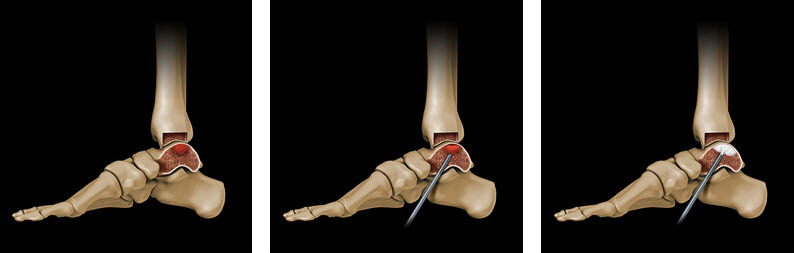
    Ankle Subchondroplasty is a technique to repair microfractures and bone marrow edema of the ankle. This technique is appropriate for repair of microfractures and bone marrow edema of the bones of the foot as well.

    Subchondroplasty is a great procedure for people that have bone marrow defects of bones of the foot and ankle. Have you been diagnosed with a microfracture and have been told there is nothing to do. Have you been diagnosed with stress fractures and have been immobilized in a cast or a cam walker and started walking again and still are having pain. Do you have foot pain that has not had a specific diagnosis and has left your physician scratching their heads and can not figure out what is wrong with you. Many times an X ray will not pick up what is wrong  and will not explain your foot pain. Many times an MRI will just show edema in the bone. It could be you have microfractures of your bones right under the joint and that is the source of your pain.

    Accufill filling
    Accufill

    Have you been told you need a joint replacement in the foot or ankle. Have you been told you need a joint fusion in the foot or ankle. Well you may not need such an invasive procedure. The alternative may be what is called a subchondroplasty. Using a minimally invasive technique that may require one or 2 stitches we can inject a bone substitute material into the defect or microfracture such as Zimmer Accufill . This material will  flow into the defect or fracture and crystallize to form a scaffold for the new bone to grow over.
    So if you have chronic ankle pain, or have been told you need a ankle fusion or ankle replacement ( or foot joint fusion or joint replacement in the foot). There is a joint sparing and joint preservation procedure available. the subchondroplasty. This is used as well in cartilage grafting procedures that we perform to replace destroyed cartilage in the foot and ankle joints.

    So make sure to visit a board certified foot and ankle surgeon that is knowledgeable in these procedures and that can help you on your road to recovery. Feel free to email me with any questions or to make an appointment if this is right for you.


  • Ankle ligament surgery testimonial

    Ankle ligament surgery testimonial

    Ankle ligament surgery testimonial

    Below is a email sent to me by a patient that had ankle ligament reconstructive surgery one year ago. She had ankle instability and was constantly spraining her ankle until she could not get into shoes anymore . Below is her letter printed with her permission.

    Ankle ligament surgery testimonial

    Dr Phil,

    I’m so upset with myself that I didn’t get a card in the mail on time to send you this. One year ago today you changed my life. Today is my one year ankle surgery anniversary. I tell pretty much everyone this because this started a new chapter in my life. My ankle would give out with the slightest change on a floor surface. I avoided hiking and running in fear of spraining an ankle and being stranded in the middle of no where.

    It was a rough road to recover. I was the worse patient but self proclaimed most entertaining. I pushed myself when I shouldn’t have and didn’t listen to you or Benny to slow down. I paid the price for this and almost had to go under a second time. Luckily someone was looking over me and helped me get over the healing slump I was in.

    365 days later I confidently find myself in 5 inch heels, hitting dips in the grass with no issues, and most importantly living an active lifestyle. I am well aware I will never run a marathon, but at least I know I can pretty much conquer everything else!

    Thank you for being the most caring/sincere/thoughtful surgeon and now friend a patient could ask for.

    Sincerely, Meg Moore

    As one can see here surgery can sometime come with a few bumps and rough sailing but even in those cases one can have very good outcomes.

    Yes you can get back into your five inch heels as well

    Please feel free to contact me with any questions

    Ankle ligament surgery testimonial

    Internal brace repair of anterior talo fibular ligament
    Internal brace repair of anterior talo fibular ligament


  • Diabetic Charcot Foot repair

    Diabetic Charcot Foot repair

    Diabetic Charcot Foot can be a devastating disease. It is many times misdiagnosed as an infection. I had a patient that was treated for an infection and he showed up to my office for a second opinion and with an x ray is was an obvious Diabetic Charcot Foot. The foot was dislocated and in a deformed position. His arteries were at risk due to compression of the bones on his circulation. He was reccomended an amputation at his knee level. We were able to save the foot and leg, it is still connected to his body. See below for a picture of his charcot foot dislocation.

    Diabetic Charcot Foot repair
    charcot foot dislocation
    Charcot foot Super construct

    As you can see the picture on the left is a dislocated foot and the one on the right is the reconstructed charcot foot. Diabetic Charcot Foot repair requires  much skill and training, One must make sure that their surgeon has performed many of these cases as there can be a lot of issues that come up during the treatment that an experienced surgeon needs to know how to handle. It is important that your surgeon is board certified by the American Board of Foot and Ankle Surgery. Also fellowship training in this area is important as it gives the surgeon the ability to recognize complications and hurdles that show up along the way. This particular patient needed an external fixator to bring the foot out to length. That took about 3 months once that was completed the second surgery took place where the hardware was inserted to maintain the position.

    Diabetic Charcot Foot repair

    Treatment of the charcot foot is a very long process and may take a year until one is back in their shoes. Much patience is needed during this process. The alternative many times is an amputation .

    I have a significant amount of experience in saving the diabetic charcot foot from getting amputated. I am about to publish data showing that this unique groundbreaking method of surgery that I perform is an accurate safe reproducible method in saving the charcot foot from amputation.

    Please contact me with any questions  regarding Diabetic Charcot Foot repair

  • Flatfoot surgery

    Flatfoot surgery

    flatfoot surgery

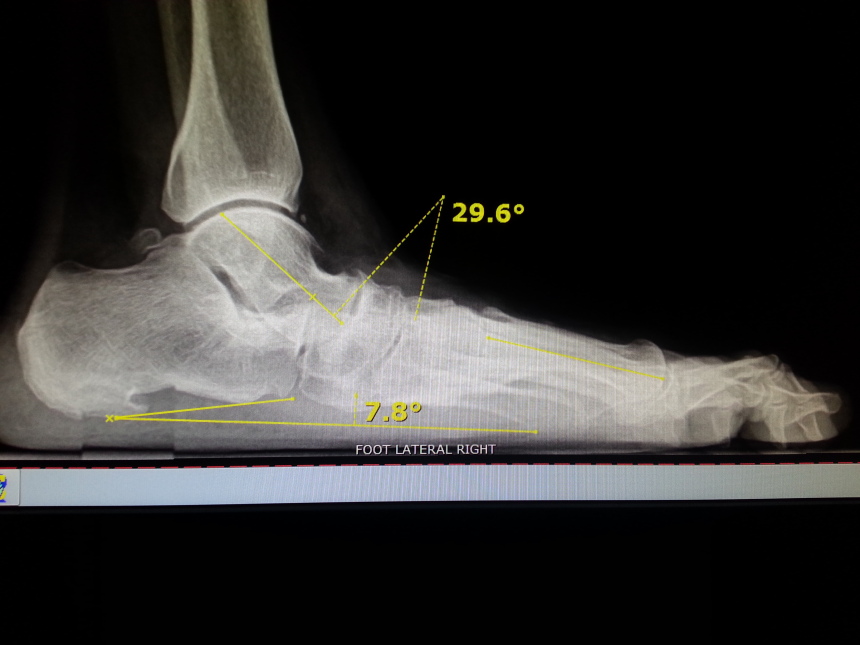
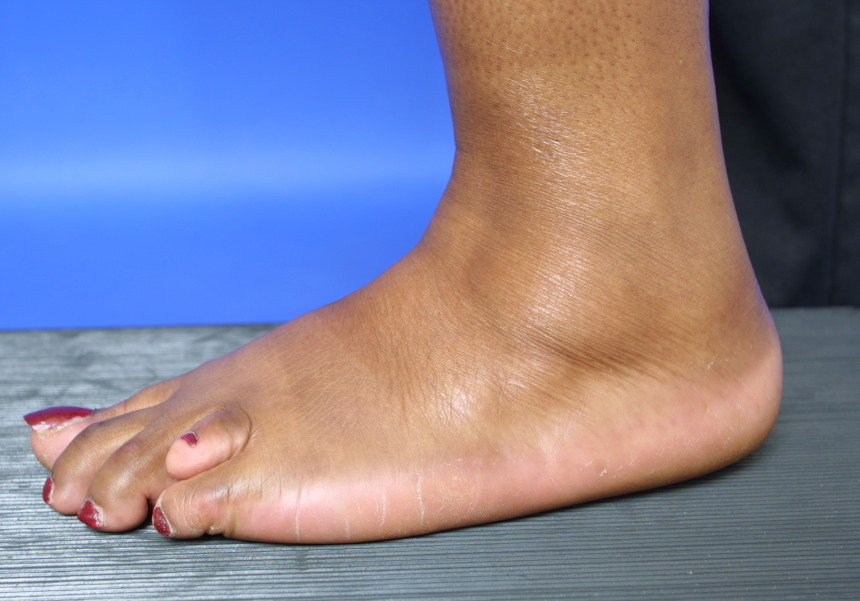
    When Choosing a doctor to treat flatfoot it is important to make sure to try many non surgical treatments prior to choosing surgery. However sometimes non surgical treatments such as physical therapy , orthotics and different types of shoes fail in giving relief to your pain. Then you need to decide can you live with the pain as it currently stands and possibly get worse. Or do you want to try something invasive like surgery. Flatfoot surgery in the correct hands can be very rewarding for the patient. One needs to make sure that their surgeon is board certified by the American Board of Foot and Ankle Surgeons ( I am double certified by them in 2 types of foot and ankle surgery and reconstruction) I am also orthopedic fellowship trained in limb reconstruction. These are important in being able to choose the correct procedure and optimize you for the best possible results. Analysis of your foot and its deformity is done at our office with digital x rays that enable me to measure the exact angle of the deformity. One must realize that there are no guarantees with surgery and we can not make any promises.

    flatfoot surgery

    When is comes to flatfoot surgery there are 3 different ways to correct the deformity. And from those 3 ways there are hundreds of combinations and subsets. If you put ten surgeons in a room you will probably get fifteen ways that they would offer to correct it. Not that one is more correct than the other but there are many correct approaches as long as you stay within accepted guidelines and norms. The first way is called soft tissue balancing. This includes tendon tightening, transfers and lengthening. As well as capsular and ligament repair . The next way is called osteotomies , which means cutting the bones and moving them to different and more optimal positions. The last is called fusions. Where the surgeon fuses (locks ) 2 bones together in a corrected position. One can use various combinations of the three to attain the proper shape ind functioning foot.

    flatfoot surgery

    Remember always try a non surgical treatment such as a custom molded orthotic prior to doing surgery . Please contact me with any questions.


  • wound debridement advancements

    wound debridement advancements

    wound debridement advancements

    Wound care of the foot and ankle today has come a long ways from years back of wet to dry dressings. With the growth of wound care centers and limb preservation programs we are able to heal wounds quicker than ever before. As well the need for amputations of toes , feet and legs are going down with proper treatment. One of the methods to heal wounds is debridement. This is just on part of the treatment and not the only thing that will heal a wound. One must remember that good blood flow and a environment free of infection and a deformity free foot are also important. healing wounds takes a multiple specialty approach that includes podiatry infectious disease specialists and vascular specialists.

    wound debridement advancement

    Wound debridement is the removal of non viable tissue from the bed of the wound. Many wounds that are slow to heal have overgrowth of tissue in it that slows down and prevents new skin to cover the wound. I compare it to a garden , how do you get a garden to grow grass you need to

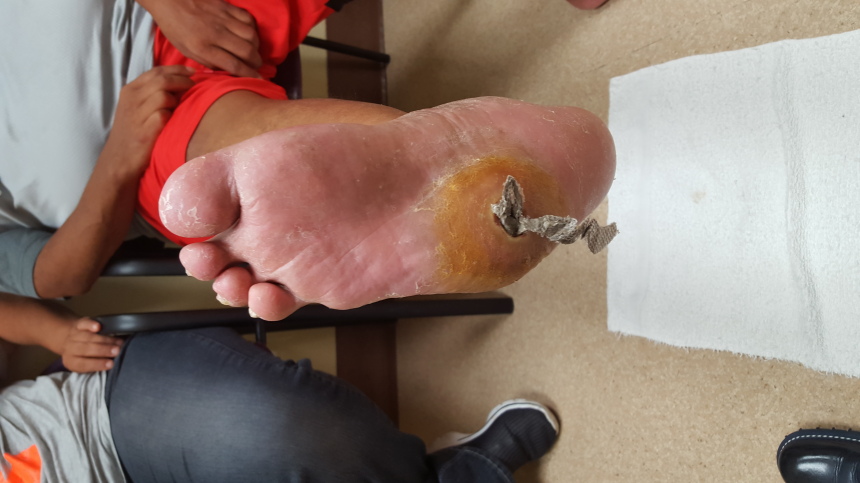
    Heel wound with gangrene
    Heel wound with gangrene

    image

    remove the weeds (debride the wound) water the grass (good vasculature and good circulation) and make sure there are no aphids and fungi growing ( remove bioburden such as infection).


    wound debridement advancements

    How does one remove the bad tissue from wounds?  Years ago the doctor would put a wet dressing on it and then it would dry and when it dried out the doctor would tear it off and along came with it the bad tissue. That was called a wet to dry dressing. We have moved away from that to much better techniques. Yes there is the classic method of using a scalpel , which works great. However the drawback to the scalpel method is that it inevitably removed healthy tissue along with it. Today there are 2 excellent water systems that remove the dead tissue one is the versajet

    The other is called Misonix

    this is myself performing a debridement with misonix

    Misonix tissue debridement


    These methods give an accurate way of removing dead tissue while maintaining the live tissue.

    One other method for which i have had tremendous success is the use of Santyl ointment http://www.santyl.com/  this is an ointment that removed the bad tissue and KEEPS the healthy tissue via enzymatic debridement. It uses collagenase to remove the unwanted tissue  and promote the growth of new skin tissue. So if you are going week after week to a wound care center for a foot wound or a diabetic foot wound or even a wound on your foot and leg from an injury of a surgery incision that has not healed  make sure to learn about these methods and see if they are right for you.

    Wound testimonial from a patient of Dr Wrotslavsky  (reprinted with patient permission)  ” Dear Dr Wrotslavsky, Thank you for caring for me and closing my wound. I was going to a wound care center for 6 months and my wound was not getting smaller. You were able to diagnose the underlying issue and took me straight to the operating room and cleaned it up. You then put a skin graft on it and now my wound is closed. I am so happy to be back in shoes , thank you”  Joan M.  La Jolla San diego.