Category: Uncategorized

  • Custom Molded Orthotics 2

    Custom molded orthotics 2

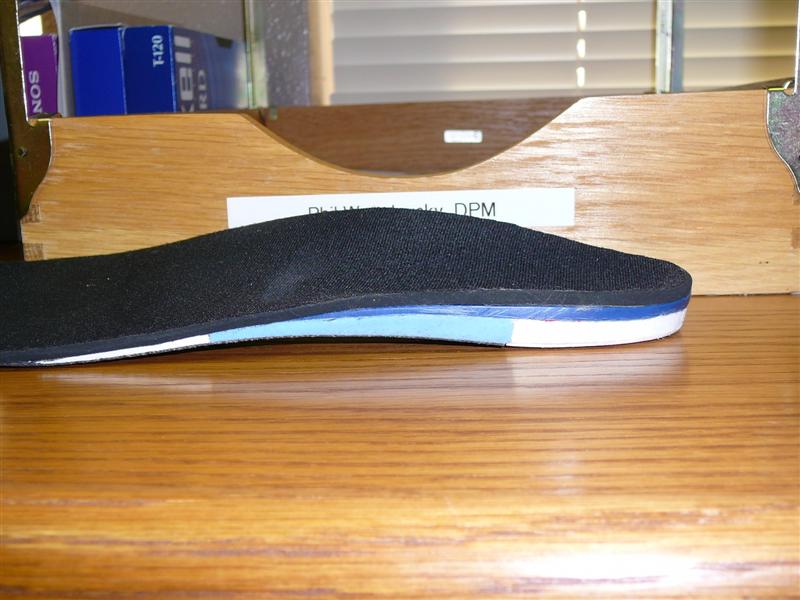
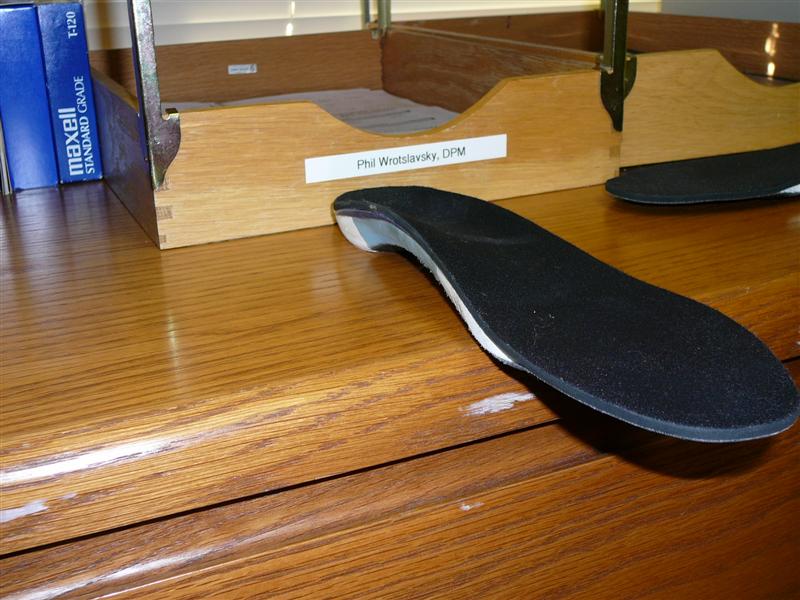
    The foot is made of 28 bones 33 joints and more than one hundred muscles tendons and ligaments. If you are not getting evaluated properly you can be hurting your foot in the long term. Many times running stores have professional runners  or semi pro runners that are giving advice on what type orthotic the patient needs. I compare this to a professional football player diagnosing their team mate with an ACL tear and also giving the treatment , that’s ludicrous. So to when you have a runner telling you that you pronate, which medical school did they learn that in. Do they have 4 years of medical school with 4 years of residency and another year of fellowship training .Countless times I have patients that come in and are told they pronate when its clear they supinate. I have many cases where someone is told they have a flat foot and upon x ray evaluation they have perfectly normal bone alignment, but the cause of their pain is a bone tumor in the heel. This is the problem when you are getting evaluated and treated by non doctors. I have had patients that have come in with flat feet and with MRI evaluation it showed a torn posterior tibial tendon. Running stores and drugstores that dispense orthotics don’t have the ability to take x rays and order MRI’s to properly treat each persons foot pathology. That is why custom orthotics prescribed and casted by your local podiatrist are better and safer for your feet. They have the most extensive training in feet. There are many ways to make orthotics and in future posts we will discuss different ways of getting the mold of the foot and how the doctor decides to give you a specific type of device. All orthotics are not the same and require good communication between the doctor and the patient as to its proper use. They are medical devices.
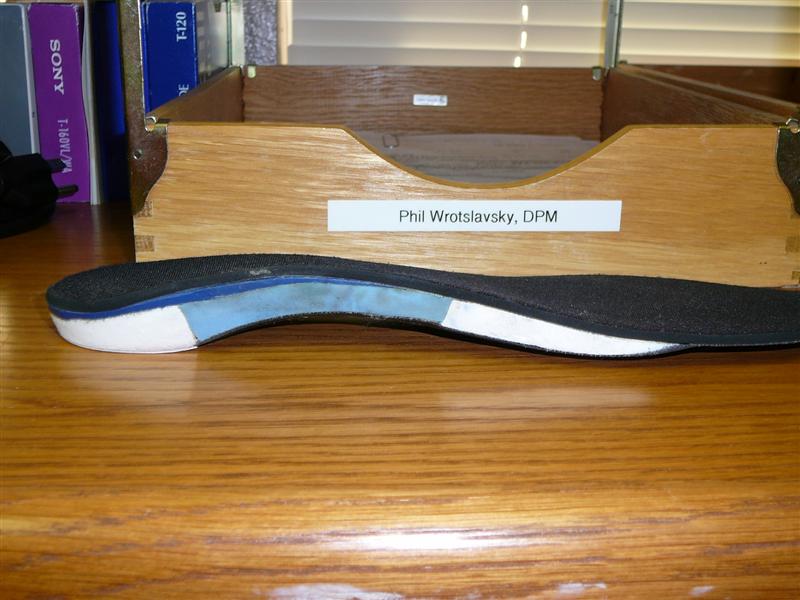
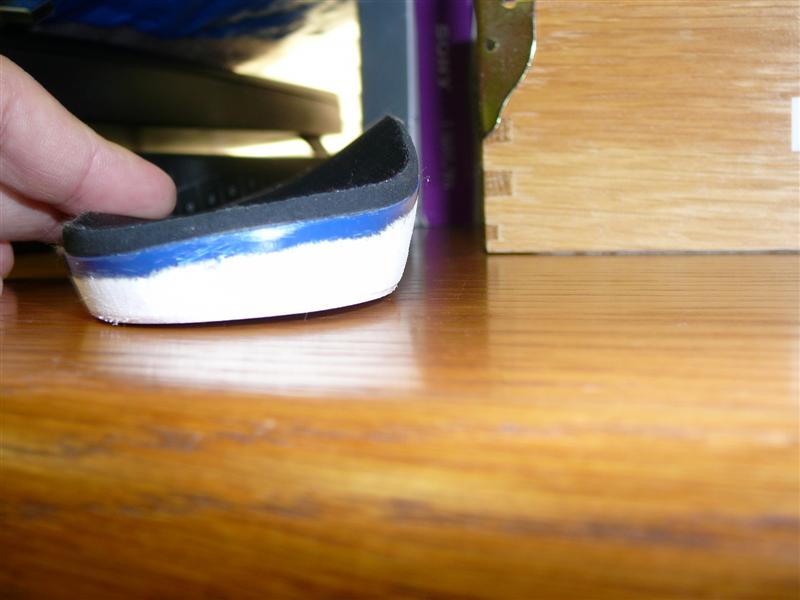
    custom molded orthotics

    P1100240 (Medium)P1100241 (Medium)P1100242 (Medium)

  • Custom Molded Orthotics 1

    Custom Molded Orthotics 1. So you have foot pain , your arches hurt or your heel hurts and you are at drugstore or the running store and you see a pair of inserts. You think to yourself this will work. and you drop thirty dollars on a pair. They help for two days and now the pain is back so you go back to the store and they sell you a more expensive pair , again you get a little relief but the pain comes back. Soon this next picture is you.

    store bought orthotics
    store bought orthotics

    The above picture is a patient that came into the office with a suitcase full of store brought and non doctor made orthotics. What is wrong with a store brought orthotic you ask, I will compare it to eyeglasses and contact lenses. Just like if you have vision problems you need to go to a ophthalmologist to get the proper prescription to correct your vision issues. You cant just walk into a glasses store and pull a pair of glasses off the shelf to get the correct adjustment, you need to be evaluated by a doctor and then you can get the proper glasses. So too with orthotics, when you go to the local drugstore and pull one off the shelf it is based on one thing only and that is your shoe size. Sometimes people go to running stores and they get a pair there , unfortunately for them they are getting evaluated by the store employee who is not a doctor and not a state licensed physician. In California you can not get prescription glasses or contacts without a prescription from an eye doctor first. I don’t see why that should not be the same for orthotics. Stay tuned for our next post discussing the importance of a proper exam leading to a proper orthotic prescription.

  • Speeding Up Bone Fracture Healing part 2

    Last time we were discussing the three phases of bone healing and how your foot bone fracture heals up. When one first fractures their bone there is a rupture of small blood vessels and there is bleeding at the site, thus the swelling to the area next the blood vessels constrict and the bleeding stops. The blood in the area forms something called a hematoma- sometimes they become a source for infection. The rest of the blood cells there die but a cell called fibroblasts survive and form granulation tissue.  That process happens over the first few days.

    2-6-2014 1-29-00 PMPhase two called the reparative phase then begins. the new beginnings of bone begin to form. The cells don’t start off as bone cells they actually start off as chondroblasts which form hyaline cartilage. Then the osteoblasts will start to form bone callus. then the cartilage and woven bone is replaced with lamellar bone. the lamellar bone starts to mineralize and is soon replaced by trabecular bone. Trabecular bone is a softer version of bone that is not quite as strong as natural bone.

    Phase three is the remodeling stage. This is the process where trabecular bone is replaced with compact bone, and over time the bone regains its original strength . Remodeling can take three to five years.

    Just to review it is important to realize that there are many things that can slow down fracture healing. When i talk about fracture healing I am also referring to

    fusion

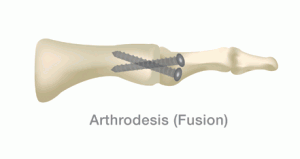
    healing of osteotomies (which is when your surgeon cuts your bone to put it in a different position) and joint fusions which is when your surgeon takes two bones and fuses them together by removing the cartilage and locking the bones together such as an ankle fusion or a first metatarsophalangeal joint fusion)

    Things that can slow down bone healing are number one being a smoker. Your age can affect your healing rate. Diabtetes and anemia and osteoperosis can slow healing. And taking NSAIDS such as Motrin Advil , Aleve, Ibuprofen and Naprosen. In a future post we will discuss how to speed up bone healing in bone fractures.  As always email me with any questions.


  • Mobilegs Ergonomic crutches

    Mobilegs Ergonomic crutches

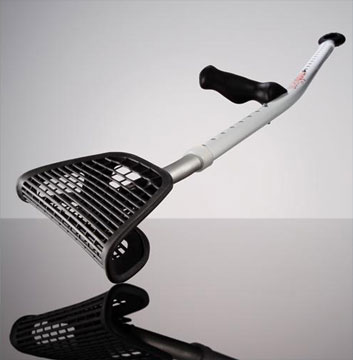
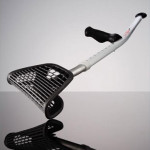
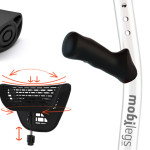
    It’s time to change the way we think of traditional crutches. In this day and age injuries that require crutches have to be re-imagined for patient care, compliance, comfort level and safety. We welcome Mobilegs – Ergonomic Crutches that deliver comfort and stability. The unique design, comfortable feel and spring assisted performance is what sets this crutch apart from the rest.

    Standing with Mobilegs

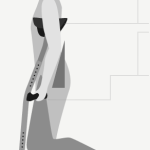
    The handgrips face the rear side and point towards the outward position. The bend located in the shaft will be facing to the front and flows with the natural curves of the hips which is slightly away from the hips.

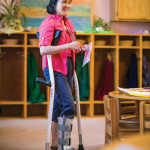
    The tripod position is the position you start to walk in using Mobilelegs. To begin in this position, you place the crutches to the front side of each foot about 4” to 6” inches away. Then stand on the better foot, placing most of your weight on the better foot. It is going to be a little bit of process, doing this for the first time. As with learning anything, but once done, you will see what a breeze; and how successful it is to walk using the spring-assisted crutches by Mobilegs.

    Here at the Advanced Foot And Ankle Center Of San Diego we have been giving our patients Mobilegs for use for injuries such as fractures and bad sprains as well as for use after surgeries that require being off their feet for a few weeks. Our patients have loved the ease of use and the ability for them to be able to get around and continue their life as normal.  They are impressed with the comfort and ease of use as well as less soreness in their arms and shoulders that people usually get with conventional crutches. At our center we care about every little detail to help in your recovery all the way down to the crutches.

  • Ankle Fractures immediate weight bearing

    Ankle Fractures immediate weight bearing

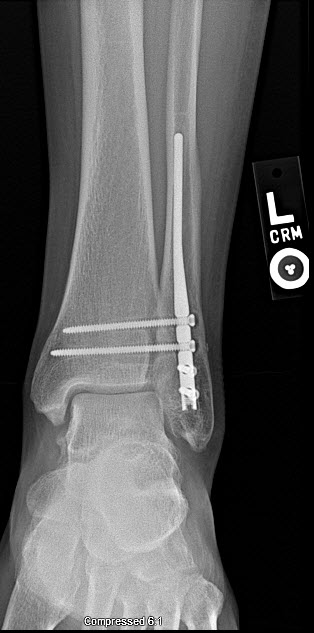
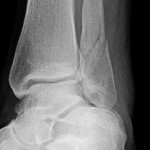
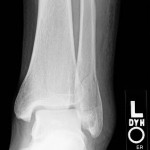
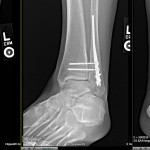
    Ankle fractures immediate weight bearing. Have you suffered an ankle fracture and have been told you need to be off your foot and ankle for the next eight to twelve weeks. Have you been told you will need surgery with plates and screws. Make sure to ask your surgeon if you are a candidate for the minimally invasive method for fixing ankle fractures that allow you to fully weight bear on that ankle within a week. Here at the Advanced Foot and Ankle Center of San Diego we use the most innovative techniques that allow you to get back to full activity as soon as possible. using the mini intramedulary rodding technique via 3 poke hole incisions we insert the mini rod that you see in the picture above and stabilize the fracture. This method gives a stable construct that allows you to walk on your ankle within five days of the surgery. Also as opposed to plating and multiple screws which require four to seven inch incisions our method can be done with three to four poke hole incisions and you have 3 stitches instead of twenty.

    Where this really makes a big difference is by diabetics, smokers and the elderly especially with osteoporosis. This is a group of patients that pose high risks to either big incisions, delayed bone healing and not being safe to be off their feet for long periods of time. Diabetics who are at high risk for infections and breakdown of their incisions benefit highly because this reduces those risks. The worse thing is treating a diabetic ankle fracture and ending up with an open wound and seeing the plate and screw two weeks later. This procedure greatly minimizes that possibility. Also there is a lower rate of non unions of the ankle fracture when using this technique in smokers. Lastly if you know an elderly relative with an ankle fracture you know how difficult it is to be off their ankle for an extended period of time , then this is the best treatment for them.

    Feel free to contact me with any questions. The above pictures are x rays from surgeries performed by Dr Wrotslavsky

  • Foot Pain In Children Is Not Normal

    Foot pain in children is not normal.  We are always concerned about our children and want the best for them. How do you know if they have pain that it should be looked at. By who should it be looked at, is another important question. There are many reasons a child can have foot pain, they may have injured themselves during sports or they may not like participating in sports because their feet and ankles always hurt. Do you find your child constantly tripping are you concerned that your child is always walking on their toes. Does your child constantly get ingrown toenails. Are there growths on the skin of your child on the bottom of their feet. These are all good reasons to have your child looked at. Sometimes it could be something as simple as a sprain but sometimes it could require an x ray because there is a concern for a tarsal coalition, which is a condition where their bones do not separate and two or more bones in the feet are stuck together not allowing the proper motion in the foot. These are serious issues that if not addressed can lead to a child not wanting to be active and not participating  in sports and general activities . The reason one needs to be concerned about ones child activity levels is because an inactive child can lead to unhealthy weight gain. That can predispose them to diabetes and heart disease and all the diseases that are associated with  being overweight. In future blog posts we will discuss specific conditions and specific treatments available to keep your child’s feet healthy. in particular we will discuss the role of orthotics and custom orthotics and how they can stop pain and prevent injury. Also a common question parent have is when does flatfoot require surgery . Feel free to contact me with any questions.

  • Amniotic membrane injections for Plantar fasciitis and heel pain

    So you have heel pain and you have tried everything such as stretching injections night splints physical therapy and even expensive custom molded orthotics. What to do? Now your doctor is recommending surgery and you cant afford to take time off from work. And you are just not interested in surgery. Great news there is now a solution that can solve your problem.  Placenta tissue. Whaaaat? you say,  that’s gross. Well not really there are studies that show it works . I have  have used  placenta tissue otherwise known as amniotic membrane with great results in my practice for wound healing and tendon and ligament inflammation. I will save the wound healing for another blog , but it works great for foot ulcers. So how does it work?

    First of all one of things to note about plantar fasciitis is that it is not fully an inflammatory disease. There are many studies that show it is a degenerative process, meaning the tendon/ fascia. That is why people have done well with platelet rich plasma injections also known as PRP injections and also coblation therapy (see my paper- Wrotslavsky poster Coblation ). These are methods that address the degenerative process of the tendon and helps regrow the micro circulation at the painful site.

    Amniotic tissue has been used in therapy for over 100 years in burn treatments ulcers and multiple surgeries of the eye. The way it works is by reducing inflammation and enhancing soft tissue healing. There are many growth factors in amniotic tissue such as EGF, TGF, FGF that help stimulate epithilial cell growth and migration and can grow skin in ulcers and wounds. There is also present PDGF A and B which help the growth of  collagen , fibroblasts and smooth muscle cells.

    The reason why this is becoming a treatment of choice for plantar fasciitis and other tendon and ligament injuries of the foot is that as opposed to PRP which requires your blood to be drawn or as opposed to coblation therapy the requires a trip to the operating room, Amniotic tissue comes in a liquefied form that can simply be injected into the affected site the same way one gets a steroid injection. This is a very exciting time in treatment of sports injuries email me with any questions drphilipw@sdfootdoc.com .

  • San Diego Chargers foot and ankle injury report for AFC divisional game Chargers Vs. Denver

    San Diego Chargers foot and ankle injury report for AFC divisional game Chargers Vs. Denver. Here comes the big AFC divisional playoff game this Sunday San Diego Chargers Vs. Denver Broncos in Denver. The Chargers have four players with ankle injuries and one with a toe injury. Unfortunately we don’t know what exactly is injured because ankle injuries can take on many forms as well with the toe. You can have a sprain a strain or a partial tear or a total tear. The ankle is supported by multiple ligaments all around the ankle as well as going up the leg there are ligaments supporting the ankle. Ryan Mathews , D.J. Fluker, Kendel Reyes and King Dunlap have the ankle injuries and Eddie Royal is listed with a toe injury. The current rehab allows players to play with the injury however their practice time is limited. Ryan Mathews has not practiced yet this week which is worrisome as to weather he will be able to play Sunday. The others participated in limited practice today.

    The concern with playing on an injured ankle is as follows. A sprain can turn into a tear. Besides the pain involved the player can not run and cut at full speed as they are used to. One has to consider long term you can create lateral ankle instability, where you always feel your ankle going out on you. If that is the case there are some braces that can be worn to stabilize the ankle but they do not work well while playing. If ones ankle is unstable then surgery is a viable option to correct the instability. One common procedure that I perform is the modified brodstrum procedure to tighten down the outside ligaments of the ankle. there are some great instrumentation that allow this procedure to be done with minimal incision and 4-6 week recovery time.

    Feel free to email me with any questions of you feel you are a candidate for this procedure.